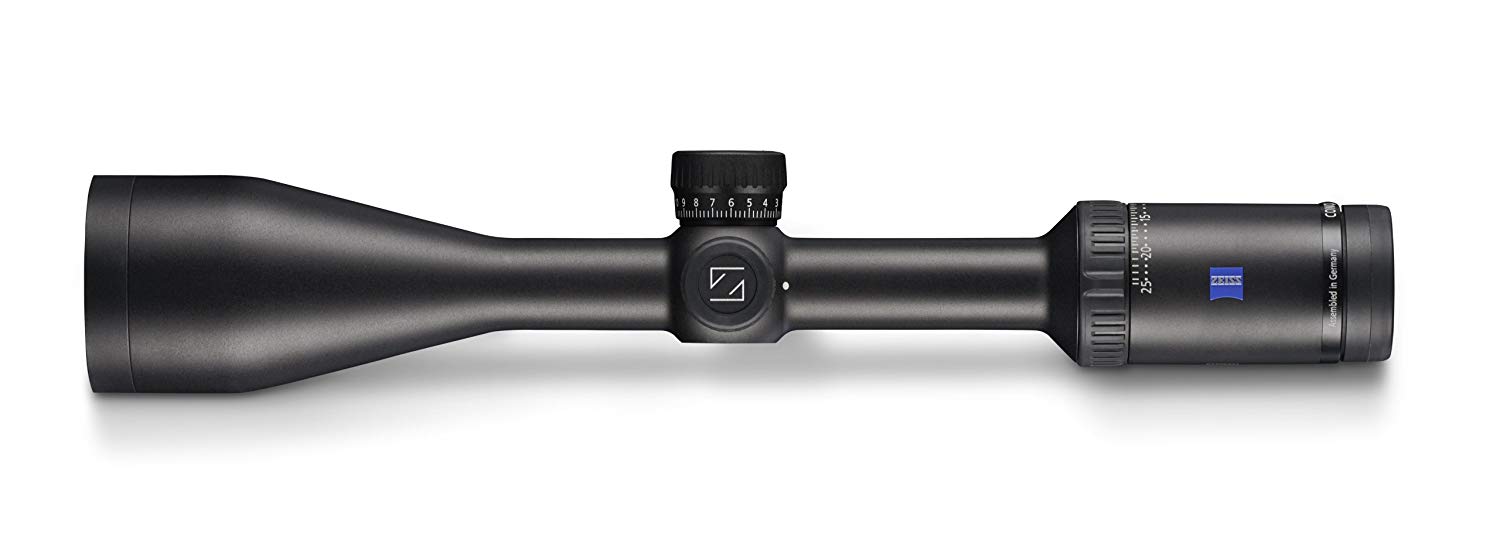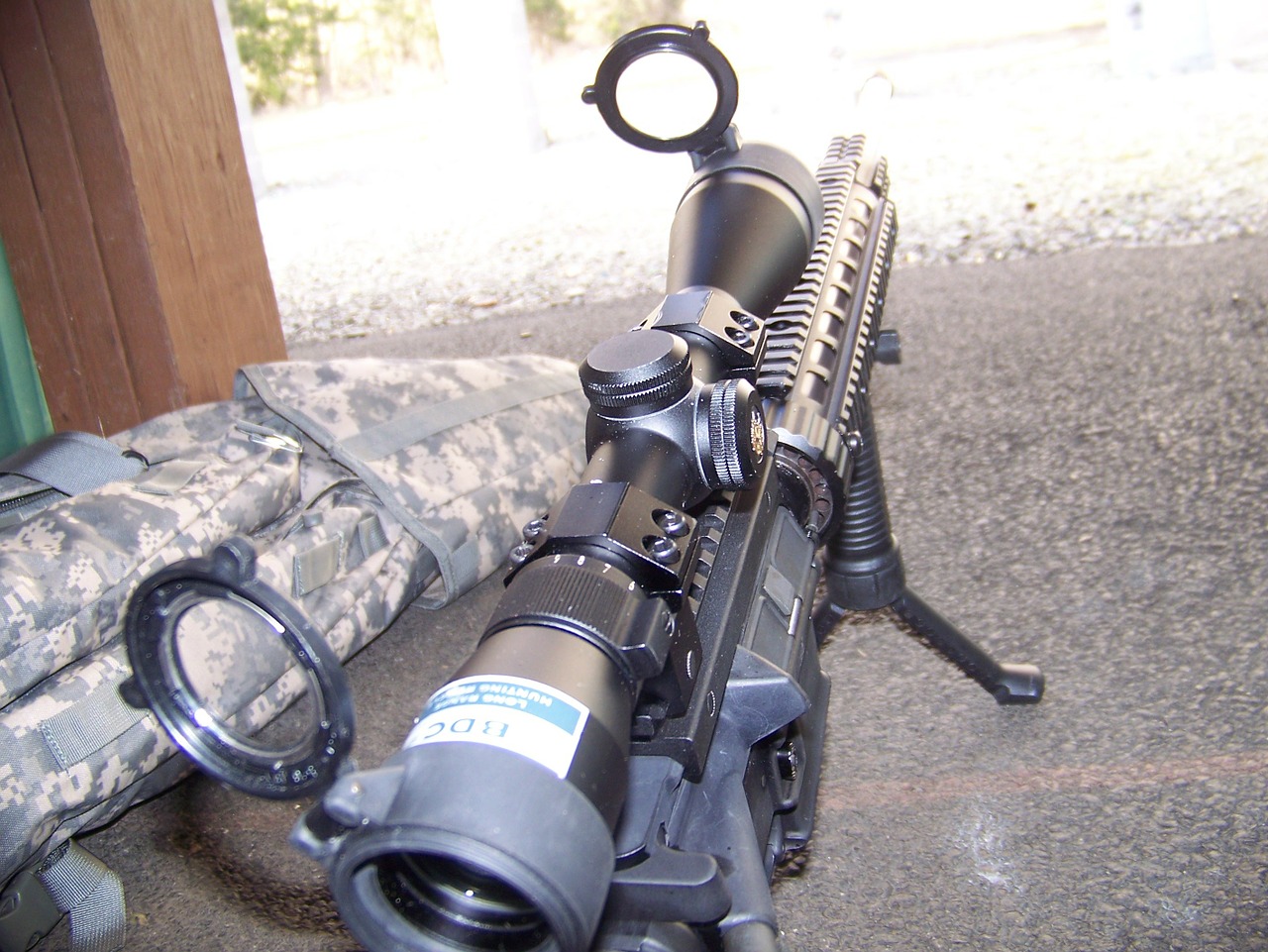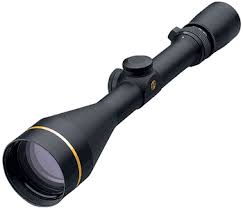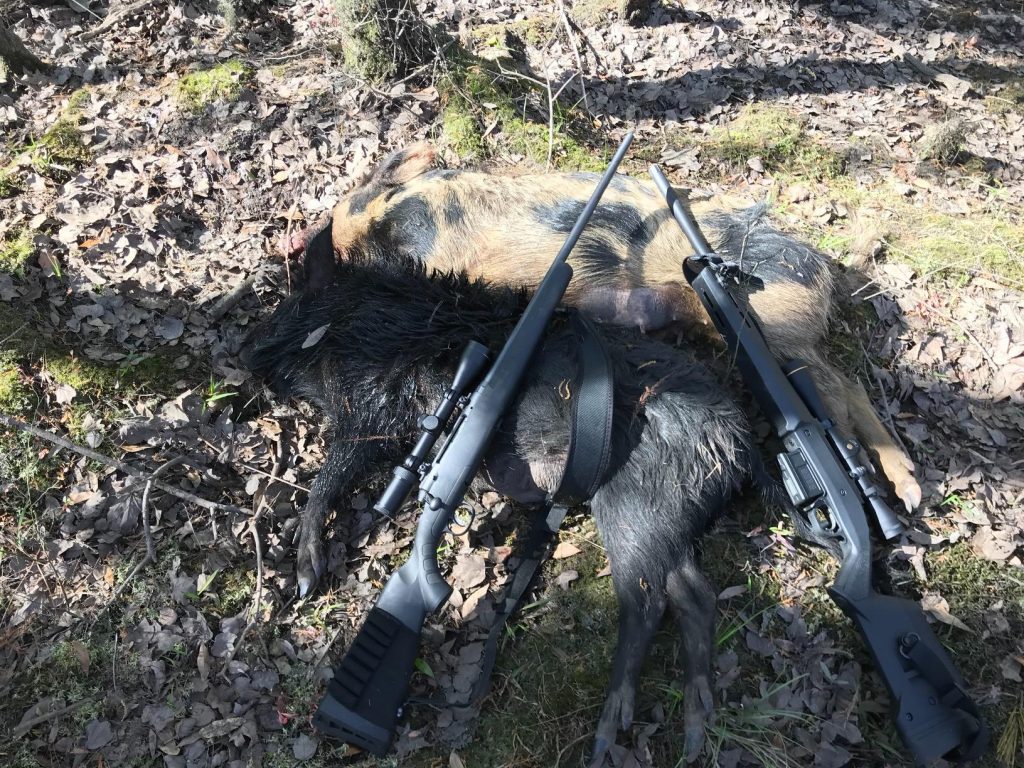
Leupold VX2 3-9×40 Review: Is This Worth Purchasing?

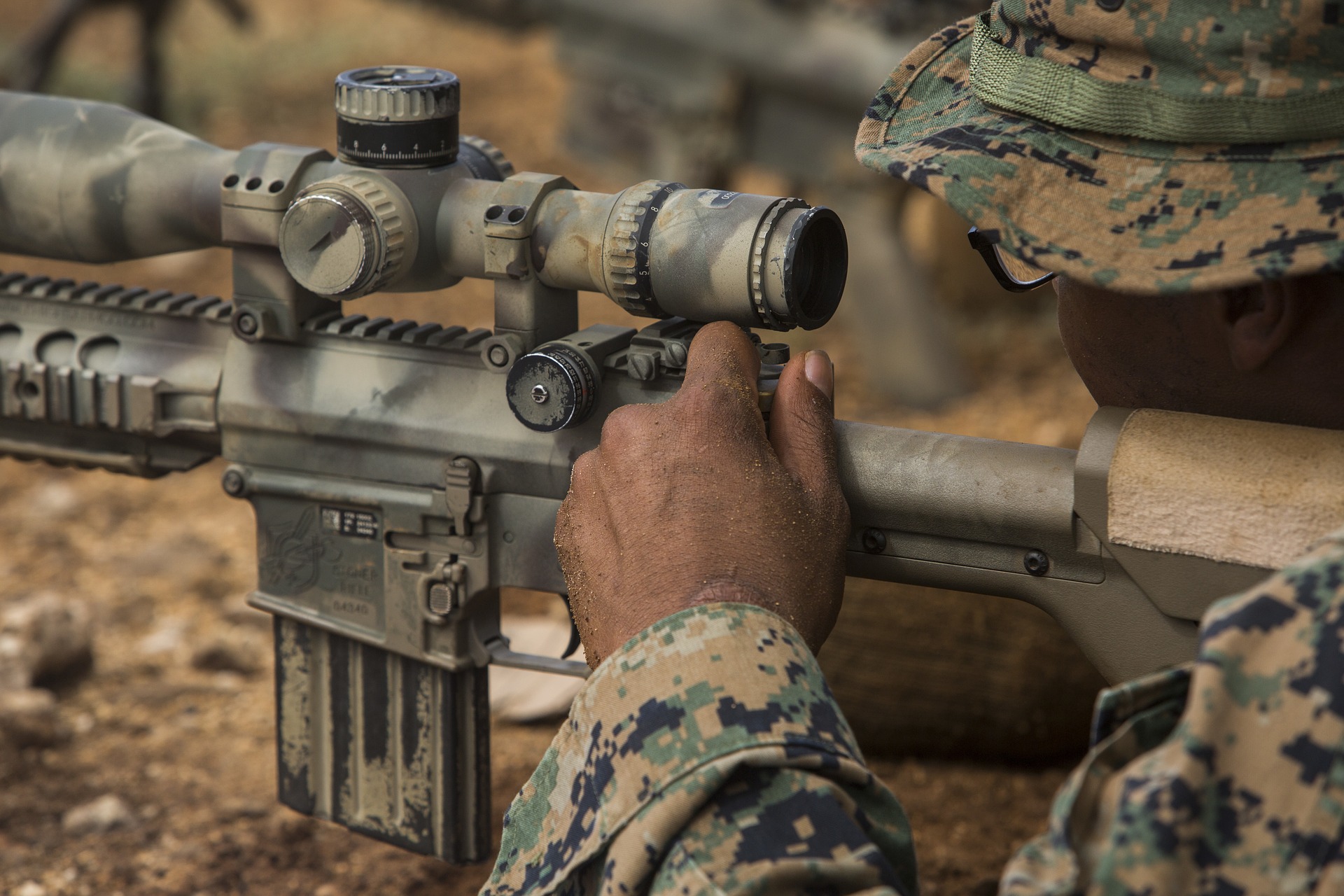
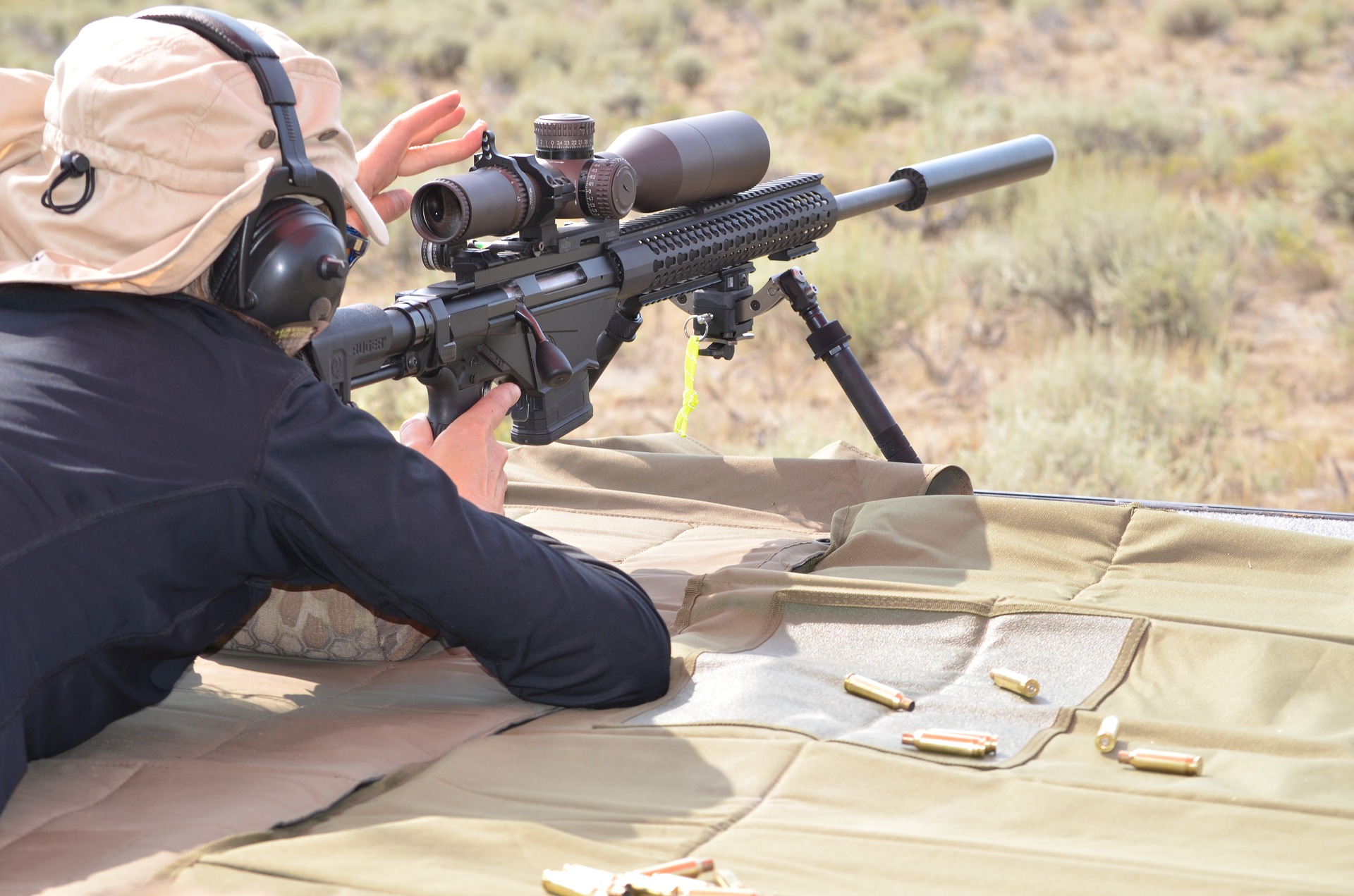
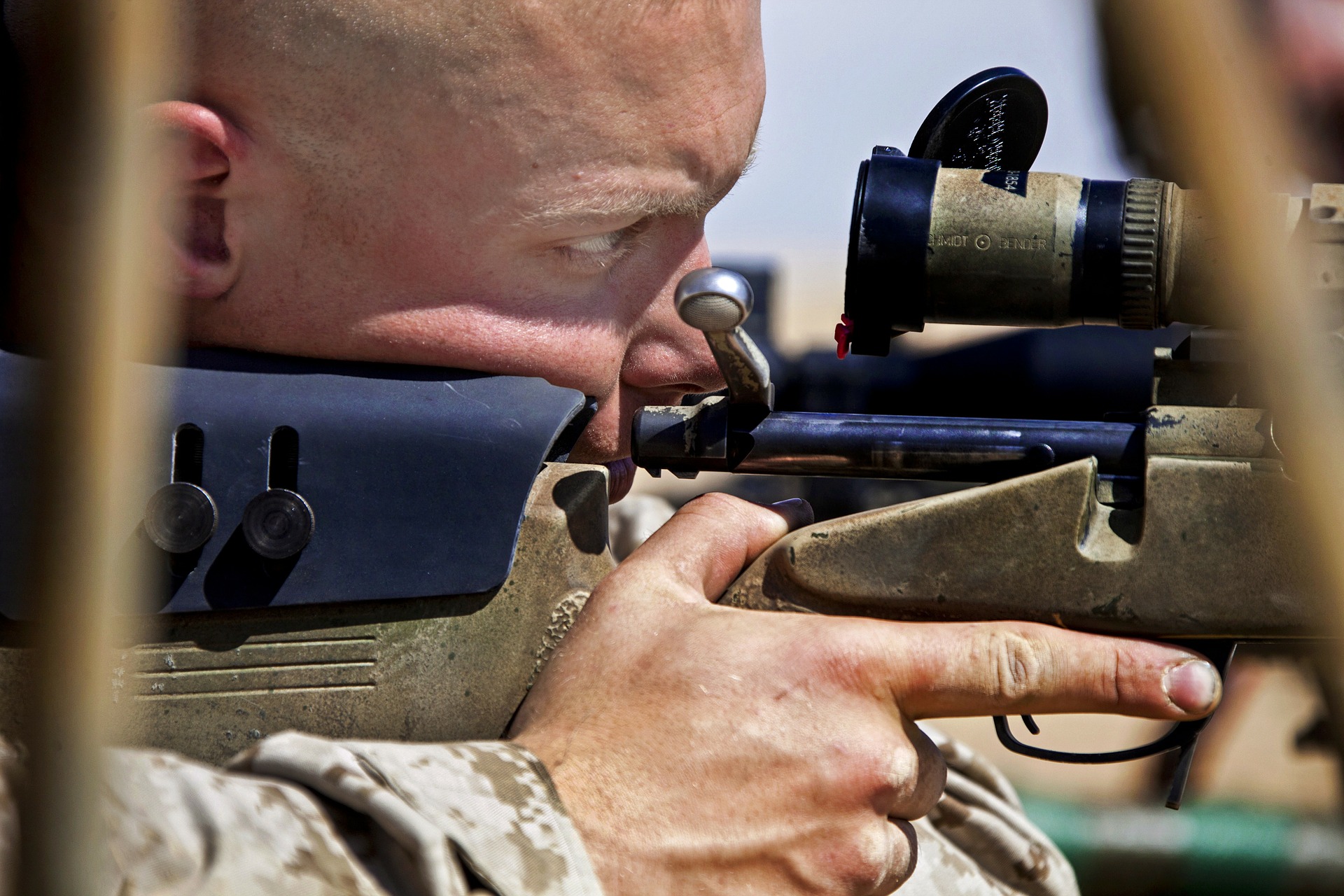
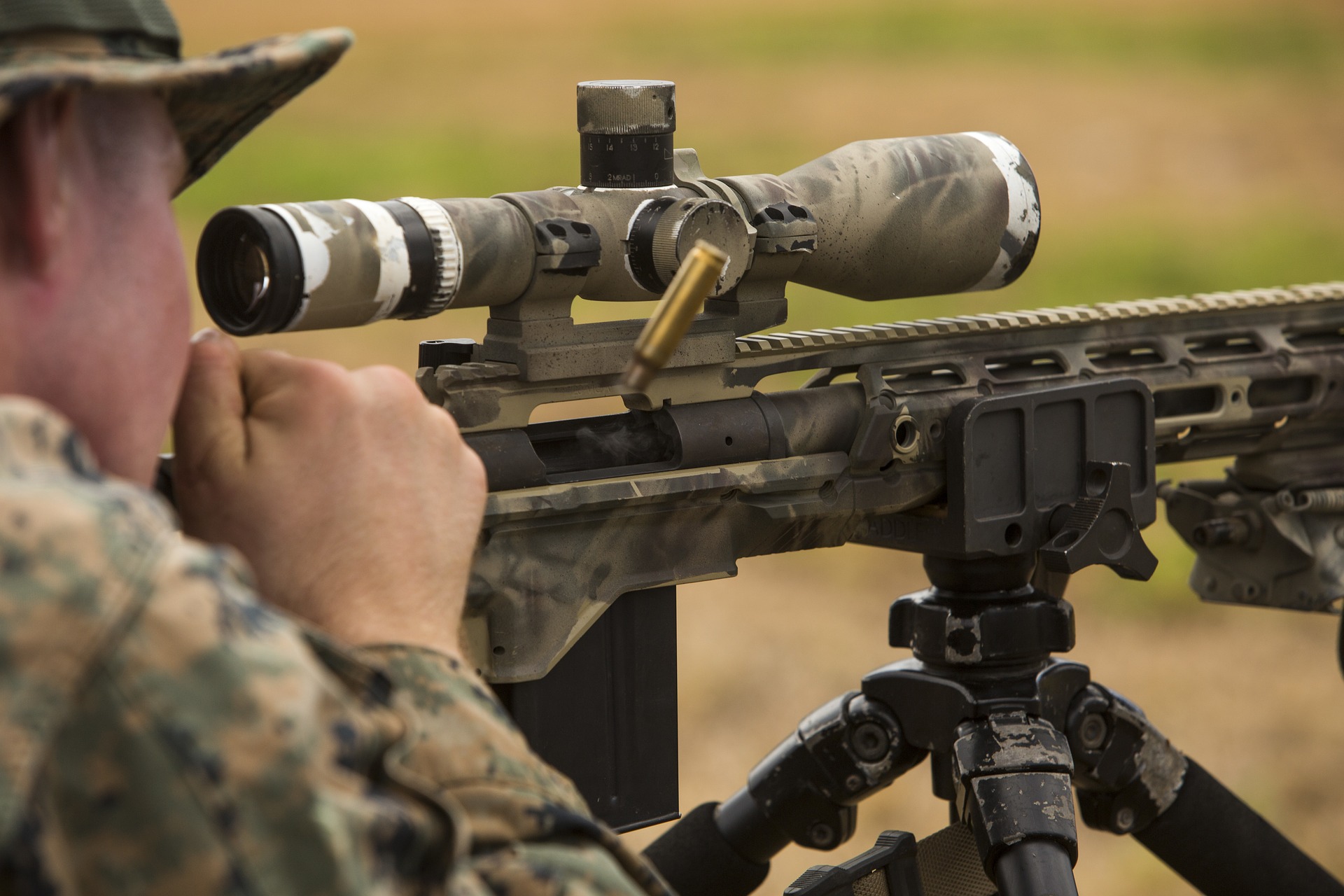
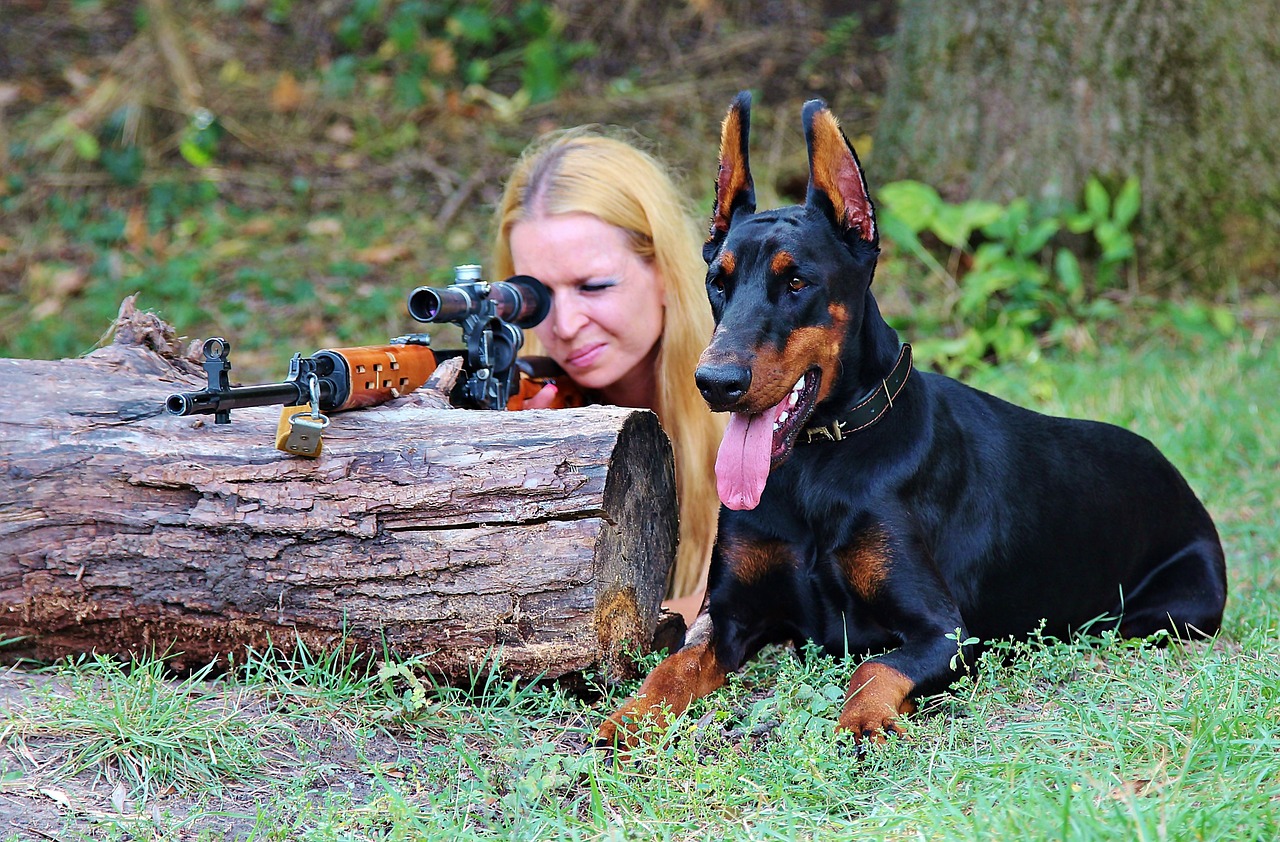
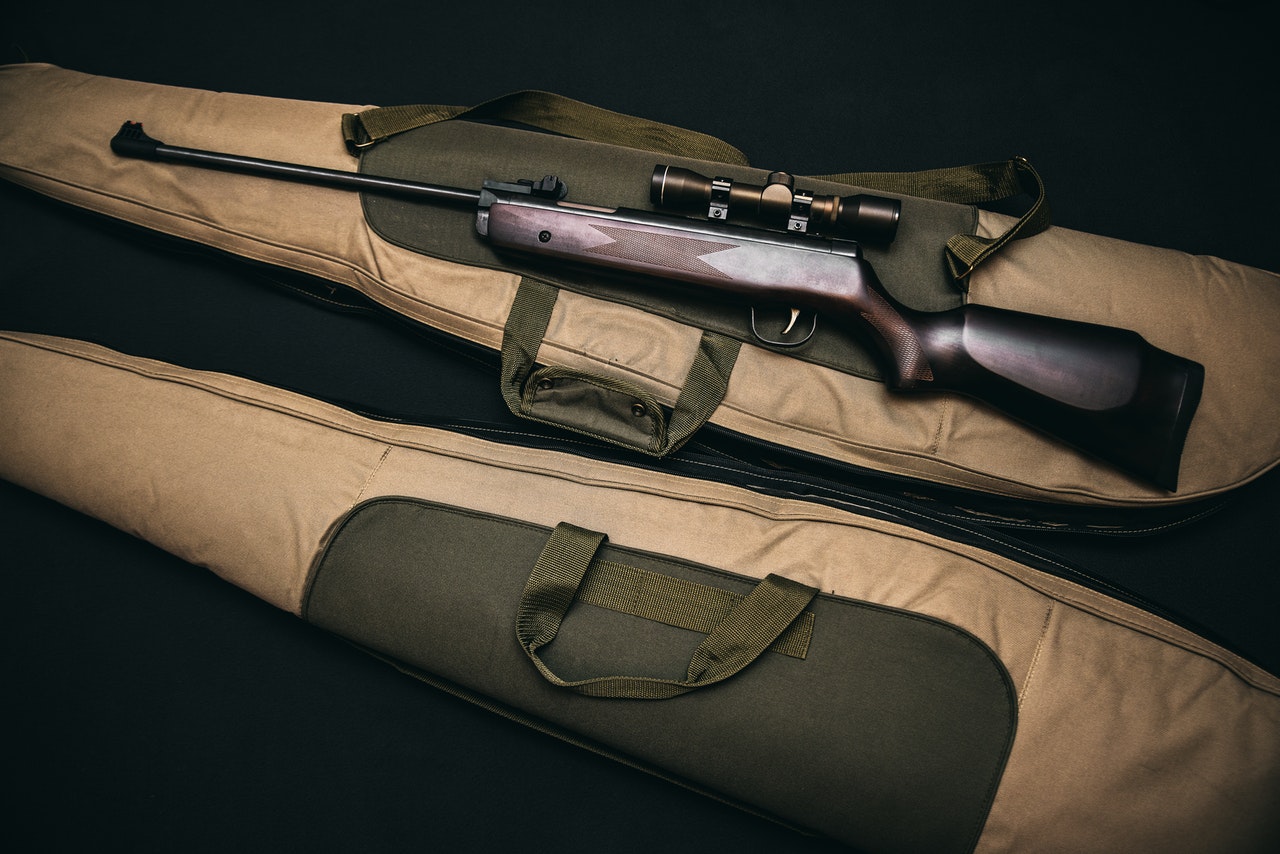
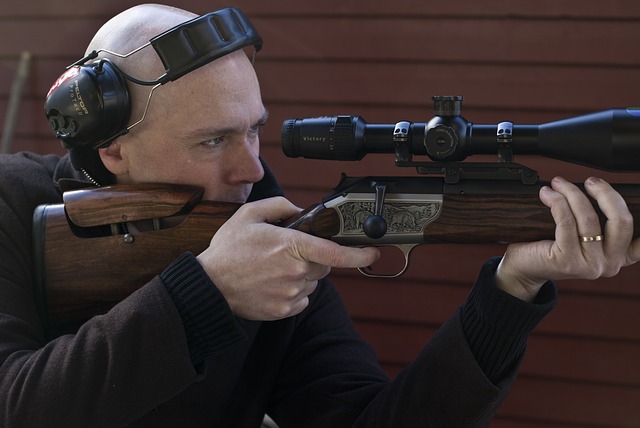
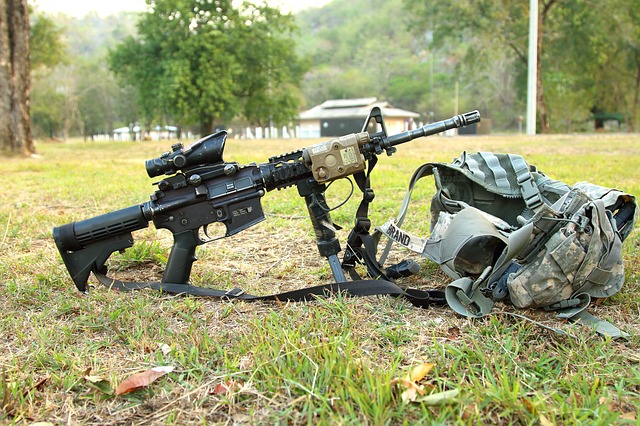
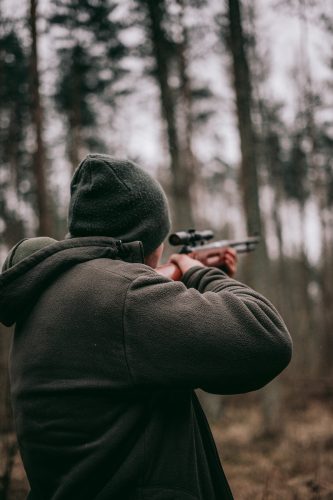
leupold vx2 3-9x40 review - the scope installed on a rifle and shotgun

Whether you’re a novice hunter who’s just getting started or an expert sportsman with a trophy room that would make Daniel Boone green with envy, you’re only as good as your optics! Choosing the right scope is a vital step in planning the perfect hunting trip or competitive shoot. Our Leupold VX2 3-9×40 review compares and contrasts the VX2 with several other popular offerings on the market today.

[amazon box= “B00SBPJT76,B07KCDXB9D,B005UGIMNQ,B00784RRNY” template=”table”]

In order to help you make the best choice, we’ve compared these models using five criteria: price, ease-of-use, accuracy, durability and warranty terms.

What Is the Leupold VX2 3-9×40?

The Leupold VX2 3-9×40 is a popular mid-range rifle scope with hunters and competitive rifle shooters. The Leupold family has been manufacturing rifle scopes for five generations, ever since Marcus Leupold – one of the company’s founders – was unable to bag a deer on a hunting trip after his rifle scope fogged up. Since then, the Leupold name has become synonymous with no-frills, reliable, well-built optics that provide good value for the money.
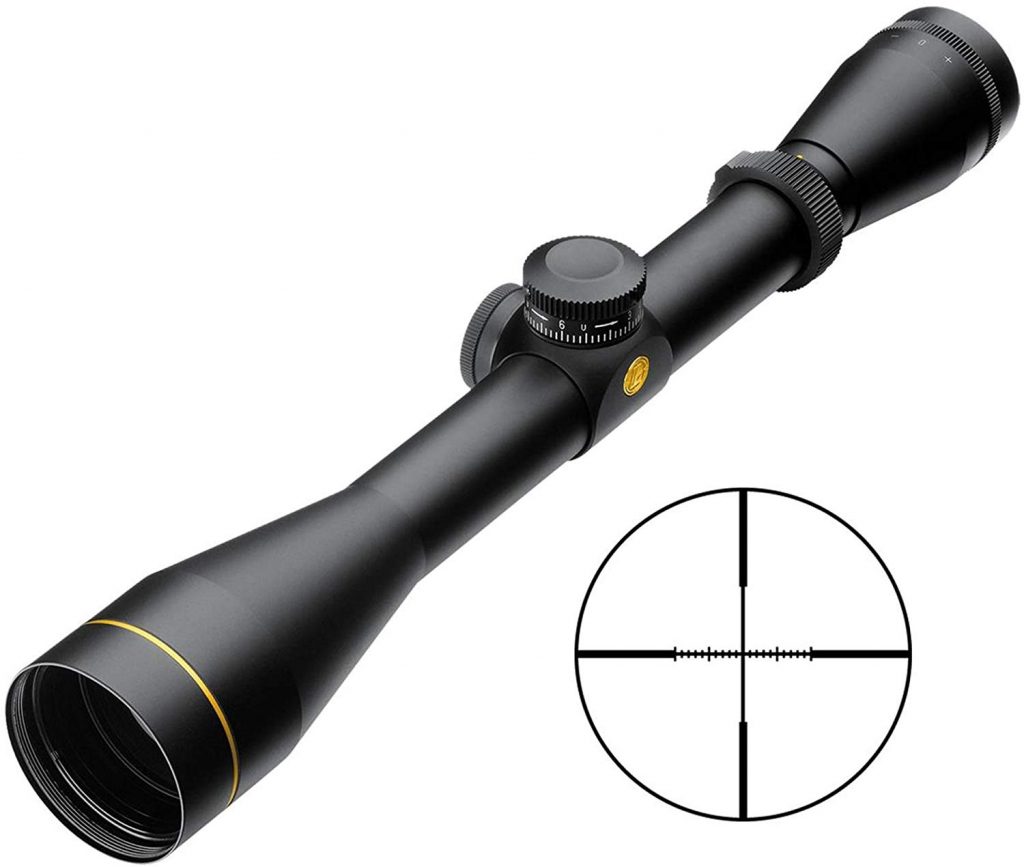
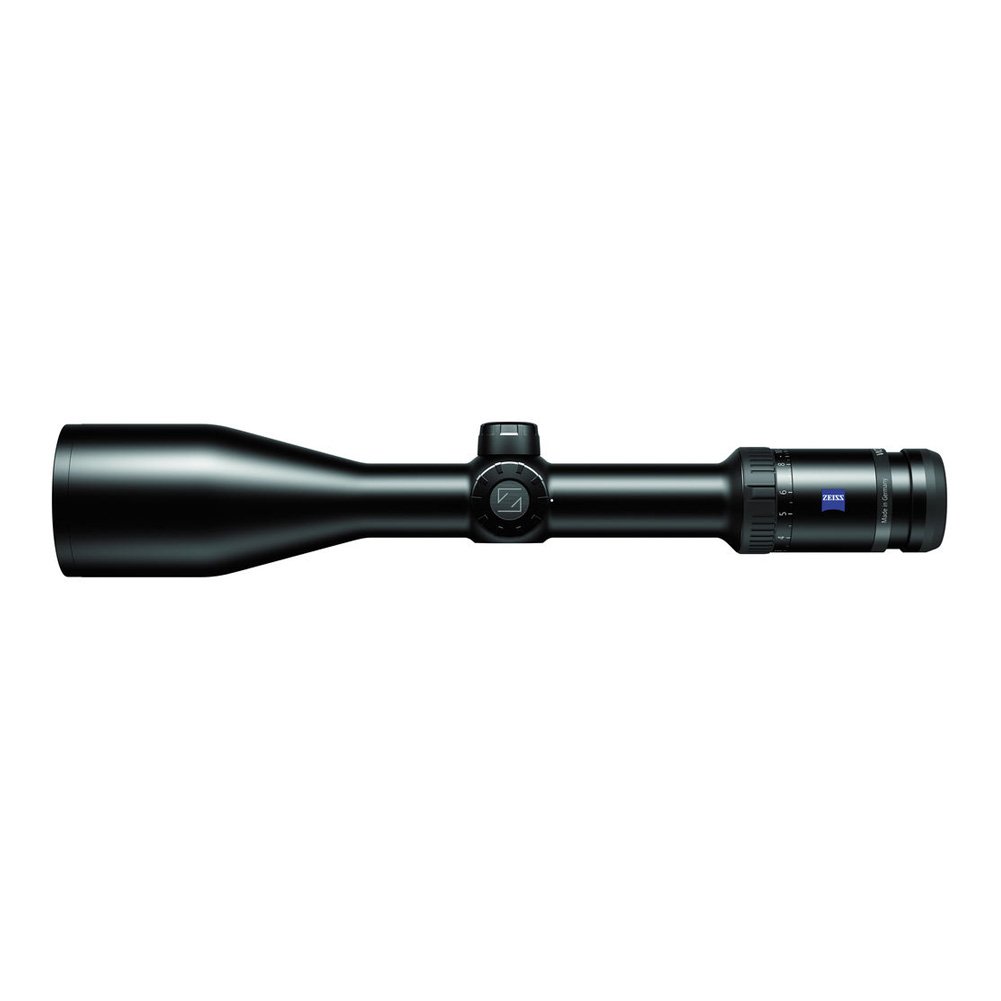
Leupold VX2

Image from Amazon

Customers choose Leupold for their reliable, easy-to-use, versatile product offerings, and their award-winning customer service. The Leupold VX2 3-9×40 is one of their most popular offerings, and thousands of happy Leupold customers pay credit to their consistently high-quality builds and reliable performance after a successful deer season.

Leupold VX2 3-9×40 Review: Specs

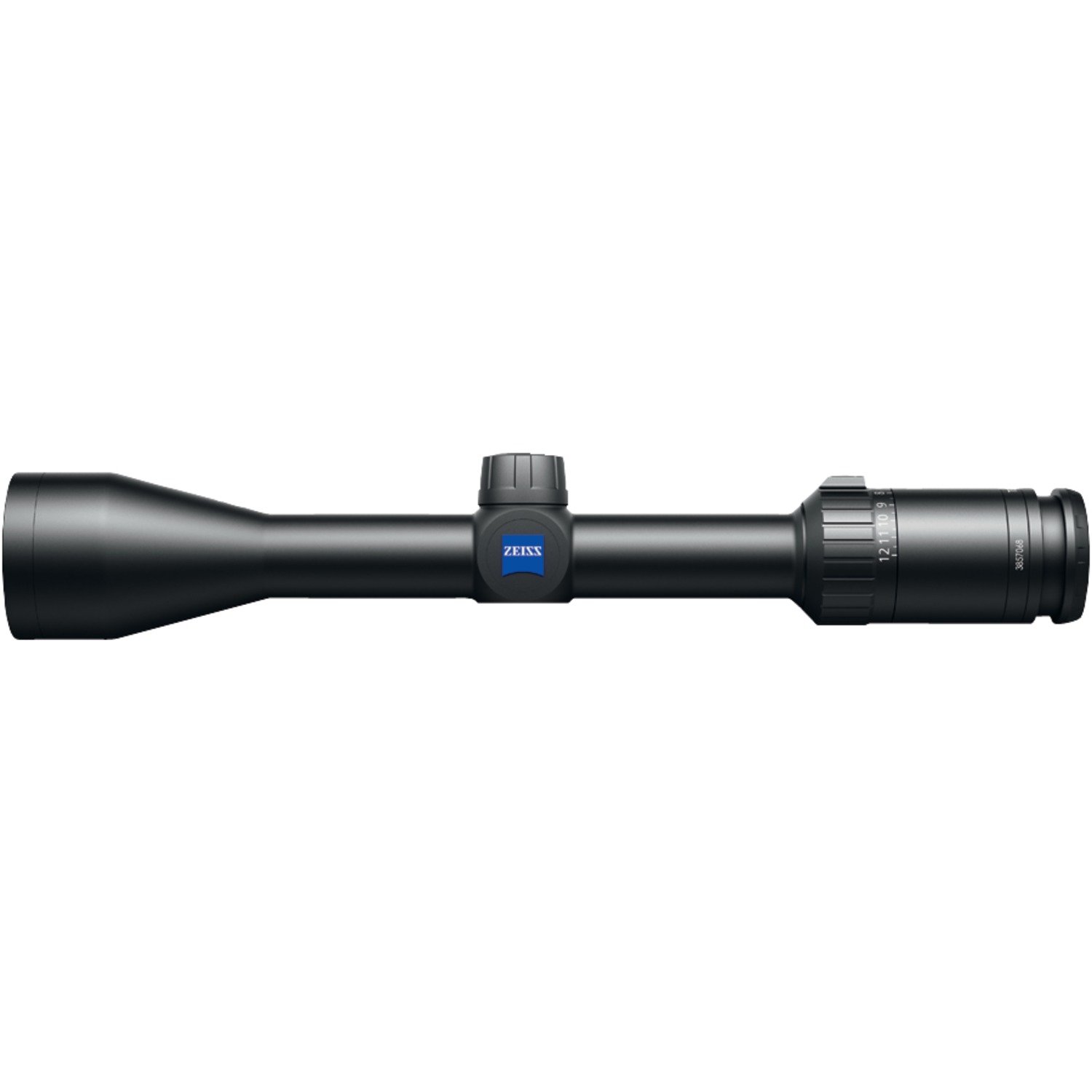
Leupold VX

Image from Amazon

The Leupold VX2 3-9×40 is a good choice for anyone who’s in the market for a good all-round hunting scope. Leupold’s Index Matched Lens System maximizes light transmission, which improves image quality. Additionally, Leupold customizes the lens coatings for each individual scope that leaves their factory, further improving sharpness and brightness. Exaggerated knurling on focus adjustment knobs and turrets allows for rapid adjustments, aiding in on-the-go target acquisition.

While the other offerings in our Leupold VX2 3-9×40 review use nitrogen to prevent lens-fog accumulation, Leupold uses a proprietary mixture of Argon and Krypton, further preventing the accumulation of condensation in damp environments. Finally, Leupold applies their trademark DiamondCoat protective coating to any scope that leaves their factory. This protects your lenses from abrasions even in the harshest of conditions!

Pricing


This scope provides excellent value for the money. While it’s slightly more expensive than two of the comparable offerings featured in our Leupold VX2 3-9×40 review, it’s a bargain when stacked up against premier product offerings. You can purchase it directly from the manufacturer, but the bargain-buyer can likely find it listed on Amazon.com, Ebay or MidwayUSA for a promotional price. Leupold has a track record of providing premium performance at a mid-market price point.

How It Compares

We picked a few similar products available on the market to see how they compare:

[amazon box=”B00SBPJT76″]

Ease of Use

Accuracy

Durability

Warranty

Pros

  • Top-notch image quality
  • Lightweight and durable
  • Allows for on-the-fly target acquisition
  • Excellent value given the price tag
  • Lifetime warranty and great customer service

Cons

  • No parallax
  • No sunshade included
  • Users complain that turrets feel “cheap”
  • Some report occasional problems with lens fog

[amazon box=”B07KCDXB9D”]

The stand-out feature of the Buckmasters II 3-9×40 is Nikon’s anti-reflective technology. This scope features a series of lenses coated with multiple layers of a proprietary anti-reflective blend that increases dissemination of light and reduces reflection by 92%. This produces brighter, clearer scope imagining, optimizing optics at all light levels. Higher contrast and starker colors cause the target to “pop”, making target acquisition easier.

Ease of Use

Accuracy

Durability

Warranty

Pros

  • Holds zero aim consistently
  • Optics are clear and bright
  • Waterproof
  • Users report almost no challenges with lens fog

Cons

  • Some comparable models feature sharper imaging
  • Some users report that thick crosshairs can obscure targets

[amazon box=”B005UGIMNQ”]

The BugBuster’s tube features UTG’s Emerald Coating; a proprietary formula that improves transmission of light. The scope features a mil-dot reticle for range estimation, which improves accuracy. The mil-dot allows for adjustments between 9 feet and an undefined range. UTG was one of the first manufacturers to take advantage of mil-dot scopes for range finding, and their proprietary technology makes the BugBuster extremely accurate. While competitors provide 11 aiming points, the BugBuster’s mil-dot reticle allows for 20.

Ease of Use

Accuracy

Durability

Warranty

Pros

  • Sharp optics
  • Ability to zero-in on targets very quickly
  • Holds zero when affixed to a rifle with heavy recoil
  • Excellent value for the money

Cons

  • Edges of the viewing field are distorted
  • Some users complain that the crosshairs are too thick
  • Occasionally arrives with the reticle askew

[amazon box=”B00784RRNY”]

If you know optics, you know NightForce. The NXS 5.5-22×56 is, without a doubt, the Rolls Royce of long range hunting scopes. Enthusiasts have called it the “finest offering on the market”. Superb build quality and an unrelenting commitment to excellence in the little things are the trademark of the NightForce brand.

This scope features Illuminated an illuminated, glass etched MOAR-20 MOA reticle, flawless multi-coated lenses, and a military-grade aluminum tube twice as sturdy as the other scopes featured in our Leupold VX2 3-9×40 review.

Ease of Use

Accuracy

Durability

Warranty

Pros

  • Astonishingly clear viewing field
  • Hi-Speed turret system
  • Better magnification capacity than any other product offering in our Leupold VX2 3-9×40 review
  • Rugged, durable build
  • 56mm objective lens allows for optimal clarity in dim and bright environments

Cons

  • The NSX 5.5-22×56 costs more than the other three scopes featured in our Leupold VX2 3-9×40 review combined
  • Some users complain that the thicker tube walls make the scope too heavy

Conclusion

We hope that our Leupold VX2 3-9×40 review has proved a valuable resource in your search for a new hunting scope! Overall, we have given the Leupold vs2 3-9×40 a rating of four out of five stars. When compared with the bargain brands and the premier offerings, the Leupold VX2 3-9×40 is an excellent choice for novice and intermediate sportsmen alike. Happy hunting!

Featured Image from AmazonRifle Icon made by Freepik from www.flaticon.com
Vortex Strike Fire Red Dot Scope for AR15: Why You should Buy It?

check-out-amazon

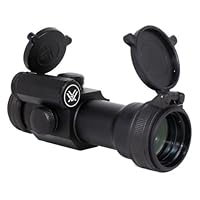
Looking for a scope to mount on your rifle? This is a review of the Vortex StrikeFire Red Dot Scope for AR15 SF-BR-AR15. Read on to find out if it is what you have been looking for. The features of this rifle scope will be listed along with its advantages and disadvantages.

The  Vortex Strike Fire Red Dot Scope for AR15 is a great scope to equip on your rifle. You should consider getting one because it offers great quality for its price. It boasts a lot of neat features that you will surely like. Read on to find out more about this rifle scope

A Few of Shops for You

[price_comparision id=”2376″]

Features And Benefits of the Vortex Strike Fire 

1. Multi-coated lenses and anti-reflective coatings

The Vortex StrikeFire Red Dot Scope for AR15 SF-BR-AR15 uses multi-coated lenses to help you increase effective light transmission. It also has anti-reflective coatings to minimize glares. This makes the rifle scope effective even in environments with [Read more…]

How to Sight in a Rifle Scope: The Ultimate Guide

If you are aspiring to be an avid rifle hunter or owner, you cannot avoid learning how to sight in a rifle scope. While some people find it easy to grasp the basic knowledge about sighting in a rifle, others find it challenging. Consistency can help you master everything related to the intricate process of sighting in a rifle.

Rifles are used in many areas with hunting as the primary use. Failing to sight your rifle scope increases your chances of missing a target. Once you have mastered how to sight in a rifle scope, everything else becomes easy. Whether you have a handgun, rifle, or shotgun, this simple guide on how to sight in a rifle scope will come in handy.

Steps to Take before Shooting

Every successful sharpshooter attained such a title by learning the basics and having the right shooting tools and equipment. If you are hoping to be accurate when shooting with a long range, you must have a rifle scope. Second, learn how to sight in a rifle scope as this influences the accuracy of your shots significantly. Even though it requires a lot of technical knowledge, there are necessary steps that anybody can follow to learn how to use a rifle scope appropriately and successfully.

[amazon box=”B07GQDD9F3,B007UT3OFC,B002JF598W” grid=“3”]

Install Your Scope Properly

Image by pixabay

Checking whether the scope is appropriately installed should be your first step before shooting. A majority of the rifles come with a mounting system. Not all scope bases can fit in any scope ring. Check whether the scope rings and mount are a perfect fit for your rifle.

Adjust the Eye Distance

Your success at shooting starts with sighting a clear image of your target. Situating your eyepiece well allows you a sharp and clear image. The distance left between your eye and the scope plays a significant role when sighting a rifle scope. You will need to tune the scope carefully to create the ideal amount of relief to your eye.

The ideal eye distance should be far enough to avoid any injuries on the eyes because of the recoil effect.

Level Up

Image by pixabay

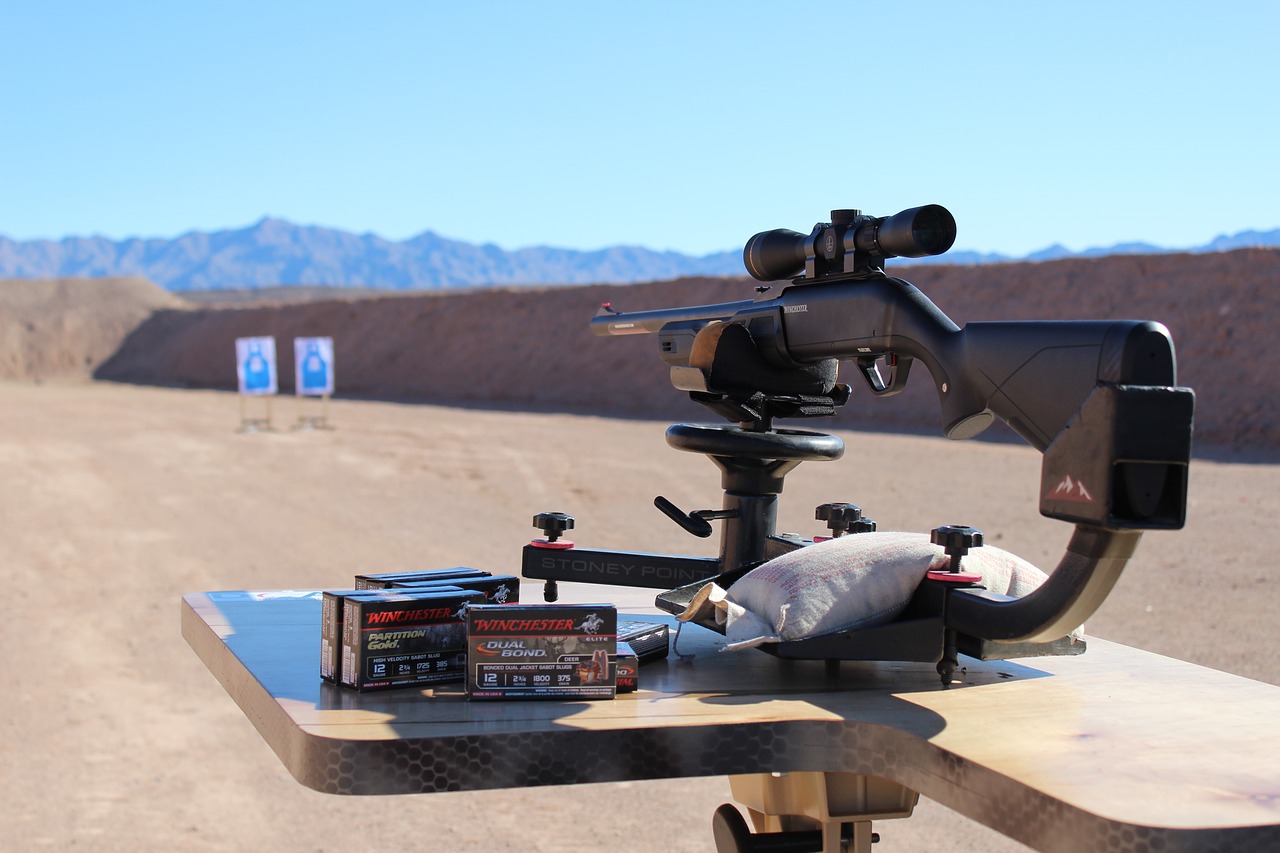
A sturdy shooting position is necessary when sighting in a rifle scope. You should use a bipod or a shooting bench that has a mount to achieve the right shooting level. While any of these methods can work well, the use of a rifle mount is much preferred since it lowers the recoil significantly. It holds the rifle securely on the target.

Different rifle mounts are available in the market. Choosing a mount that is not compatible with your rifle scope can be disastrous. Thus, you need to be careful to select a mount that works for your rifle scope.

Align the Reticle

Image by pixabay

Aligning the reticle is a critical aspect necessary when sighting in a rifle scope. However, not many shooters put this into consideration. Having a canted reticle (a case of imperfect alignment of the scope's crosshairs and the elevation direction or the windage adjustment) is costly for any shooter. It results in missed shots, especially if you are firing 250 yards away from the target.
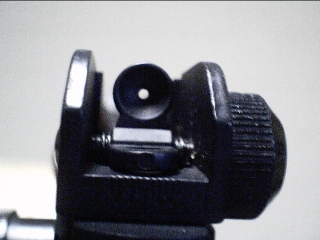
There are different ways you can align your reticle. The simplest method is to keep the scope pointed at a solid background and try to focus on an object at a distance using your eyes before you can refocus with the scope. This practice should help you determine whether the reticle is blurry or in focus. If blurry, use the diopter to adjust the scope until you achieve a focused and clear reticle.

Bore Sight Your Rifle Scope

Image by pixabay

It is advisable to bore sight a new scope after you have mounted it on a rifle before making any shots. Ensure that your gun is not loaded and that nothing obstructs the barrel. Unbolt and fit the rifle securely at a downrange pointing direction. While looking through the bore, move the rifle carefully such that the target is centered.

You can opt for a laser boresight, which is fitted on the rifle's chamber and achieves the same results–to center the reticle in the rifle's direction.

Set Your Minute of Angle (MOA)

The Minute of Angle is an important aspect to master when learning how to sight in a rifle scope. Every shooter should consider the MOA before firing a rifle. The number of clicks you turn the windage knob or the elevation determines the impact move on the bullet. For example, four clicks on the knob result in a one-inch bullet impact move.

Make three-shot groups; these help in determining whether your rifle scope is aligned correctly and whether the shots are on target. The level at which you sight in a rifle scope depends on the application. It is advisable to consider sighting at above 100 yards. It all depends on your preferences. Despite this, you should master your MOA because it helps you make the required adjustments depending on the distance and the target.

How to Sight in a Rifle Scope - Fine Tune It

Image by pixabay

It can be challenging to achieve the right focus at once. You should keep tweaking; vary the distances and refocus up to when you achieve consistent hits near the bullseye. Once you master how to focus and make on-target shots, do not relax; practice with far-away targets. However, it is necessary to remember that other factors can affect your shots. For example, the target's distance, rifle scope, and environmental factors, like the direction of the wind, determine your shot's accuracy.

Things To Do When Shooting

Pulling the trigger of any rifle discharges a firearm. While it sounds simple, it is problematic for most shooters, including experienced ones. It is important to be careful when shooting. Here are a few things to do when shooting to make sure you make safe and successful shots.

  1. Position your arm well: It is advisable to extend your arms fully when shooting. However, this does not mean that you lock them. Relax your shoulders.
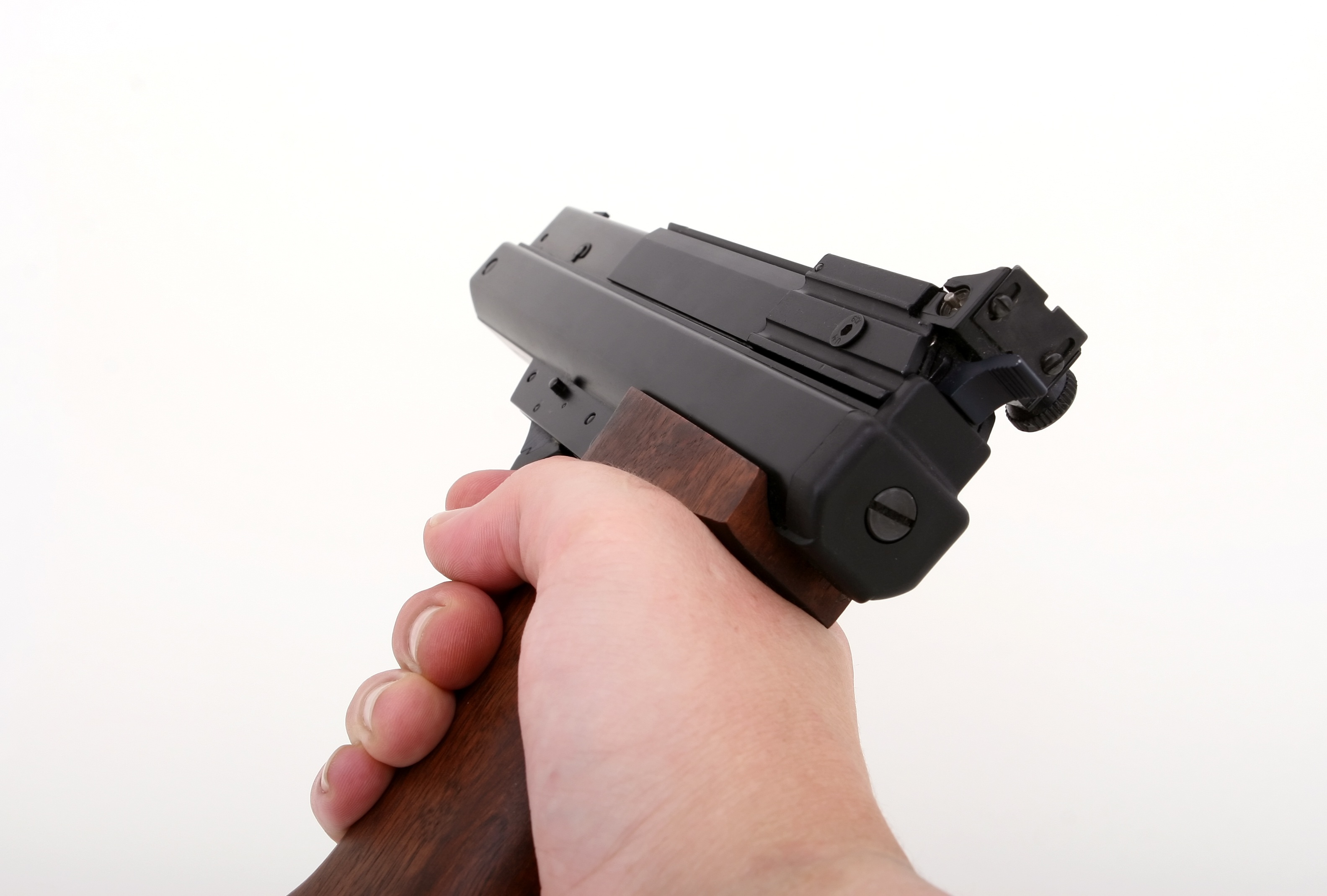
  2. Align your foot and legs: there are several approaches to position your foot and leg when shooting. You can choose the side-to-side or front-to-back positions. In case you consider the front-to-back option, ensure that you rearward the strong-hand side leg in a range of about 12–18 inches. The exact distance depends on one's strength weight and balance.
  3. If you opt for the side-to-side position, you maintain stability and a high comfort level by leaving a hip-width distance between one foot and the other. You can lock your knees or bend them a little for maximum stability.
  4. Body positioning: Ensure that your torso leans forward slightly. It is not advisable to bend backward, especially at the shoulder, hip, or waist area. Keep the shoulders at a forward position relative with the hips.
  5. Maintain a firm grip: The security of your body is paramount when shooting, and this starts with how you hold the gun. Hold your gun firmly with a proper grip.

Key Tips and Information to Remember

Every rifle hunter or owner must understand how to sight in a rifle scope. Here are a few things to remember which will be useful when sighting in a rifle scope.

  1. Often check the scope mounts for tightness. You should keep them not too tight, as this might break or even strip the screws.
  2. Always ensure that the scope is leveled. A poor or unleveled scope shoots off the paper.
  3. Do not disregard the paper. Shooting off the target is frustrating.
  4. Sight with the same ammunition. Usually, ammunitions differ in terms of their batches. For accuracy of shots, it is advisable to sight in with the same ammo as anything different can lead to inaccurate shots.
  5. A shooter accomplishes several things for a gun to fire. Your role is to pull the trigger. If you do it correctly, you will not experience any movement, and you can be assured of accurate shots. Jerking or flinching when shooting causes an off-target shot.
  6. Always ensure that you hold the gun firmly.

Conclusion

[amazon box=”B0778QYSGS”]

Every sharpshooter should learn the basics of installing and how to sight in a rifle scope. Make sure you practice regularly to gain the confidence needed in developing the right target shooting skills. Every successful shooter started by learning how to sight in a rifle scope. It takes a lot of confidence and practice to make successful long shots, as this ensures that you know what goes into aligning a rifle scope and what to do before and when shooting. It is important you master the tips highlighted above.

How successful you are at making shots depends on your accuracy in sighting in the rifle focus. Therefore, learn what mounts align with your rifle scope and establish and stick to the same batches you used when sighting. In addition, make sure you sample different rifle scopes to buy the one that matches your rifle and shooting needs.

Zooming In On Weapon Scopes And Sights To Help You Achieve A Clear Shot

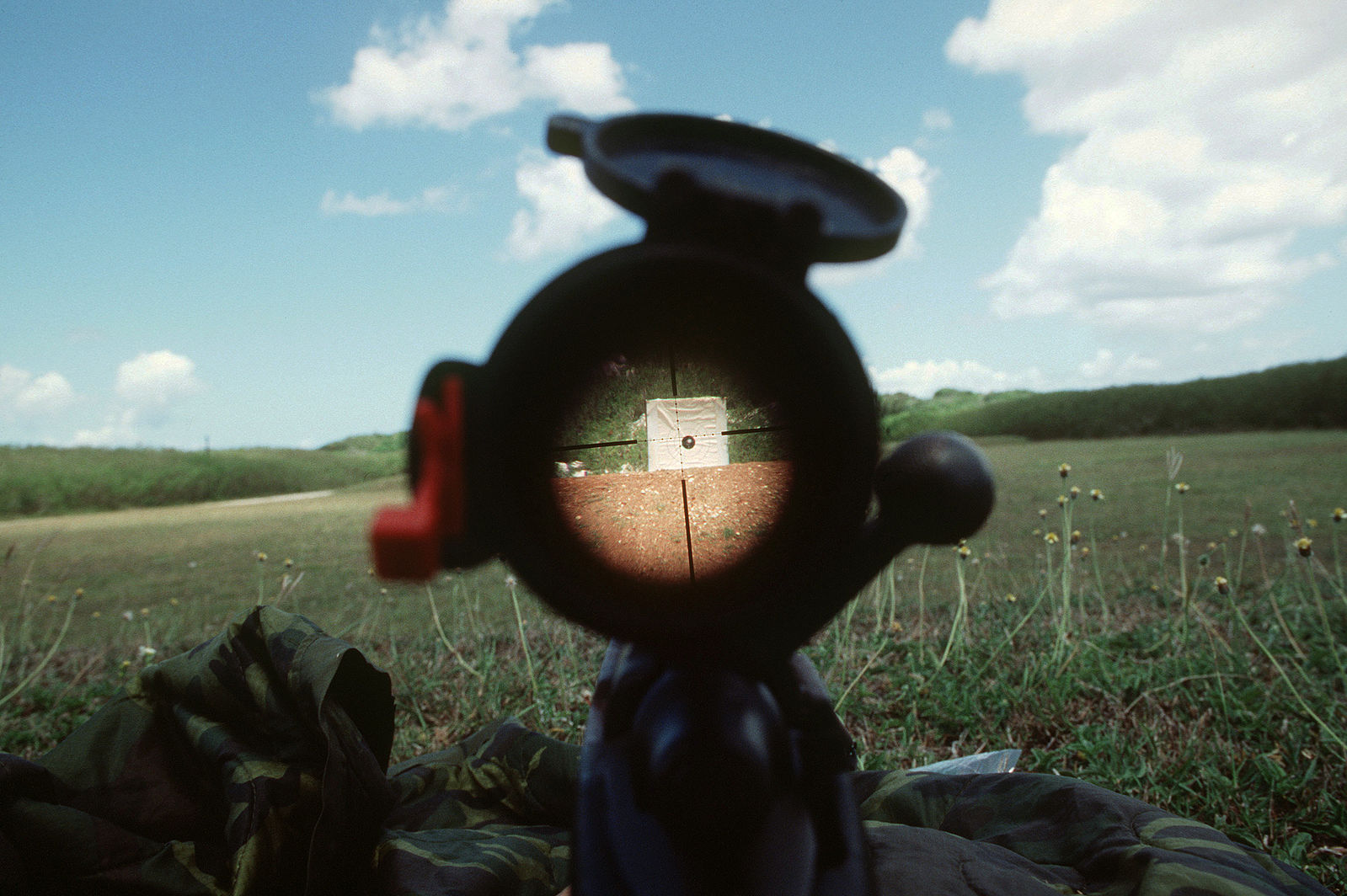
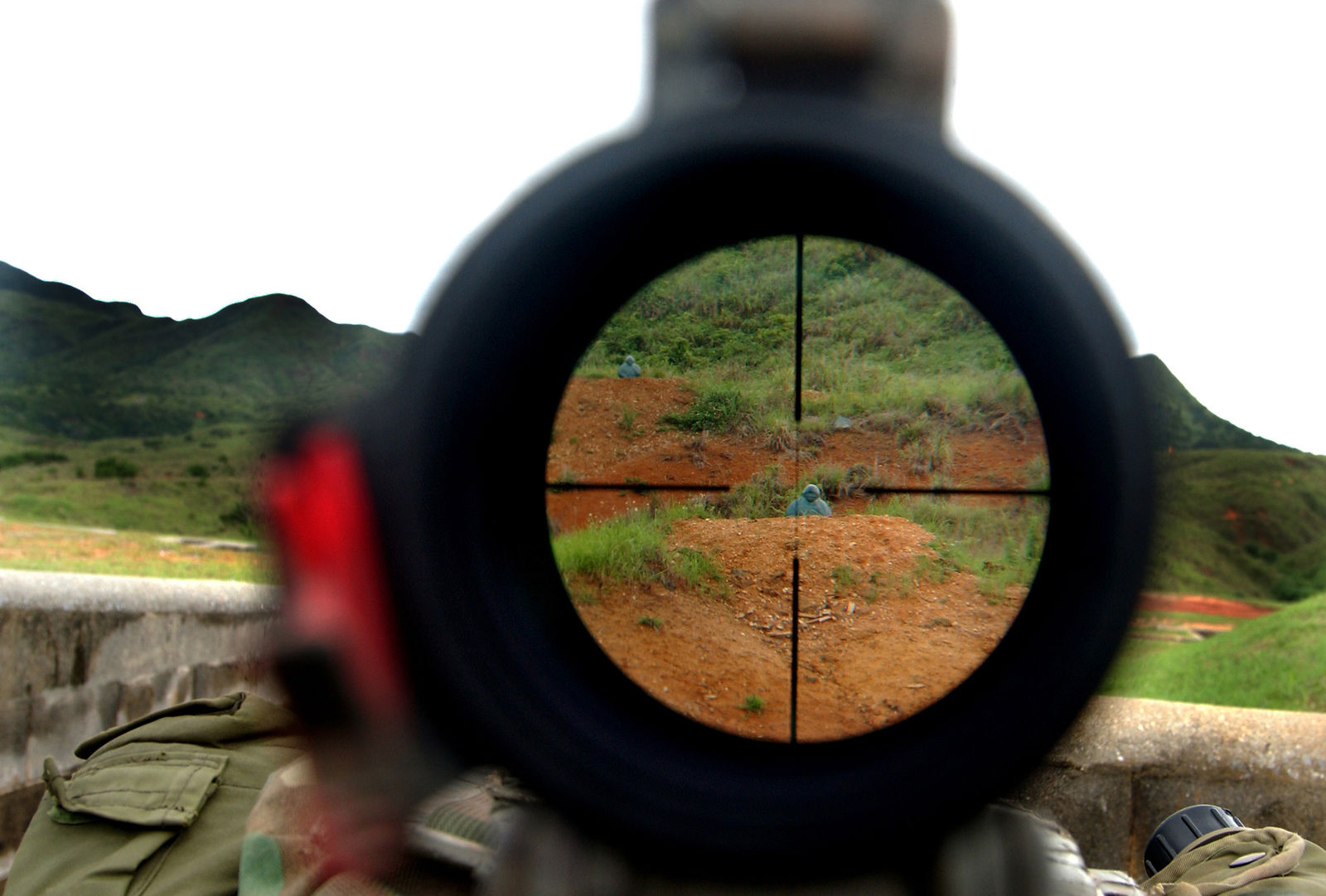
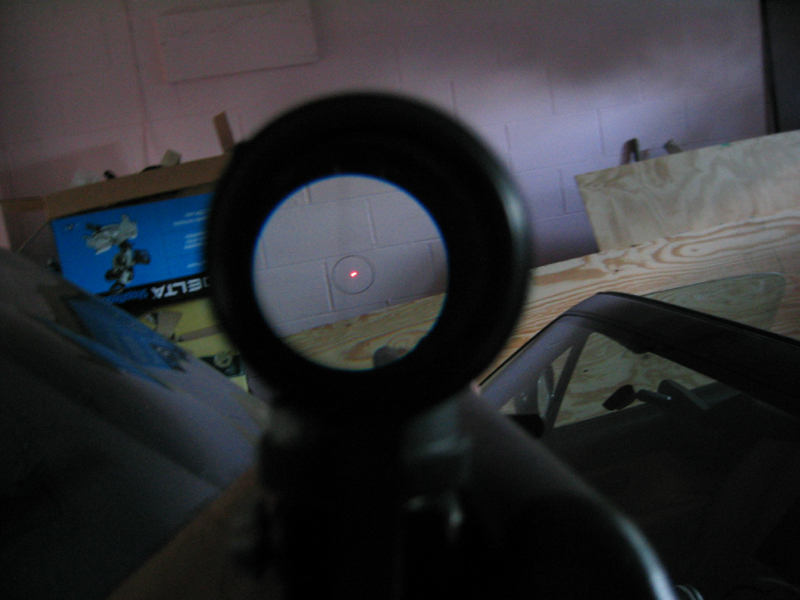
 a view from a scope

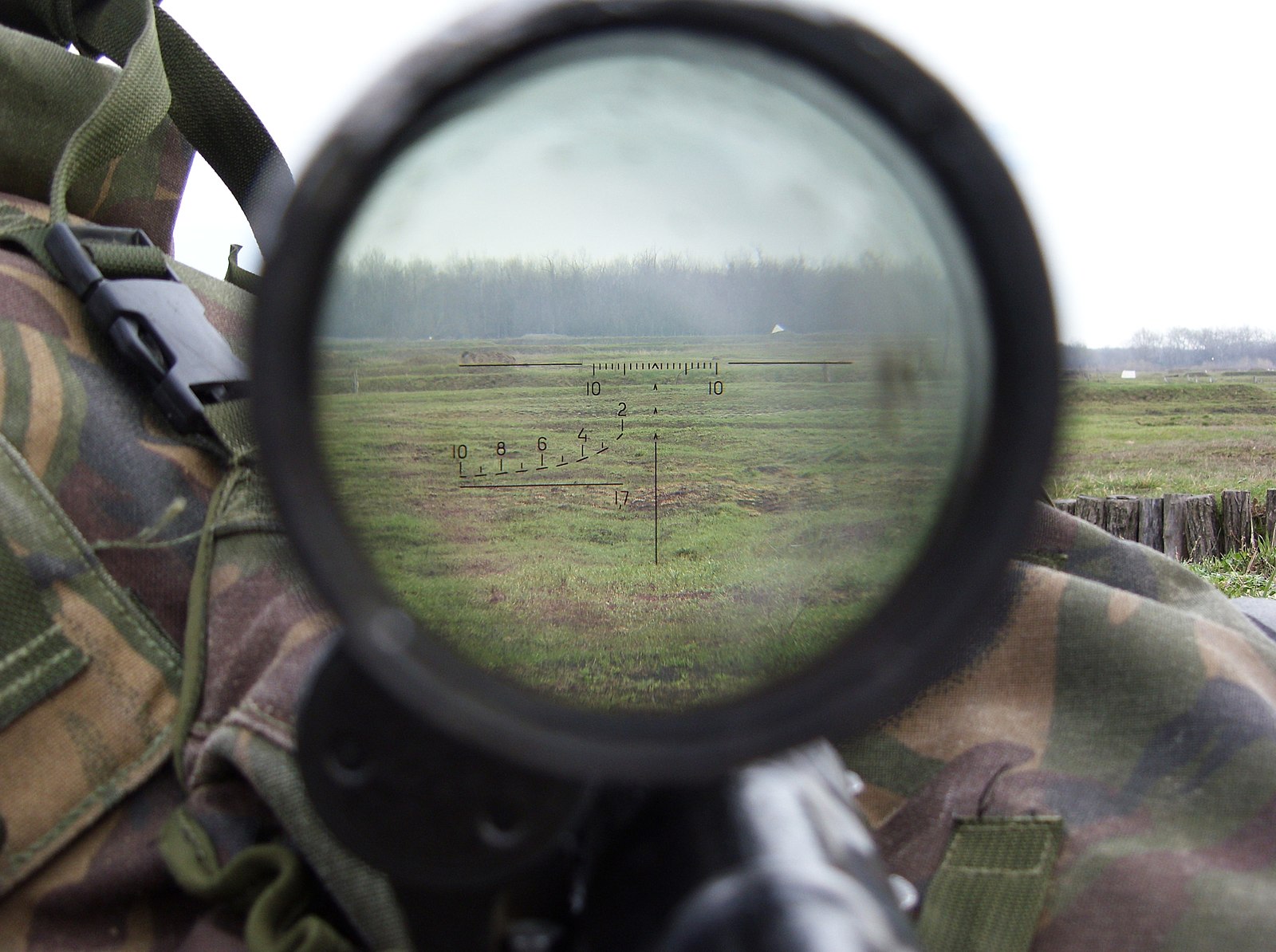
View through the scope of an M-91: Image by Heather S. Gordon

Few things are more powerful than a warrior who knows his equipment inside and out. Knowing your weapon, though, is more than just practicing how to use the gun itself. weapon scopes and sights are essential to getting the perfect shot.

These days, weapon scopes and sights are so ubiquitous that even a halfway decent video game attempts to give players an accurate representation of these essential weapon parts. Yet painfully few weapons enthusiasts actually know in detail how they work.

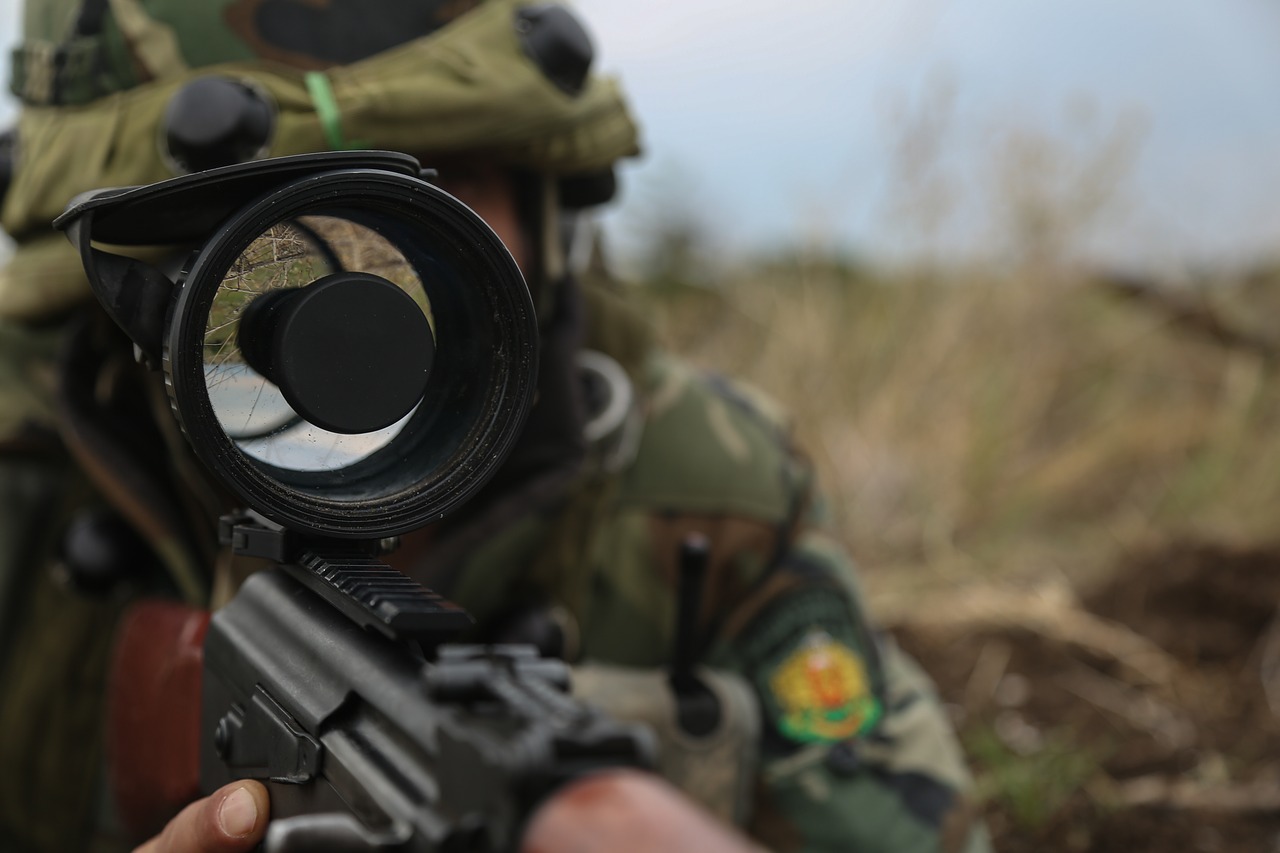
soldier using scopes and sights

Your weapon itself, and all your training and practice with it, can only get you so far. The human eye limits the range of your weapon more than the weapon itself ever could, and the right weapon scopes and sights are essential to getting the shot you need.

That tiny speck that you can barely make out with your eyes pulls up close to you in perfect clarity through the power of your scope. That guesstimate your eyes make of what your weapon is trained on becomes a certainty in the crosshairs of your sight.

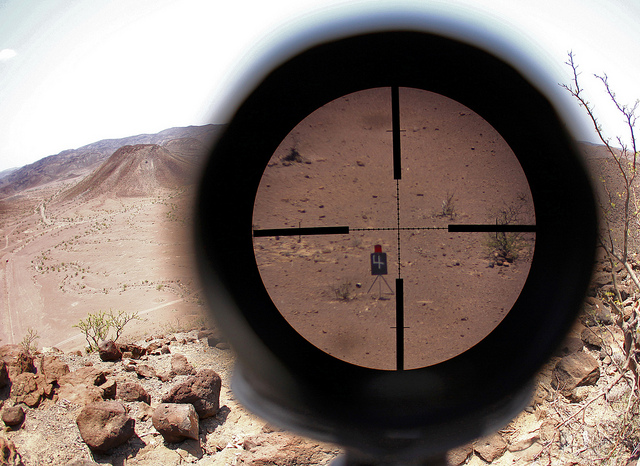
target on sight using scope crosshairs

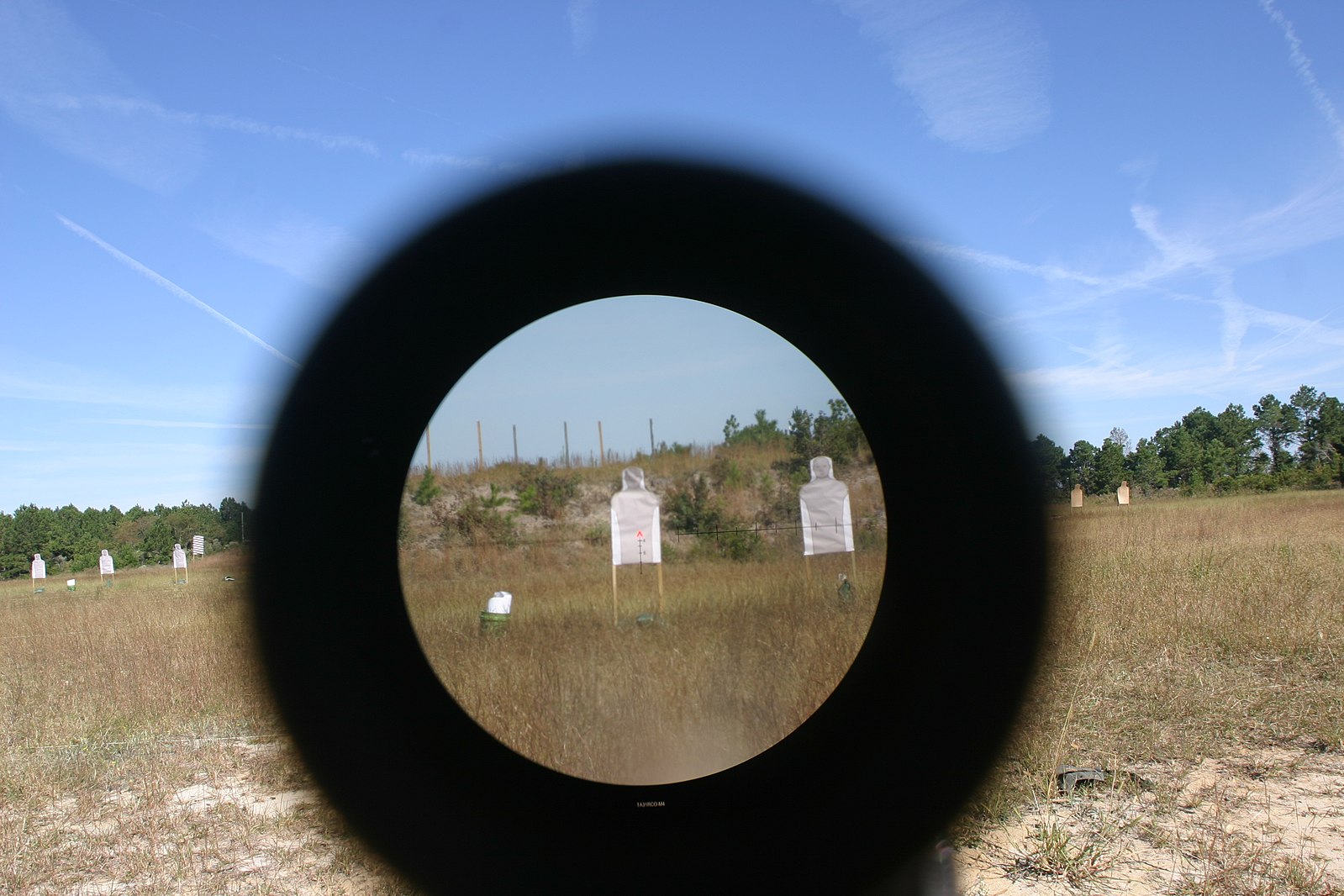
A target seen through a scout sniper observation telescope as Marines with 1st Platoon, Bravo Company, Battalion Landing Team 1st Battalion, 2nd Marine Regiment, 24th Marine Expeditionary Unit in Djibouti; Image by Cpl. Michael Petersheim via Flickr

Having the right weapon scopes and sights, the perfect accessories for them, and knowing how to use them, adjust them, and maintain them are essential skills for every warrior, hunter, or weapons enthusiast.

Scopes

bushnell tactical rimfire scope

Bushnell Tactical Rimfire Scope on Ruger 10/22; Image from Attribution 2.0 Generic (CC BY 2.0) by Hunting Mark via Flickr

Scopes are mounted to the barrel of a weapon at approximately the midway point. They provide magnification so you can bring a far away target into close focus. They let you see both your gun’s sight and your target in a way that ensures you are lined up for the shot.

Types Of Scopes

There are many types of scopes available, and the right choice will depend on your weapon and your shooting conditions:

  • Variable or adjustable scope: you can change the magnification settings with this type
  • Fixed scope: you cannot change settings with this type of scope
  • Night vision scope: provides infrared illumination for dark conditions

How Do They Work?

parts of a scope

Parts of a scope; Original image adapted from Creative Commons Attribution 2.0 Generic by Steyr Mannlicher via Wikimedia Commons

All weapons scopes use a series of lenses much like those you would find in a telescope or pair of binoculars. In fact, in the field, they make a passable substitute for binoculars when binoculars aren’t available.

These lenses magnify when you see through the scope. Your scope will also provide you some kind of reticle that shows where your shot is likely to go. We say “likely” because long-distance shots are affected by many things other than just your aim.

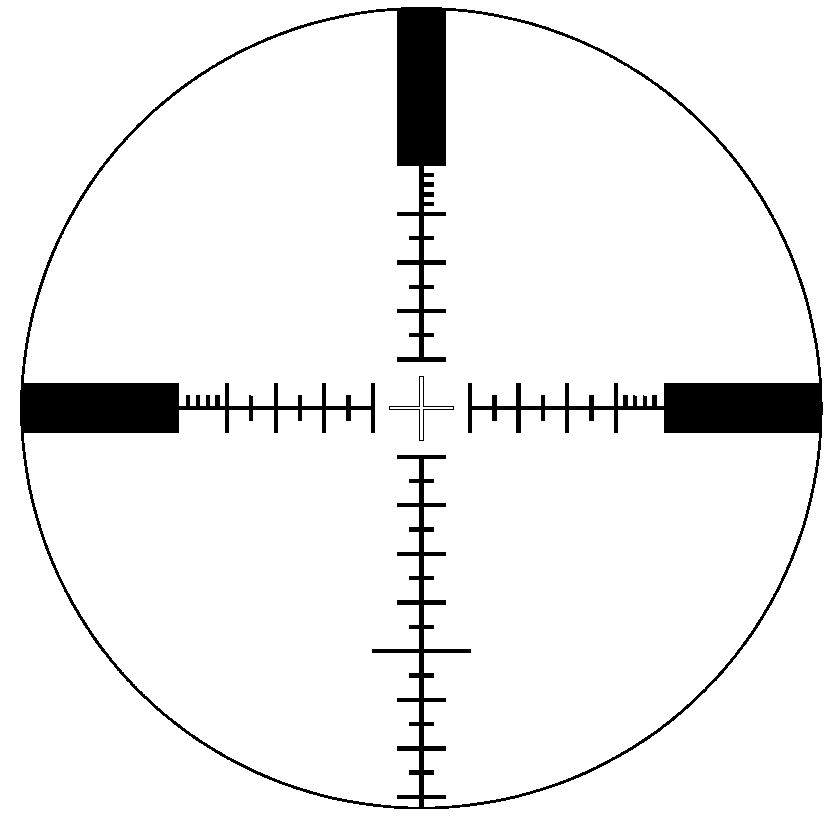
The reticle may look like crosshairs, various types of dots, a star, or a bullseye. The scope will also have a way for you to adjust the elevation, a mounting rail for putting it on your weapon, and often a cap to protect the adjustment and the end.

reticles vector of scopes

Types of reticles; Image by Jellocube27 via English Wikipedia

The user peers through one end of the scope, resting the reticle on the target. By adjusting the knobs, the user can center their scope on the target and adjust for various factors like wind, distance, and the way the bullet will drop in response to gravity.

A Short History

Scopes for magnifying a shooter’s target came into existence not long after the telescope was invented by Hans Lippershey in 1608.

Prior to this invention, all shooters used iron sights only, and these were so reliable that even a hundred years after the first scopes came out, the famous sniper Simo “White Death” Hayha thought they were inferior to sights.

simo hayha

Simo Hayha; Image from Finland Military Archives via Wikimedia Commons

The first scope, called a “telescopic rifle sight” was made in 1776. Unfortunately, it was an unmitigated failure. The recoil of the rifle shoved the scope back into the user’s eye, and the idea was abandoned for a while. Finally, in the 1830s, Morgan James made the first successful scope.

The First Snipers

Scopes produced a new kind of warrior: the sniper. The first snipers appeared during the Civil War, and their existence was almost based more upon the potential of the scope than actual performance. Everyone could see that the “telescopic sight” could do great things, but it would take a while before the potential became reality.

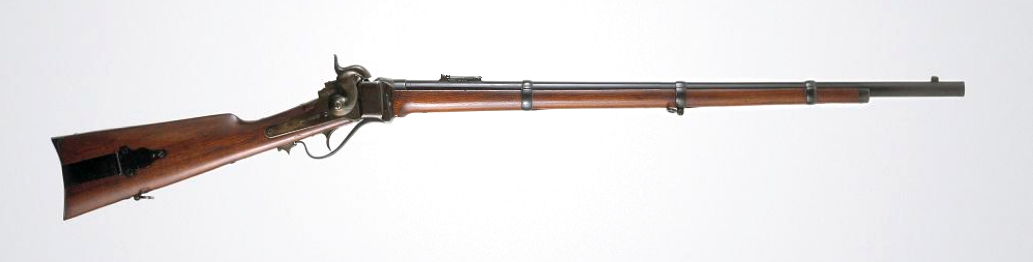
sharps rifle

United States Sharps rifle Model 1859, .52 caliber; Image by Division of the History of Technology, Armed Forces History, National Museum of American History, Smithsonian Institution via Wikimedia Commons

Snipers in the North mostly used Sharps rifle, which gave birth to the term “Sharpshooter.” Southern snipers used the British Whitworth rifle, which, when combined with a scope, was the most accurate rifle in existence and the true first modern sniper rifle.

World Wars

The sniper’s place in modern warfare and the value of the scope were well established by World War I. In that conflict, Germany dominated the sniper war with the finest rifles and scopes.

german sniper

German sniper laying on ground near barbed wire defenses; Image from Library of Congress via Picryl

By World War II, rifle scopes were highly developed and available to regular infantrymen, not just snipers. The two greatest scope improvements came from the United States and Germany. In the US, the Unertl Optical Company provided a scope that every soldier to put on an M40 rifle. It proved excellent 10x magnification.

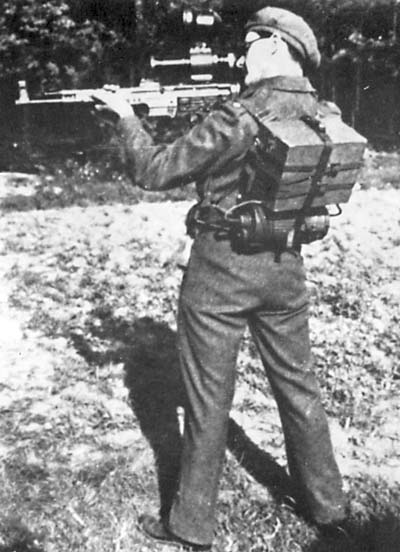
The Germans, meanwhile, actually invited the world’s first night vision scope: the Zielgerät “Vampir” 1229. They put it on their Sturmgewehr 44 assault rifle, but it made no ultimate difference to their fate in the war.

soldier using vampir night scope

Vampir night scope tested by British soldier; Image from British Army via Wikimedia Commons

Today, modern infantries issue weapon scopes and sights to all their personnel, and many scopes have been upgraded to allow for easy target acquisition, standard night vision options, auto-aiming functions, and laser range-finders. Many of these are available for the weapon enthusiast, as well.

Sights

A weapon’s sights typically sit at the end of the barrel. They are designed to help the user visually align their weapon to the target. Some people consider a scope a type of sight: a telescopic sight. This is a legitimate way of thinking, but modern weapons tend to have both scopes and sights, making it essential to differentiate.

Types Of Sights

There are several types of sights available for weapons, even without considering scopes to be a subset of sights. Here are the most common:

  • Iron sights: can be single or located at both ends of the barrel
  • Peep sights: like iron sights, but the front sight stays fuzzy until perfectly aligned on target
  • Dot sights: project a dot or holograph onto the target
  • Laser sights: project a laser beam onto the target

How Do They Work?

Since there are different types of gun sights, each works slightly differently. To use simple iron sights come from the factory on nearly every weapon made. The simplest kinds feature nothing more than a simple bump or notch at the end, but most have “open sights.”

types of sights

A selection of open sights, and one aperture sight suitable for use with long eye relief, all using a 6'oclock hold: A) U-notch and post, B) Patridge, C) V-notch and post, D) express, E) U-notch and bead, F) V-notch and bead, G) trapezoid, H) en:ghost ring. The gray dot represents the target; Image from Creative Commons Attribution-Share Alike 3.0 Unported by Fluzwup via Wikimedia Commons

Open sights offer an aperture at the back end of the barrel and a notch or bump at the front. The user lines these up to make sure the weapon is aimed correctly. Peep sights work similarly, but they help the shooter get alignment more quickly by keeping things fuzzy until they are.

Dot sights are the most common these days, and they make shooting a breeze. The dot, crosshair, or other aiming point displays across the shooter’s view. There is no need to align the sights, and the image always stays on target.

soldier looking  on scope for pop up target

Staff Sergeant Sally McCabe sights on pop-up targets; Image from U.S. Air Force by Tech. Sgt. Justin D. Pyle

A Short History

The first guns were ridiculously inaccurate. These 14th-century nightmares didn’t need sights because there was no reason for them: aiming the gun made hardly any difference. All you could do was point it in the general direction of your enemy and hope for the best.

Bead Sights

By the mid-15th century, firearm accuracy was finally good enough that the first bead sights were added to the muzzles. By the 16th century, people had realized that adding a rear sight made the whole thing more accurate. They had also learned to bring the front sight in just a bit, as leaving it at the extreme edge of the barrel made it vulnerable to being knocked and jolted.

Innovations

The next step was making these sights adjustable and providing markings on rifle barrels so shooters could adjust them quickly. It was the Turks who invented the peep sight, and they had a fascinating innovation. They drilled several holes on top of one another, each one designed to be used at a different distance.

Their system was so good that it remained in use until the 1800s. In that century, fully adjustable sights were invented, allowing a user to have just one peephole and move notches around to adjust for distance.

Modern Sights

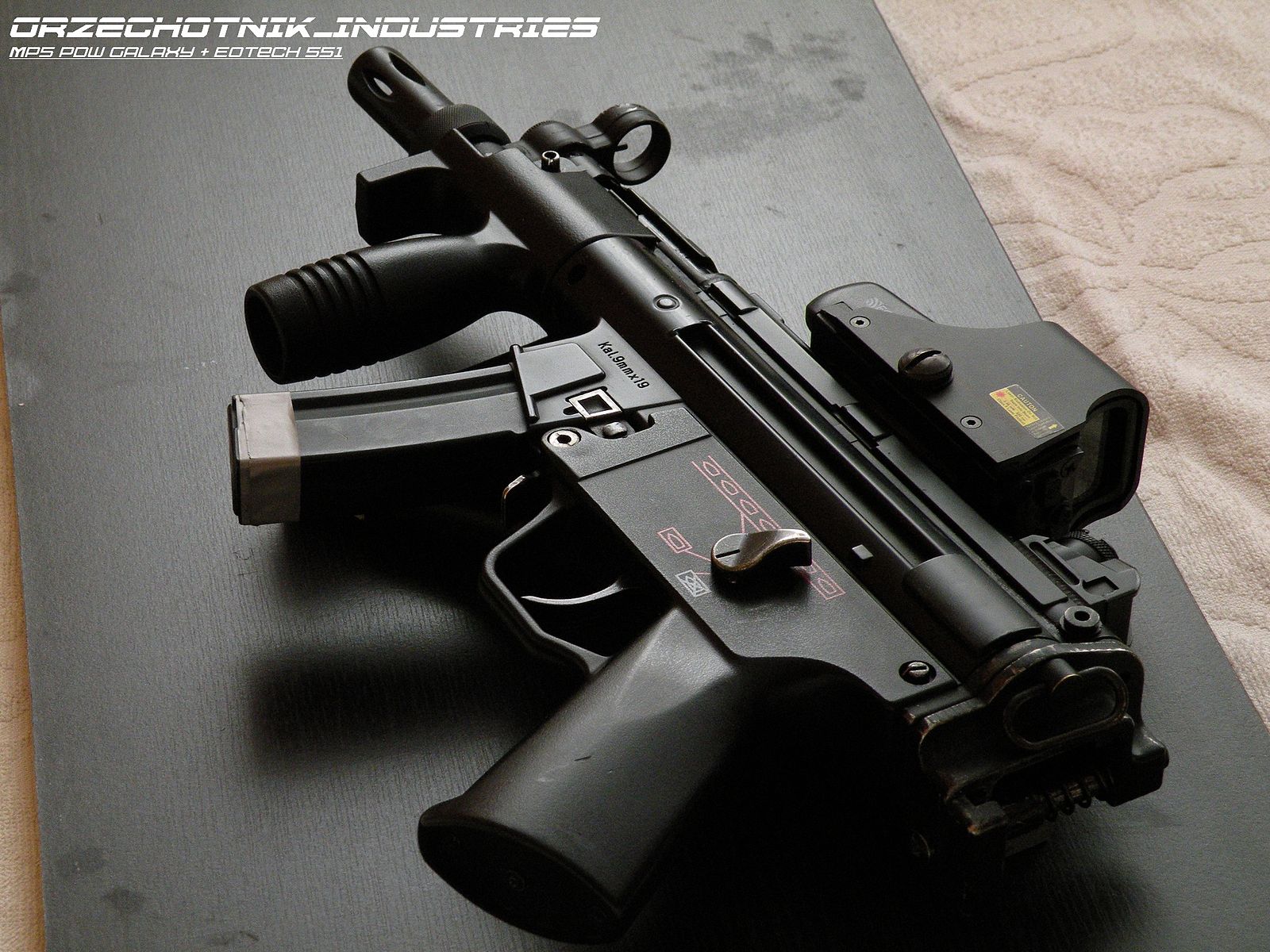
heckler and koch mp5 pdw galaxy with eotech 551

Heckler & Koch MP5 PDW Galaxy w/ Eotech 551; Image from Creative Commons Attribution-Share Alike 4.0 International, 3.0 Unported, 2.5 Generic, 2.0 Generic, and 1.0 Generic by Neevsky via Wikimedia Commons

These came into use during the early 20th century and were used extensively in World War II. These sights use a small reflecting glass to project the aiming point for the shooter. In the late 1990s, holographic sights used the reflective idea and improved upon it by using photography rather than reflection: which did away with any distortion.

Laser sights are highly accurate but are the least-used of all the weapon scopes and sights available. That is because they are really more show than substance. They tend to fool the unwary shooter into assuming aim is true because they can see a dot. Unfortunately, the laser cannot factor in distance, wind changes, or movement by the target.

Terms You Need To Know

An article like this cannot cover every single term related to weapon scopes and sights; however, there are some that every weapons enthusiast should be aware of.

Adjustable Objective

On a scope, this is the dial at the end or knob on the left side. Use it adjust the scope’s parallax to the approximate distance of your target.

Bullet Drop Compensation

Gravity is a thing, and bullet drop compensation is the act of accounting for it. The instant your bullet leaves the barrel, it will begin its inevitable descent towards the ground. The farther away the target is, the more the bullet will drop as it travels. This means an accurate shooter needs to raise their weapon a certain amount to compensate for varying distances. Good weapon scopes and sights help you compensate.

Click

One click refers to one notch of adjustment in a scope’s elevation. Typically, once click will change the scope’s impact point by 100 yards.

Eye Relief

This is the distance your eye needs to be from the end of a scope in order to still see it completely.

Magnification (or Power)

target on sight through the scope

Image by U.S. Marine Corps via Wikimedia Commons

This tells you how powerful your scope is. Magnification is expressed with a number and the letter “x.” A 10x scope shows you things ten times closer than looking with your naked eye.

Parallax

This term refers to the apparent position of your scope’s reticle on the target. Most scopes allow you to adjust this by 100 or 150 yards at a time. If the target and your reticle are not on the same focal plane, the reticle will not fix on the target.

Parallax Compensation

Not necessary for shooting at ranges under about 250 yards, parallax compensation becomes increasingly important the longer distance you shoot. Use the adjustable objective to move the reticle around until the target becomes clear. You’ve adjusted correctly when you can move your eye around, and the reticle does not move off the target.

Twilight Factor

Refers to how accurate a rifle scope is when there is little light. The higher the twilight factor, the more light the scope allows in and the more accurate it will be in low light conditions.

Weapon Scopes And Sights Accessories

There’s almost nothing you can’t get online these days, and that includes an array of accessories to improve your experience with weapon scopes and sights. We’ve rounded up a list of some of the most useful for the average shooter.

Scope Cover

A scope cover is the perfect way to protect your scope from moisture, dirt, or knicks and knocks. The ideal cover goes on and off easily and is made of a stretchy material.

Scope Mounting Kit

If you use more than one scope on your weapon, you will want your own mounting kit to make it easy to take off one scope and put on another. Look for a kit that comes with a leveling tool, a lapping bar handle, a thread lock, gunsmithing screwdriver bits, and a torque screwdriver.

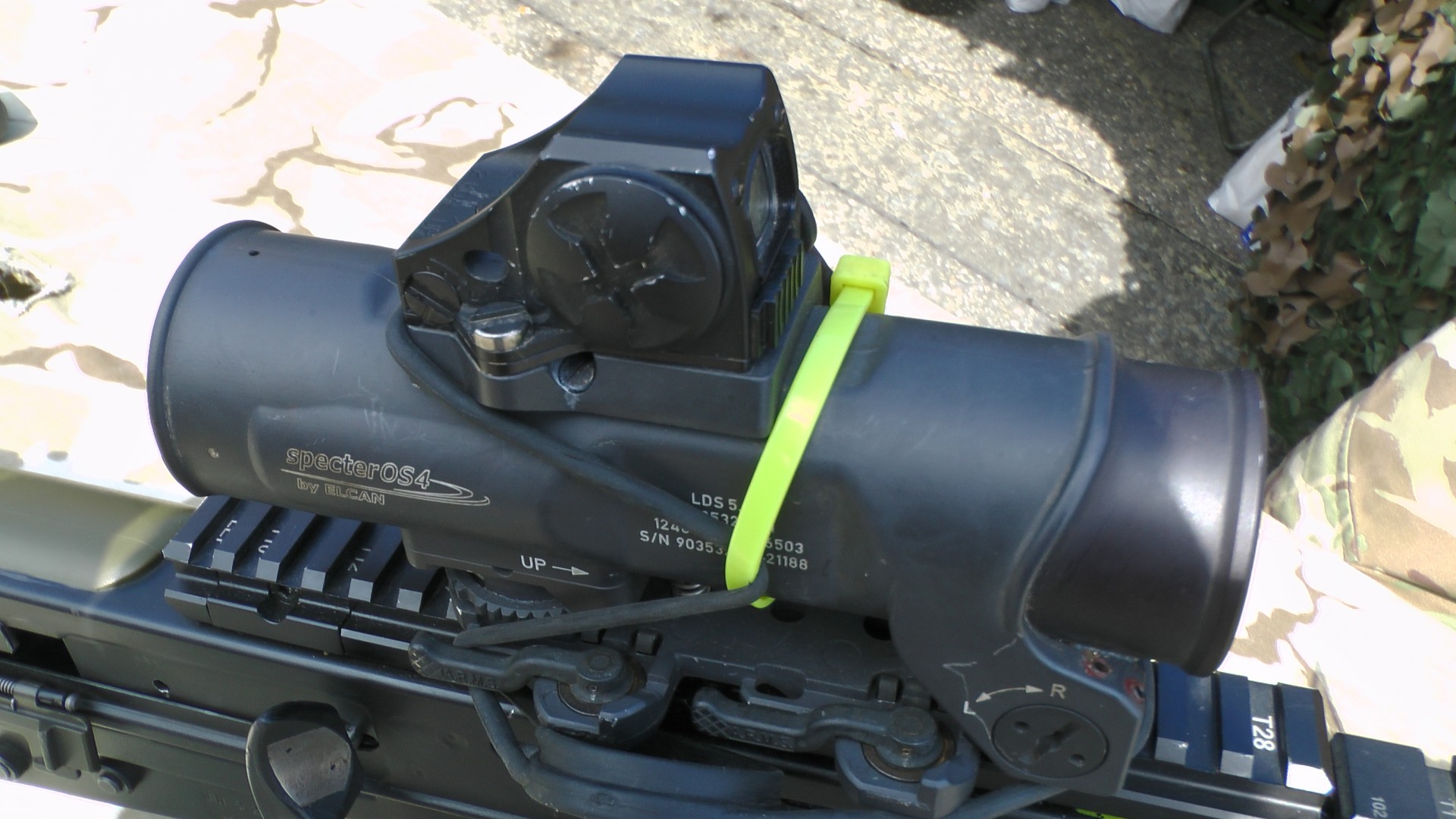
Sight Magnifier

sight scope magnifier

If you have a dot sight, you may want a bit of magnification without the bulk and inconvenience of fitting a whole scope. A sight magnifier gives you around 3x magnification in a small attachment that locks into place quickly and easily.

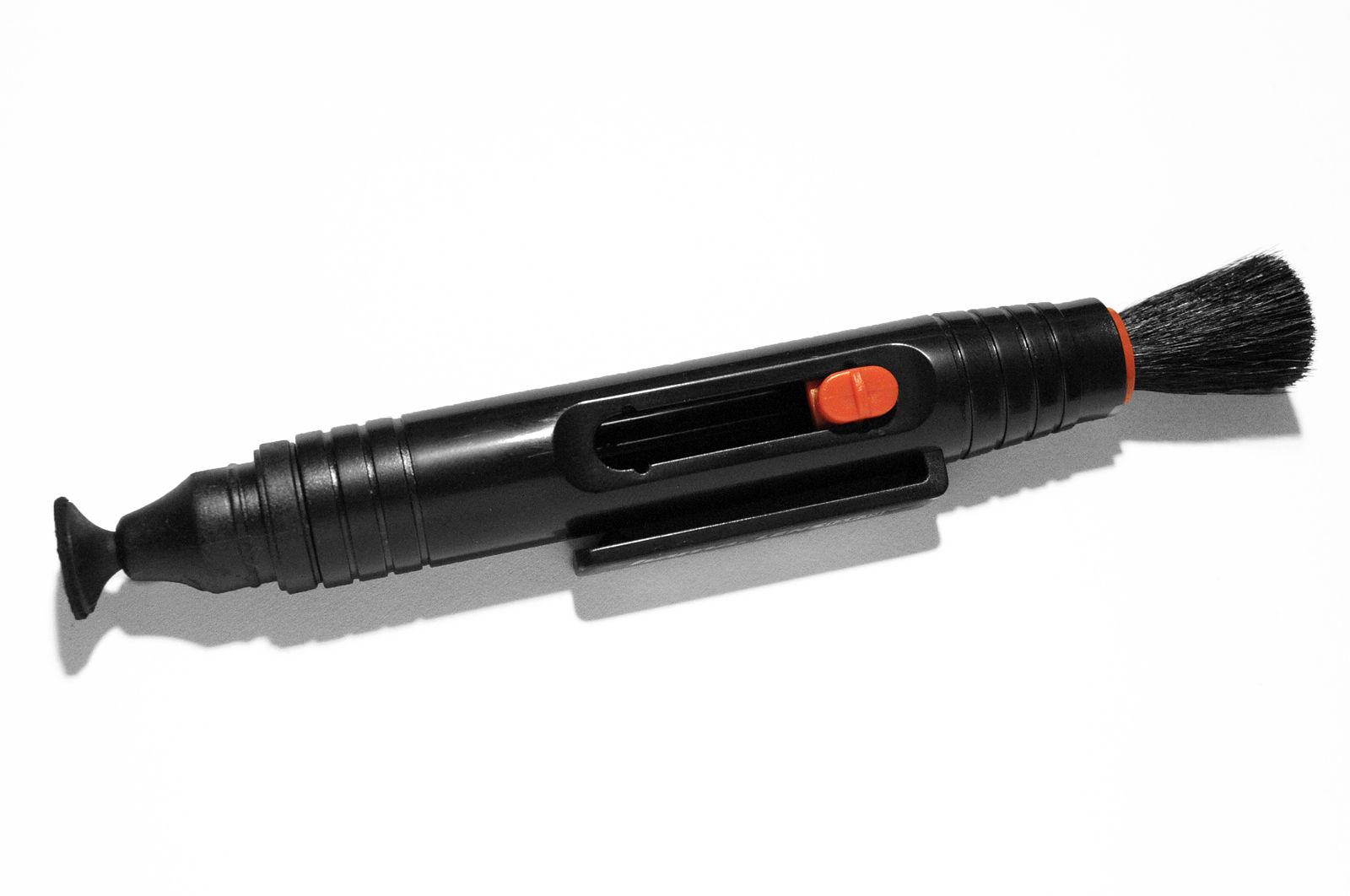
Lens Pen

This is a handy little tool that allows you to wipe off debris or fingerprints from your scope or lenses without having to fiddle with cleaning compound or worry about scratches. It carries a cleaning compound within it and is shaped like a pen.

Lens Cap

Most scopes will come with a cap on the end to protect it, but if yours doesn’t, or if you’ve lost or damaged the one you have, get another. A lens cap is essential to keep your scope in good working order.

Wind Meter

There are several types of wind meters, and they all do basically the same job. They give you an accurate estimate of the strength of any crosswind so you can shoot more accurately over long distances.

Clip-On Night Vision Adaptor

night vision scope

Night vision; Image from CC BY 3.0 by David Kitson via Wikipedia

If you don’t want to buy a separate night vision scope, you can use a night vision adaptor. These will go on your weapon’s rail and transform your existing scope into one that can see in the dark.

How To Mount Your Scope

Your rifle scope is one of the most expensive items you’ll buy for your weapon. No matter how much money you spend on your scope, it will be useless if it hasn’t been properly mounted. You can get a gunsmith to do this for you, but there’s no reason you can’t learn to do it yourself.

Tools

  • Gunsmithing screwdriver
  • Gunsmithing screw bits
  • Gun cradle
  • Rosin
  • Electrical tape
  • Scope level
  • Gun-safe cleaner
  • Dowel rods

Important Prep

Fortunately, the vast majority of modern rifles are already drilled and tapped to hold scopes, or they come with mountain attachments. This means it’s increasingly possible for the average gun owners to install weapon scopes and sights on their own. It also means it’s crucial to make sure your mounting system fits your rifle.

The next preparatory step is to clean everything carefully. Wipe it all down and make sure it’s dry. Apply a little oil or a rust preventative to the mounting rail.

Where to Mount

Most professionals recommend that you put the scope as low as possible without touching the barrel. Make sure there’s enough clearance at the eyepiece for the bolt to move freely.

The scope bases and rings usually attach with socket heads. Secure just the lower half of the rings for now. As you secure them, make sure your fit is even and stable by tightening the screws alternately.

If the socket system rotates, don’t use the scope to pivot the ring around. Use the dowel rods to do the pivoting. If you want to make sure things never move, you can even add a drop or two of Loctite.

Align Your Reticle

The bottom half of the scope mounting rings should be secured at this point. Put in your scope and then put on the top half of the rings and tighten just enough that you can rotate the scope and move it around.

With your gun cradle holding the scope perfectly level, move the scope around until the reticle is perfectly aligned both horizontally and vertically. Make sure that the scope is far enough forward that your eye is safe, but that you still have good eye relief.

Tighten It Down

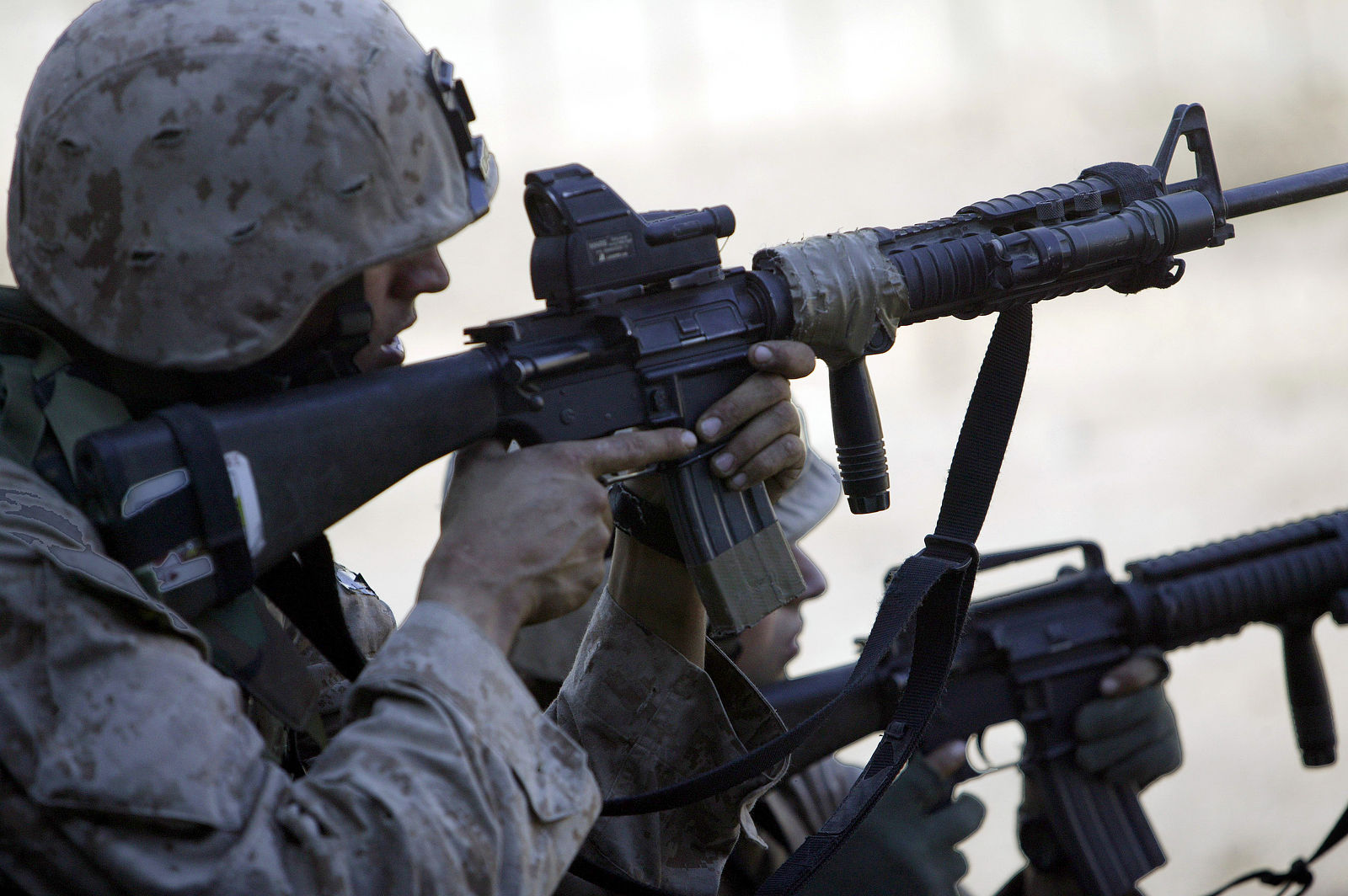
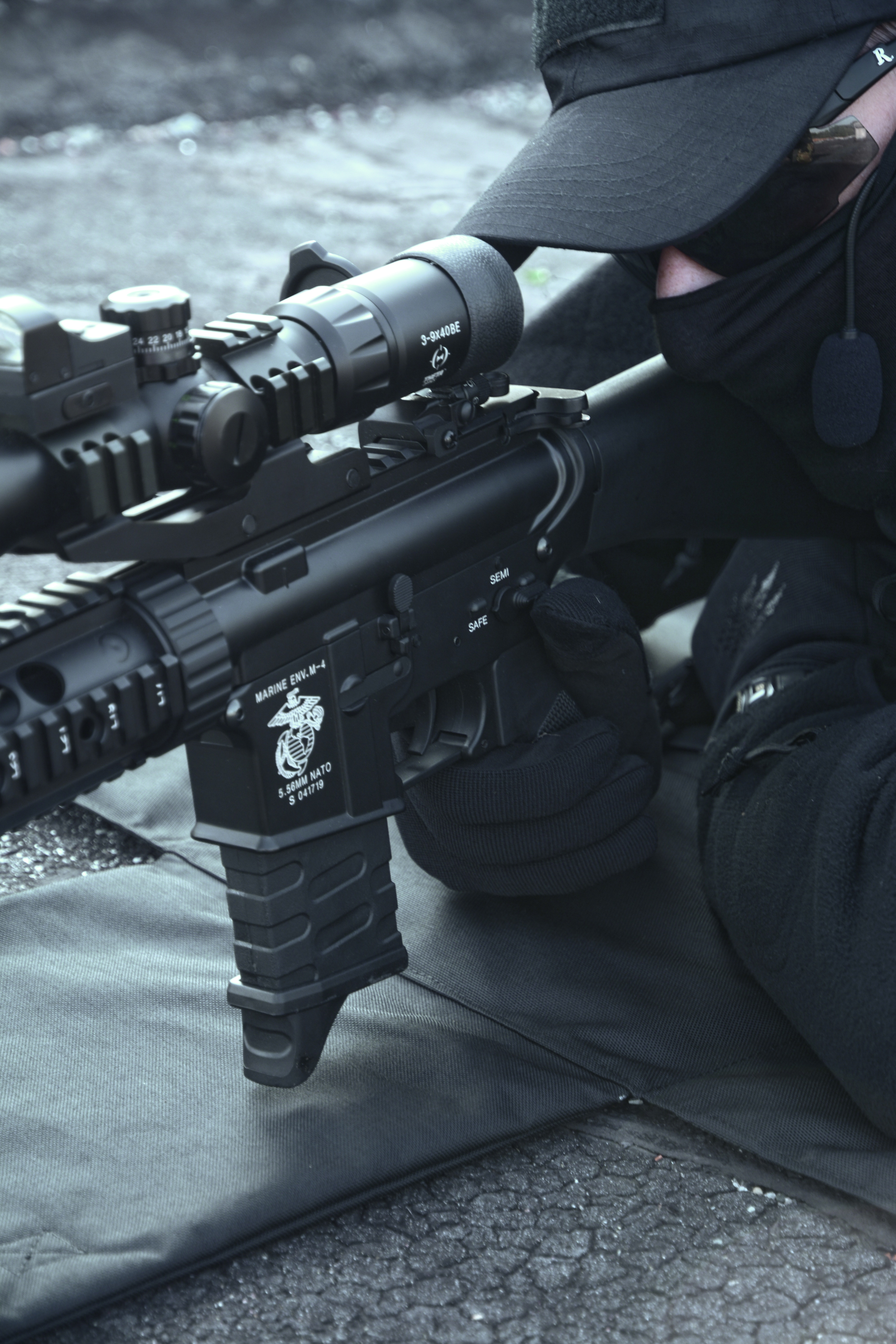
marine holding a gun with a scope

Once you’re sure everything is level (use the scope level to double check), tighten down the screws on the top half of the rings. As before, alternate tightening the screws, so everything sits evenly.

Now you’re ready to do some test fires at the range to site-in your rifle.

How To Replace Your Rifle Sights

Replacing iron rifle sights is a bit trickier than mounting a scope. There’s no shame in getting a gunsmith to do this for you if you want to put on different sights. If you’re determined to do it yourself, check out this helpful video to get tips for doing it right.

If you want to add a red dot or reflective sight to your rifle, you’re in luck: these are relatively easy to install. Once again, seeing how to do it is the best way to do it right when it comes to sights.

What To Consider When Buying Scopes

Buying a rifle scope can be a difficult and complicated proposition. There are literally hundreds of choices for nearly any modern rifle, and plenty even for older models. Knowing the terminology and what to look for will help you choose the right scope for your needs.

Scope Number Reading

scope number reading

Scopes come labeled with numbers separated by an “x.” The first number tells you the magnification factor of the scope. If you see two numbers to the left of the “x” separated by a dash, this means you can adjust the magnification.

The number to the right of the “x” tells you the diameter of the scope lens that is farther forward. The measurement is in millimeters.

Choosing Magnification

The magnification of your scope matters. Let’s say you use your rifle for deer hunting in the forest. If you have a scope that gives you 32x magnification, you’re going to find it impossible to see through all the undergrowth and brush to make out anything.

But, let’s say your favorite activity with your rifle is long-distance target shooting. If you’ve only got a 3x rifle, you’re never going to do very well. Scope magnification has to match your intended activity.

looking through the scope with soldier target on sight

Camp Hansen, Okinawa, Japan (May 21, 2004) - A Special Reaction Team (SRT) member looks through the scope of a sniper rifle to help enlarge targets; Image by Cpl. Ryan Walker via Wikimedia Commons

Basically, scope magnifications between 3x and 9x will make it easy for you to track a moving target and shoot quickly and intuitively. Anything over 16x is going to be large, heavy, and perfect for target shooting. If you want to have options, you can get a variable power scope.

The only problem with variable scopes is that they are significantly more expensive than scopes without this feature. They also tend to be a bit more susceptible to breakage due to the delicate moving parts that allow them to change magnification.

Choosing Scope Diameter

The important thing about the diameter of the scope’s lens boils down to light. The larger the lens, the more light the lens allows in. The scope needs ambient light to transmit the image to your eye, but the scope’s reflective lenses lose some of the light as the image makes the journey.

This means that the image you see through the scope will always be dimmer than it really is. In bright, blazing sunlight this doesn’t matter in the slightest; in fact, in really bright conditions it can be helpful. But at twilight, in the rain, or in other low light conditions, this can seriously compromise your view.

man holding a rifle hunting at sunset

The larger the lens diameter, the brighter and clearer the image will be. In most cases, the more magnification a scope has, the larger the lens diameter will be.

So, do you want to just get the biggest possible lens? Not necessarily. The larger the lens, the heavier it is. The larger the lens diameter, the higher above the barrel it has to be mounted. If the scope is mounted too high, it may make it difficult for you to put your cheek in the right place, compromising your shots.

You can always buy a cheek-riser to compensate, but in many cases, your best bet may be to get a slightly smaller one scope and either add a night vision attachment or switch over to a night vision scope when you know you’ll be shooting in low light.

Choosing a Reticle Pattern

There are a lot of possible reticle patterns to choose from. In most situations, the final choice is just up to your personal preference. However, there are two things worth knowing.

First, mildot reticles have small dots in the center of the crosshairs, and you can use these to tell how far away a target is, so long as you know the target’s size. The dots also make it easier to adjust for wind changes or elevation rises or drops. This is the standard for more snipers.

Second, a BDC reticle is very useful if you need to shoot at targets over a variety of ranges quickly. The “BDC” stands for “bullet drop compensator.” These work well, but once you start shooting over 500 yards, they become less accurate.

Parallax Adjustment

Cheaper scopes usually can’t adjust to compensate for parallax. They are typically designed to offer no parallax at 100 yards. Anything significantly more or less than this and the scope won’t perform very well.

If the scope magnifies at 12x or beyond, you’ll want to make sure it comes with parallax correction.

Focal Plane Positions

Scopes come in either First Focal Plane (FFP) or Second Focal Plane (SFP) designs. Most modern scopes use the SFP reticle arrangement. Basically, this means the reticle you see through the scope will stay the same size no matter how you change the magnification. This is really useful if you will be changing magnification a lot and need the same consistent view no matter what power you’re using.

FFP designs make the reticle scale up and down as you adjust the magnification. The upside of this is that you can be sure your markings are accurate at varying distances. The downside is that the reticle can get a bit hard to see at lower magnifications. FFP designs are best when you know you’ll always be using high magnification.

Scope Prices

Scopes can be very pricey. Budget scopes will cost $200 or less, while the most expensive models can easily run over $3,000. The more money you pay, the more range you get, the more choices you’ll have in terms of reticles, and the better parallax adjustment will be.

price versus value

If you have the chance to test out some scopes on some buddies’ rifles or at your favorite range, go for it. In most cases, and as with most things, you do get what you pay for. However, it’s definitely not necessary to drop thousands of dollars just to get a serviceable, durable, useful scope.

What To Consider When Buying Sights

Iron Sights

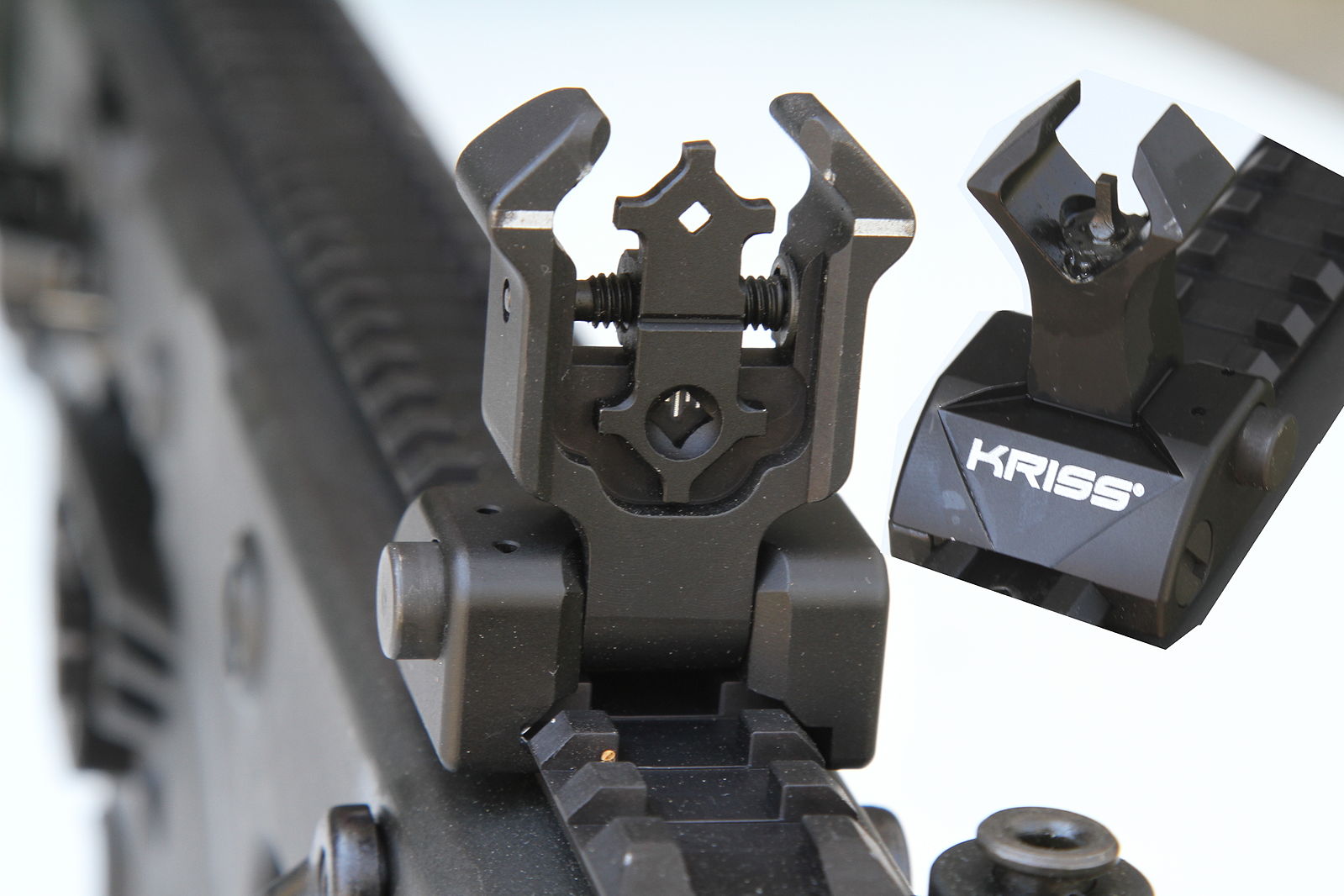
rear iron sight

Rear iron sight; Image from Kinkify via Wikimedia Commons

The most common type of sight, iron sights, are the typical factory default for guns. This isn’t a very precise type of sight, especially if you only have one sight at the end of the barrel; but in some cases, they work really well. Shotguns are a great example of a weapon that really doesn’t need a lot of fancy sites.

hand holding a pistol

Pistols also work well with double iron sights, one in the front and one in the rear, though in most cases their effective range is only about 50m. Simple iron and peep sights will also be problematic for you if you have poor eyesight or don’t have time to put in a lot of practice.

Laser Sights

Laser Sights are cool, and they can be very useful for a new gun owner. They can help you get a sense of what you’re doing; however laser sights can actually be bad for experienced users. As mentioned above, it is tempting to rely so much on the laser that you neglect important steps in your development a weapons expert.

It’s also worth bearing in mind that laser sights give away your position when you’re in the dark. This is something to consider if you have a gun for home defense or for hunting.

Reflector Sights

soldier looking through the sights on his m16a4

Lance Corporal Jeromy S. Pilon looks through the sights on his M16A4 in Fallujah, Iraq; Image by Lance Corporal Miguel A. Carrasco Jr. via Wikimedia Commons

Reflector sights are most often used by the military and law enforcement in weapons designed for short range fights. They allow the user to shoot quickly and accurately and can be adjusted for daytime and nighttime use.

You can put reflector sights on a hunting weapon, but in most cases, it won’t be your best tool. Additionally, you need to be aware that moving the sight lever—either on purpose or by accident—means you have to re-sight the weapon.

Maintenance

Weapon scopes and sights require basic cleaning to keep them in good shape. For iron sights, cleaning is a snap. Simply wipe them down with a gun-safe cleaner on occasion.

For scopes, the situation is a bit more complex. Fortunately, modern scopes usually come with coatings that protect the lenses from scratches, but eventually, even the fanciest and most expensively coated lens will need to be cleaned.

What Not to Do

Whatever you do, please don’t use the tail of your shirt, some scratchy old napkin you found in your truck glove compartment, or any kind of ordinary spray cleaner on your scope. Even shirts and cloth that feel very soft to you are going to scratch the coating of your lenses.

As for those spray cleaners, unless they’re purpose-made for the job, they are liable to actually degrade the coating. Never ever use Windex, we’re begging you!

Preventing Problems

The best way to keep your lenses clean is to use lens caps and covers. Whether your gun is being stored or you have it with you but aren’t actively using it, keep the scope protected.

gun cleaners

When you clean the rest of the rifle, keep the cap and cover on your scope: the powerful cleaners that are suitable for the rest of the weapon will destroy your scope lenses over time.

How to Clean Effectively

Here are the steps to properly cleaning your scope:

  1. Get a special lens brush designed for the job
  2. Make sure that lens brush is totally clean
  3. Get a polishing tool: either a lens brush with polish or a polishing microfiber cloth
  4. Get a special liquid scope lens cleaner
  5. With the lens to be cleaned facing down, blow on it to get rid of most of the dust
  6. Lightly brush the lens with the lens brush
  7. For stubborn spots, slightly retract the brush bristles to make them tighter
  8. Polish the lens using a circular motion
  9. Apply lens cleaner if necessary to get rid of stubborn stains

Tips And Tricks

rifle in the field

You want to get the most out of your weapon scopes and sights, so here are some tips to help you make the right choice for your needs.

Match Your Scope to Your Rifle

If you’ve paid a lot of money for your rifle, don’t compromise your ability to use it by saving money on the scope. An amazing rifle demands an amazing and precise aiming device to allow you to get the most out of it.

Use the Right Reticle

A fancy reticle that lest you adjust for elevation and wind could be awesome: but if you don’t really need it you’re just paying money for nothing. If you just want to aim at shorter distances, don’t splash out for a tactical reticle you’ll never get around to using.

Don’t Skimp on the Mount

If you’ve paid a lot of money for a quality scope, the last thing you want to do is mount it to your rifle with a cheap bit of plastic. A strong mount doesn’t have to cost a lot: it just needs to be made of quality material.

fn fal rifle stanag scope mount

FN FAL rifle STANAG scope mount; Image from Creative Commons Attribution 3.0 Unported by WoozleSPB (Sedov K.B.) via Wikimedia Commons

Always Be Level

It is impossible to overstate how important it is that your scope be perfectly level. Even if your reticle is a bit off, that won’t matter terribly if the scope is level. All you have to do is slightly adjust. It’s worth investing in a level device if you do a lot of shooting.

Troubleshooting

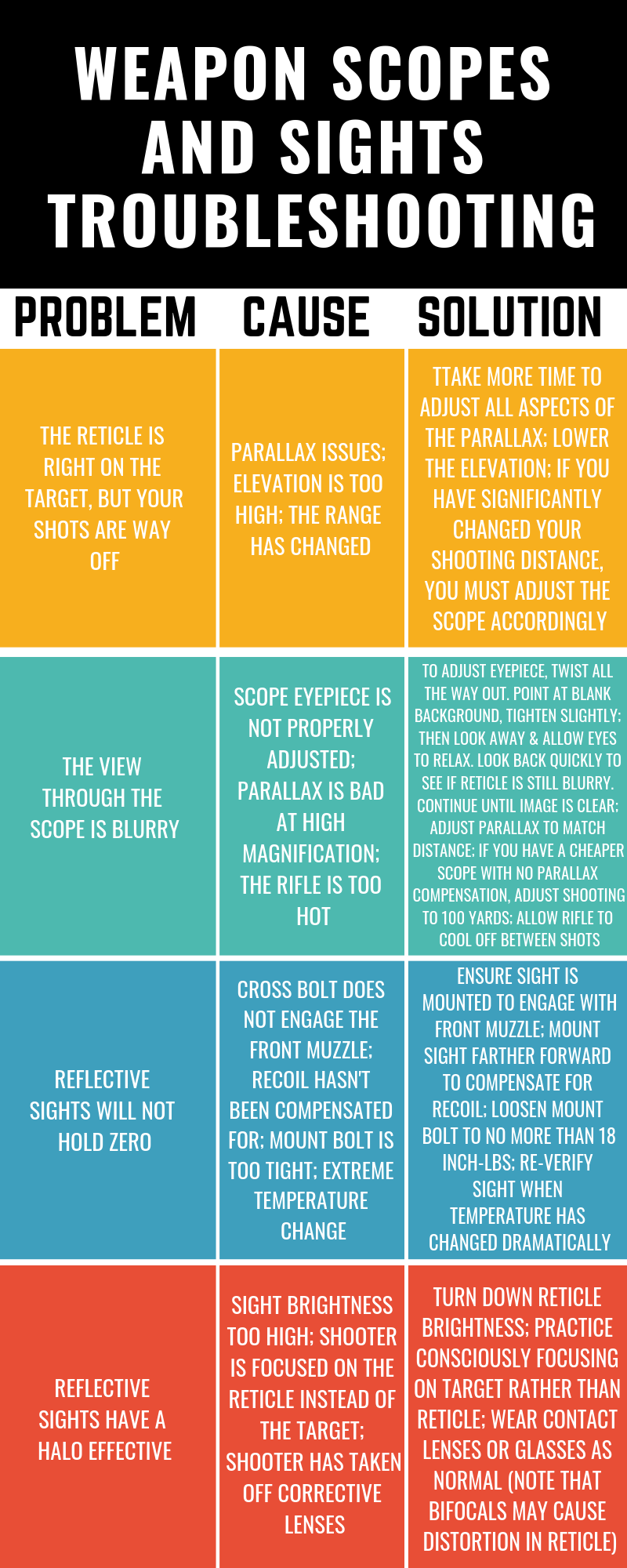
When you feel like you should be making your shots but the bullets never hit the target, it’s really frustrating. Here are some troubleshooting tips to consider:

scopes and sights troubleshooting

Bottom Line

In many ways, your rifle is only as good as the sights you use; especially if you’re shooting over distance. A great scope, meanwhile, can improve the accuracy of even an average rifle. Choosing the right weapon scopes and sights means knowing yourself, knowing your weapon, and knowing what your typical shooting conditions will be.

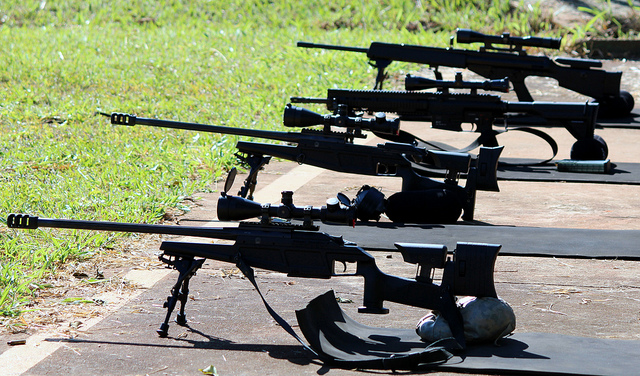
rifles with scopes attached lined up on the ground

Tactical Operations Command, Federal Police Department; Image from Attribution 2.0 Generic (CC BY 2.0) by André Gustavo Stumpf via Flickr

If you’re a beginner, however, remember that practice is the most important thing. Even the most expensive scope on the market can’t make up for a lack of skill; and in the end, having a weapon is no good if you don’t know how to use it effectively.

keep calm and carry on post it

Redfield Revolution Scopes: Features, Reviews, And Comparisons

Over one hundred years ago John Redfield had the vision to create the best rifle optics around. Today, his vision is still being pursued in Oregon near his hometown.

While the Redfield company has been merged with Leupold & Stevens, Inc., the company still manufactures and produces the Redfield Revolution line of scopes to the exacting standards set forth by Mr. Redfield himself.

While the Redfield name and optics are manufactured and built all over the world, including China, Taiwan, and Mexico, the Revolution scopes are built, by hand, right in Oregon, USA.

What Are Redfield Revolution Scopes and How do They Work?

a woman sitting beside her hunting dog and aiming her rifle by looking through the scope

Redfield is the brand name; Revolution is the line. The rifle scopes are mountable optics for rifles and long barrel guns that increase visibility, sight lines, and aim. With the right scope, the hunter can see his target and take it down with a precise shot.

Revolution scopes come in various sizes and abilities. The entire line is built in the USA and is one of the few that still start and complete production in the United States borders.

Redfield scopes are designed with features and attributes that few other scopes can compare with. The initial design by John Redfield over 100 years ago was meant to give all hunters and riflemen a leg up in the hunting world.

Designed to be affordable for any budget and work under extreme conditions, the Revolution line of scopes was born.

Now, over 100 years later, the Revolution scopes are seen as a benchmark of excellence, craftsmanship, reliability, and durability.

There are four Revolution scopes in the line up:

  • Revolution 2-7x33mm

[amazon box=”B0034L8XW4″ template=”horizontal”]

  • Revolution 3-9x40mm

[amazon box=”B0034L3DOW” template=”horizontal”]

  • Revolution 3-9x50mm

[amazon box=”B0033BTH6G” template=”horizontal”]

  • Revolution 4-12x40mm

[amazon box=”B0034L70M8″ template=”horizontal”]

Each scope has a distinct purpose and mounts depending on what you are shooting. All the scopes are designed to fit most rifles. Leupold & Stevens, Inc. provides rings and bases for virtually any long barrel, 1-inch main tube diameter mounts and barrels that have a mounting space along the main barrel between 4.8 and 5.6 inches.

The 2 7x33mm scope is designed for hunting in short range areas where the sight may be darker, either through thick brush or dark trees and dense cover.

The 3-9x40mm scope is the general “all-around” scope. It has the best mixture of high-end and low-end magnification and can be used for most short and mid-range shots in any conditions.

The 3-9x50mm scope has the most light-gathering abilities and is designed for and relied upon by hunters who prefer the early morning or dusk hunting times.

The 4 12x40mm has huge magnification and is meant for those that hunt long range in open areas. With this scope, you can zero in on prey up to 600 meters in the distance.

John Redfield had a vision of bringing no-nonsense optics to the public. He did so with the Revolution line, which continues to this day.

What Makes Revolution Scopes Unique?

a rifle with a scope lying on top of a long firearm bag

Redfield Revolution scopes bring together world-class attributes that set them apart from almost every other scope on the market. Let’s take a look at what makes them different.

Construction

Each scope is made from 6061 T-6 aluminum. This gives the scopes a superior light weight and rugged durability. It also makes the scopes easier to zero in and maintain their sighting throughout the most abusive and prolonged use.

Redfield ILS

The Illuminated Lens System (ILS) is a Redfield design to allow the scope lens to absorb the most amount of light possible, making each shot through the lens, clear and crisp.

100 Percent Water and Fog Proof

The scopes main tubes are all vacuum purged with nitrogen. When they are sealed they create a waterproof and fog proof lens tube no matter what conditions you end up shooting in. The lenses will never fog, grow dark, accumulate moisture or be subjected to interior water damage.

Extreme Testing

Every scope is subjected to a series of brutal testing procedures to ensure that when you unbox the scope, it will perform as expected. Shockproof, easy to sight, simple to mount and ready to go virtually out of the box. With a quick zeroing in at the range, you will be ready to hit the trail in no time.

Reticles

a man looking through the rifle scope as he aim his rifle to his target

When you peer through the scope, the reticle should be easily seen and draw your eye to the center of the lens quickly. With Redfield scopes, you have a choice of three reticles. You will have to choose which reticle you want before ordering, as each one is made as needed.

The Accu-Range reticle is the most popular crosshair in the Revolution line. It offers a bold mark just above the center to draw the eye through the lens fast and steady.

The center mark is designed to be sighted at 200 yards for most loads. Following this then the lower marks correspond to 300 yards. The dot below the 300-yard sight represents 400 yards, and the bottom post is for 500 yards.

This will, of course, depend on the weight of your load and the type of shot, but as a general sighting rule, 200 yards center line should be followed for the most accurate and easily sighted optics.

The 4-Plex is another popular choice, which is designed to not have as many distractions in the optics. It offers bold posts that draw your eye to the center and hairline crosshairs for measuring the shot.

Sighting a 4-Plex is a little more difficult than the Accu-Range, but for those hunters that prefer less clutter in their sights, the choice is the 4-Plex view.

The TAC-MOA reticle is only available on the Revolution 3-9x40mm scope. It offers tactical elevation and windage adjustments. Each line represents 2 minutes of angle (MOA) and provides a far more accurate shot when used from 50 to 300 yards or more.

Pricing

When choosing the right scope for you, a budget will come into play at some point. As it stands, the four scope types, with the two reticle choices (or the TAC for the 3-9x40mm) are priced within ten to 20 dollars of each other.

The Accu-Range reticle, with the bullet drop compensation (BDC), is slightly more expensive than the less obtrusive 4-Plex. You should keep this in mind when choosing your reticle before purchase.

You can find the Revolution 2-7x33mm in the price range of $170 to $180 depending on the reticle chosen.

For the Revolution 3-9x40mm, depending on the reticle, you can expect to pay between $185 and $200.

The Revolution 3-9x50mm scope will have a price range of about $200 to $200 while the Revolution 4-12x40mm will run you between $225 and $245.

Public Perception

The Redfield Revolution scopes have received rave reviews from as far back as 1907 when the first one was made. In today’s digital age it is even easier to find reviews, reports, and accolades for the scopes.

What is difficult to find are complaints. Every scope, when researched online or in store, has over a 95 percent satisfaction rating with 90 percent of consumers willing (and eager) to recommend them to friends and family.

What about that 5 percent though? The most common complaint is about mounting. The bases and rings are suitable for most rifles, but not all. If the mounting tube isn’t one-inch in diameter, you may have problems with the mounting.

The second most complained about issue was the lack of end caps for the lenses. If this is going to be a problem for you, you can purchase caps from Leupold directly that will fit snug and secure.

Other than those two issues, there isn’t much more to complain about. The glowing recommendations and reviews from actual users and buyers are astounding. A near perfect scope, with easy mounts, three reticles, and the Redfield ILS, you are sure to be happy with your purchase.

What about the warranty? Leupold has you covered. Since 1907, the Revolution scopes have come with a lifetime warranty, or as they call it “The No-Excuses Full Lifetime Warranty.”

If ever anything goes wrong, it will be replaced, no fuss, no questions, no excuses. The only caveat is that the warranty is non-transferable, meaning if you buy the scope, the warranty is for you and you alone. If you end up selling it to someone else, the warranty is voided.

How It Compares

You will be hard-pressed to find another scope that offers what the Revolution line of scopes offers. With an unsurpassed warranty, 100 percent waterproof and fog proof tube and four options of magnification to choose from, the Revolution is heads above the competition.

For similar style, quality and dependable scopes in the same price range, nothing really compares. Sure you can find a less expensive model with the same magnification power, but it won’t have the Revolution’s ILS, shockproof design or lightweight, and low profile.

What We Think

We try to be as objective as possible, but find it difficult to find a better option for mid-range scopes that are better than the Redfield Revolution.

The four options of magnification and the additional options of reticles, make the line up hard to beat. There are a few very small issues that come up from time to time with the scopes though. Some mountings make it difficult to get the scope properly on your barrel.

There are, however, third parties that have rings and bases that can make it work, you will just have to do a little more research.

You may also find that the lack of end caps to be a bit off-putting. If that is the case, you can shop through Leupold to find caps that fit just fine. When you open the box, you will see you only receive the scope itself and a user’s guide.

The rings and bases will need to be purchased separately, though they are fairly inexpensive and picking the right ones for your rifle are essential to a proper mount.

Coupons and Deals

As of this writing, there are no posted or announced deals through the website or third party vendors.

If you are looking to save a little money, you can try looking for used scopes on sites like eBay or Amazon. You should note, that while the scopes may be in great condition when purchased new, the lifetime warranty does not transfer over to you.

If you purchase a used or second-hand scope, there shouldn’t be any issues unless the scope was mistreated by the original owner. However, should something go wrong after you make the purchase, it won’t be covered.

In Conclusion

a rifle setup with a scope and bipod lying next to a camouflage backpack

If you are looking for a new scope, whether you are a seasoned hunter or heading out for the first time, the Redfield scopes should be at the top of your list.

It doesn’t matter if you hunt elk, moose or squirrels, there is a Revolution scope for you. With four models to choose from, your choices will easily match your needs. If you prefer to hunt long range in the wide-open countryside, the 4-12x40mm would fit you nicely.

If you are unsure what you need, the well-rounded 3-9x40mm is easy to mount, simple to zero and offers a crisp, clear view with as much lighting brought in as possible.

The other two options are great for low light situations such as dawn or dusk hunting and in areas where visibility may be hindered by darker backdrops.

Don’t forget to choose your reticle, either. The Accu-Range offers a BDC that has become the standard for most models on the market today. If you prefer to have less optics clutter in your sights, the 4-Plex offers thin crosshairs and bold posts to draw your eye to the center quickly.

Whatever your needs the Revolution has you covered.

[amazon box=”B0034L8XW4, B0034L3DOW, B0033BTH6G, B0034L70M8″ template=”horizontal”]

Best 1-4x Scope: Top 10 Picks Reviewed & Compared

You will need a high-quality 1-4x scope to make the most of hunting season. A true 1x piece will assist you with reflex shooting. The scope lets you shoot with both eyes open as the rifle snaps into place. You use the setting at 1x to optimize the sight for faster shots. These scopes have the same benefits as red dot optics.

Many shooters think they don’t need a scope for hunting squirrels or other small game, but 1-4x scopes may change their minds.

Use this type of scope for target shooting, hunting, defense or tactical reasons.  We’ve looked at all the available 1-4x scopes sold online and in retail stores, and chosen the top models that experts and novices will appreciate.     

Comparison Table - Best 1-4x Scopes

[amazon box=”B001QT3WX6, B003AQOZHA, B00TOKDH3Y, B00BJXLXTE, B00ABP5UXG, B00BDRO3M0, B00AOTA8TU, B06XD6G7K1, B00705G2O6, B006WPSCOI” template=”table”]

How We Chose Our Ratings

We looked at the features users want in a scope. A top 1-4x scope normally features coated lenses, excellent light transmission and durable, lightweight material, and a wide field of view. Consider these attributes when shopping for a scope.  

Light transmission capability depends on the surface around the lenses. Most lenses contain coatings that improve light transmission. The size of the objective lenses also helps. If you have a larger lens, you'll get quality light transmission.

A scope with coated lenses also offers better light transmission and image resolution.  A lens may have just one coat, or be multi-coated, with a layer of coating for every lens surface. Coatings are also excellent for reducing glare.

It's best to get a lightweight scope so you won't be saddled with more heavy gear on a hunting trip. Aluminum 1-4x scopes are durable and can be easier to use since they are lighter.  

When you zoom in on an object, the scope’s field of view becomes narrower. Find the scope with the largest field of view you can afford.

We also looked at all the usual factors that make a superior product, including:

icon with dollar sign that represent money or cost

Cost

icon with a hand pressing a button

Ease of Use

a clock icon with the number 24 appearing in the center

Availability

an icon resenting customer service personnel

Customer Service

icon representing return policy

Return Policy

vector of star ratings and a mouse pointer near the fourth star

Online Reviews

vector representing an article

Expert Articles about the Product

Top 10 Best 1-4x Scopes

There are many 1-4x scopes to choose from for hunting and tactical purposes, so choosing the right one for your needs can get confusing. We've chosen ten top scopes and reviewed them by outlining product specifications and features. We’ve also checked online reviews from customers and firearm experts to round out the information.  

Trijicon TR24 AccuPoint 1-4x24 Dual-Illuminated Riflescope

[amazon box=”B001QT3WX6″ template=”horizontal”]

Trijicon's Accupoint 1-4X 24 Triangle Riflescope is less expensive than many of its competitors but has all of the features you would expect from this firearms leader.  

The TR24 doesn't need batteries, so you can use it with confidence in the field without worrying about the power going out at crucial times.

There’s multi-coated lens provides distortion-free light transmission, and the fiber optics adjust contrast and brightness and let you control the fiber optic during daylight to fulfill your needs. The eyepiece offers total clarity, and you’ll avoid recoil problems with the TR24’s extra eye relief.

This scope is housed in hard coat anodized 6061-T6 aluminum. Online reviewers have almost unanimous praise for this scope, describing it as "epic" and commenting that it works just like a red dot sight.

Vortex Viper PST Scope

[amazon box=”B003AQOZHA” template=”horizontal”]

The Vortex Viper produces optimum image brightness and sharpness with the help of its extra-low dispersion, or XD glass. The XD glass boosts light transmission anytime you need it.

The 30mm tube offers better strength. You can adjust it to most widths necessary for accurate sighting and shooting. There's on O-ring seal to stop fog, dust, moisture, and debris from clouding the scope.

The Vortex brand produces some of the best reticle set-ups for scopes in the industry. The reticle on this model is a Tactical Milling Close Quarter (TMCQ MOA) glass-etched reticle. The reticle is illuminated and has a MAG-view bar you can use in dim light.

Most reviewers have nothing but praise for the Vortex Viper, citing the clear glass, clarity, and accuracy in both bright and low light.

Nikon Scope M-223 1-4x20mm

[amazon box=”B00TOKDH3Y” template=”horizontal”]

Nikon is well known for its cameras, and its firearms optics are produced with the same care and precision.

The Nikon M-223 has plenty of features to make aiming and shooting easier, including four inches of eye relief and Ultra Clear Coat optics. Make precise reticle adjustments within a ½ inch for a 100-yard shoot. Use the M-223 with custom turrets to make up for bullet drop for better long-range shootings.

The Nikon's optics are clear, and you get an accurate picture at all distances, according to one reviewer. Another user writes that the ballistic dot is "dead-on."

Hi-Lux Optics Rifle Scope CMR  

[amazon box=”B00BJXLXTE” template=”horizontal”]

This Hi-Lux CMR Series scope has many new design elements, including a windage adjustment on the left side of the scope. The elevation and windage turrets can be locked in place by Hi-Lux’s ZRO-LOK feature.  The lightweight aluminum turret has a screw to protect it from damage.

The reticle has vertical and horizontal lines with Mil scales and BDC aiming points. Be confident when shooting at night with your choice of three-night vision options.  

One user liked this model’s capped turrets, which eliminated faulty turns. The ZRO-LOK is also a favorite feature of many scope owners.

Bushnell Optics Drop Zone-223 Reticle Riflescope, 1-4x/24mm

[amazon box=”B00ABP5UXG” template=”horizontal”]

This 1-4x/24mm scope has a drop zone of 22, a 30mm tube dia and target turrets with a click value of 0.1 for accurate adjustments. The Drop Zone-223’s eyepiece and multi-coated optics help minimize glare and let you focus quickly.

The ballistic reticle is calibrated for 5.556 loads, 55 to 62 grains, and you can aim in the field up to 500 yards. This scope gives you great close range accuracy, and the mid-range reticle (a 223 BDC) offers precision for intermediate sightings.

This 9.1-inch reticle scope is made of anodize-finished aluminum alloy, so it's lightweight but durable. The inside of the scope is sealed to protect it from weather damage.

The Optics Drop Zone-223 has a matte finish and an eye relief (in mm/in.) of 3.5/90. The exit pupil is 13.1 at 1x or 5.2 at 4x.

One reviewer liked the scope clarity and wrote that the clear glass and light transmission is better than the Vortex Viper and that it is as good as a Nikon or Leupold.  

Meopta Optics ZD Riflescope

[amazon box=”B00BDRO3M0″ template=”horizontal”]

This waterproof, shockproof tactical scope comes with seven reticle intensity settings for every need. It lets you position yourself better for close-up situations and for operations that are 600 yards or more.

You can control the 1x magnification to use at long distances. The scope is built for both day and low-light hunting. This ZD Tactic Series scope has seven intensity levels in its illuminated system of reticles. You’ll find “off” positions between the settings. This half-click ensures you’ll only use the illumination you need and won’t drain the battery.  

Experience faster acquisition of your targets without a red dot reflex sight by using this scope. Sighting in with this scope is easy in most situations.

Fast single shots are easy with this scope due to the bright illumination, writes one reviewer. Another user comments, "the 1 in the 1-4 is a real one, and it is like an ‘eyes wide open' red dot. You can see even in sunny conditions."

Leupold 110793

[amazon box=”B00AOTA8TU” template=”horizontal”]

The Leupold 110793 scope is made in the U.S.A. and perfect for a mid-range rifle. Use a cantilever scope mount for easier and more precise sightings. It has a one-inch tube so that you can use it with a standard rifle scope ring.

The four lens system is multi-coated to give you better light transmission. The lens coating has blackened edges, DiamondCoat4, and is index matched. There's a fast focus eyepiece you can lock so your target, and the reticle will stay within your sight longer. The scope features per-click windage of ¼ MOA and elevation knobs.

The scope has a fixed parallel adjustment and closes in on targets quickly, and can even scope large game if you use a throwing device.

All Leupold rifle scopes go through tests to ensure they withstand water and impact and have a full lifetime guarantee.

User reviews are mostly positive. If you don’t want to use mil dots or batteries, the 110793 works great with just crosshairs, one user states.  

Primary Arms Scope

[amazon box=”B06XD6G7K1″ template=”horizontal”]

This fog and water-resistant Primary Arms scope boasts an illuminated center dot and standard 30mm tube. The field of view at 100 yards with this scope measures 90 feet – 23 feet.  

This Primary Arms scope is great if you need it for occasional target practice o hunting. It's an accurate illuminated scope that keeps it simple with a crosshair reticle and dot.

Users like the accuracy, the clear glass, defined reticle, and the price.  

Burris Scope 200437 MTAC 

[amazon box=”B00705G2O6″ template=”horizontal”]

A 1-4 gun scope, the 200437 MTAC allows you to keep your eyes open at one power as you look through the scope and achieve quick shoots on nearby targets. It lets you imitate red dot scope functions, and has room to spare for eye relief. When you use one power, you don't have to be in the perfect spot to get a clear picture.

This scope has a field of view of 32 feet at 100 yards to 100 feet at 100 yards.

The Burris contains a 30mm tube, and it helps to put the scope in the proper position.

You can sight in easily, and the turret offers positive clicks. Unlike many scopes, it has an etched reticle, so you can still see it when your battery dies.

On the minus side, it doesn’t have scope cover, and it is difficult to turn the zoom ring with one hand and maintain your target. The center dot may be too prominent when you’re shooting at a distance.

The Burris MTAC has a lifetime warranty.

Mueller Speed Shot

[amazon box=”B006WPSCOI” template=”horizontal”]

This Speed Shot Scope has all the features of big-name scopes, including a 30mm tube, 3.5 eye relief with an eyepiece that’s easy to use and fast-focus. Its illumination system lets you see the illumination even in daylight, without causing the tube to glow.  

The dot reticle and Speed Shot's illumination application will improve your accuracy if you hunt bears, hogs or need close-range precision for squirrels or turkeys. This scope has a finger adjustment to help you focus on the game more accurately.  

A reviewer complained that the scope lacks a focus lock ring and goes out of focus after you carry it for a while. There is some distortion around the edge of the viewing field, and the dot isn’t as bright as it could be, the user continued.

Buyer's Guide

Finding the right 1-4x scope is a matter of comparison shopping. All high-quality scopes have clear glass, excellent eye relief, and fast focus, but the mixture of certain features determines what you'll consider the top scope for your hunting or target shooting.

Our best scope list was designed to give you an overview of the product specifications, user reviews and best features of popular scopes by well-respected manufacturers. Use this information to make a well-educated decision about which rifle scope to buy.

Being well-informed will help you save money in the long run, and prevent unpleasant surprises in the field. Most people don’t have to the time to research dozens of scopes online, so we’ve done it for you.

First Focal Plane vs Second Focal Plane: The Ultimate Buying Guide

There are few decisions more important for a hunter than choosing the correct focal plane scope. In fact, one of the questions we are most often asked by our readers is whether they should buy a first focal plane scope or one in the second position. Ultimately, the answer to this question depends on the purposes you intend to use your rifle for.

Do you want to find out which scope focal position you should buy? In this guide, our expert shooters go in-depth to spell out the differences between the two scope varieties and which is best for your individual needs.

Be warned, however, that the answer is not a simple one. Overall, the answer to the great debate between first focal plane vs second focal plane will depend on an honest self-assessment of your needs and personal preferences.

Comparison Table - FFP And SFP Reticles Scopes

[amazon box=”B015ZZIPP6, B00HYRGP4W, B0157N4640, B00BAHVBDC, B01AB3T0HY” template=”table”]

How They Work

Quite frankly, it is impossible to understand how scope focal planes work without first understanding how modern telescopic sights work.

Telescopic Sight

Telescopic sights, otherwise known as scopes, work by zooming in a target through an eyepiece via a built-in refracting telescope. Through the eyepiece, the shooter will notice a reticle that determines where the shot will be placed. The use of optical lenses and scopes make long distance shooting easier by increasing accuracy and minimizing the effects of recoil.

Scopes magnify far-away objects via the focal length of the eyepiece that is inside the device. The focal length of the lens acts as a telescope would, thus the targeted objects in the scope sightline will appear to be larger than it is to the naked eye.

Similarly, the objective lens diameter determines the amount of light that is gathered to create the image in the eyepiece. The longer the lens is in diameter, the brighter the image will appear. Likewise, the field of view (FOV) of a scope is a linear value that ascribes the precise number of degrees that the image will be viewed in (i.e., 180 degrees).

Focal Plane

Scopes that feature refracting telescope technology to present an image to the viewer have two primary planes of focus which the shooter’s crosshairs can aim with. These two planes are the first focal plane (FFP) and the second focal plane (SFP).

Some firearms, specifically those with fixed power scope sights, have no noticeable difference between these two focal planes. However, variable scope sights with the FFP expand and contract with the image as the magnification is adjusted. By contrast, SFP scopes on a variable system will feature a reticle that remains the same size regardless of magnification.

By default, most modern variable-power scopes are SFP unless stated otherwise. For many shooters, SFP reticles provide a more comfortable and natural shot than alternative systems.

Advantages and Disadvantages

To fully understand the difference between SFP and FFP, readers need to be aware of their respective advantages. In the first focal plane vs second focal plane discussion, it must be emphasized that there is no clear-cut superior system. Rather, both scope systems have their distinct advantages. Here is a quick breakdown of the most obvious benefits of FFP and SFP.

First Focal Plane

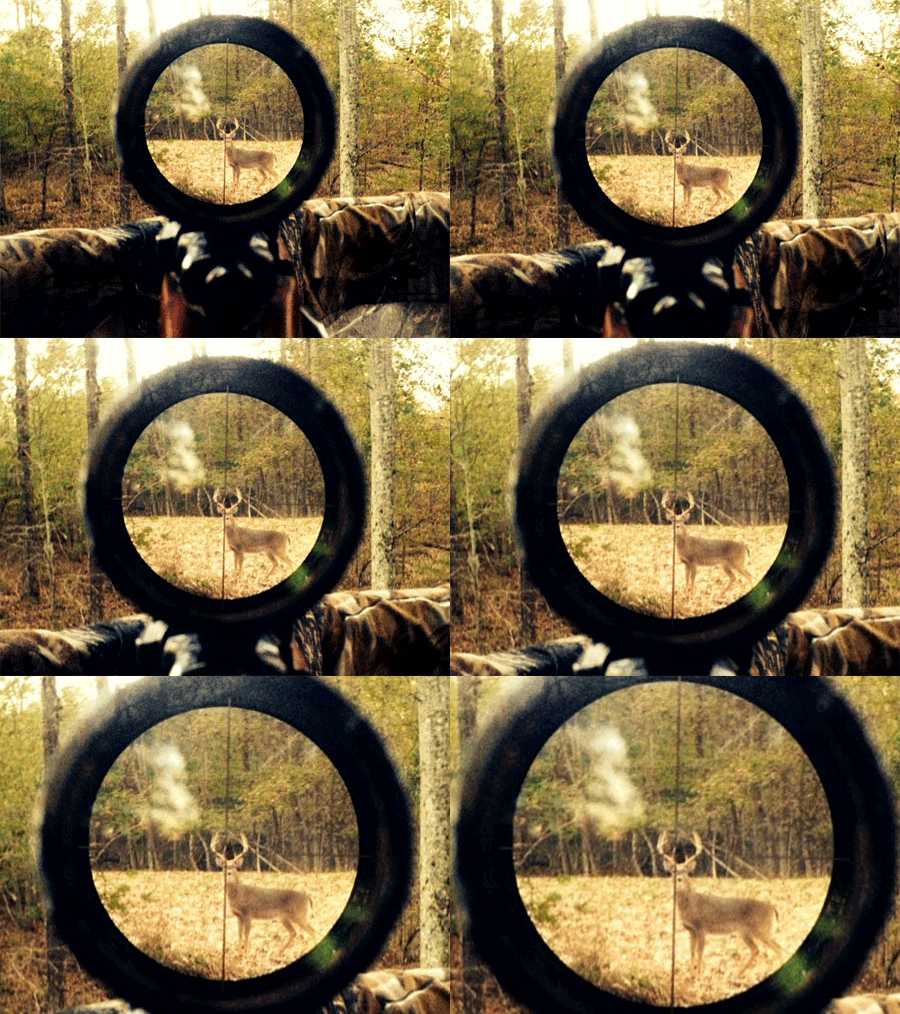
Although it is difficult to communicate without a visual representation, it helps to understand the difference between FFP and SFP if the reader imagines an object in their sightline. When peering through a scope toward, say, a deer, the crosshair (or reticle) will be placed over top of the object and appear very small.  

When you increase the magnification of your scope, the reticle will become larger and take up more of the sightline in the eyepiece. In other words, the crosshair will appear larger, although it will remain consistent with the size of the deer since the deer will also increase in size when zoomed in further.

For those with poor eyesight, FFP may be a safer option. This is because the shooter will be able to notice the reticle with greater ease than the SFP, which remains small relative to the target no matter the level of magnification.

Further, FFP scopes are generally considered superior for holdovers and hold-unders when targeting multiple objects. When using an FFP reticle, wind correction is also easier and faster according to many experienced long-distance shooters.

Second Focal Plane

The second focal plane (SFP) is an entirely different animal compared to the FFP. The main and obvious advantage of the SFP position is that the reticle will appear at a constant size to the shooter regardless of the level of magnification. This makes aiming a reliable and consistent experience that won’t “throw off” novice or beginner shooters.

When learning how to shoot, many prefer to use an SFP reticle. This is because it is easier to learn with than an FFP because there are no surprises during the aiming experience. Rather, the aiming process becomes predictable and consistent from start to finish. For those who shoot long range, this reticle position is usually not an ideal choice.

The benefit of an SFP over an FFP reticle is that the crosshair of an FFP will tend to remain small and thin then at low levels of magnification before suddenly becoming long and thick when at higher zoom settings. For many, this sudden change can be jarring and unsettling. Far too often we find that this change can ruin a novice’s shot before they even squeeze the trigger.

scope for hunting

via Giphy

Hunting


For hunting, SFP is generally considered to be inferior to FFP. However, this should not discourage hunters from investing in an SFP reticle if they feel they might prefer this style. Again, it largely comes down to a matter of personal preference when deciding on a first focal plane vs second focal plane.

The rationale behind why hunters prefer FFP is that it can be complicated and time-consuming to mentally calculate the size of one’s reticle relative to the target change during magnification adjustments. However, hunters who only shoot at long range with the same level of magnification will not have to worry about these issues.

Best SFP Reticles Scopes

To help you find the best SFP reticle scopes, our experts put together this list of the best on the market today.

Primary Arms 1-6x24mm SFP Scope

[amazon box=”B015ZZIPP6″ template=”horizontal”]

The Primary Arms 1-6x24mm SFP Scope is the all-around best option for novice shooters who want to learn how to transition to long or medium-range shooting. We recommend this device for its durable build, fantastic focal range, and patented CR2032 illumination.

Vortex Optics Viper HS-T 6-24x50 SFP Scope

[amazon box=”B00HYRGP4W” template=”horizontal”]

The Vortex Optics Viper HS-T 6-24x50 SFP Scope is a great scope for those who want a higher-end model than the Primary Arms 1-6x24mm. This scope provides excellent value for novice and veteran shooters alike who want to benefit from Vortex’s premium VMR-1 reticle and ultra-durable multi-coated lenses.

With the option of 24x magnification, this scope is the perfect choice for long distance shooters who want to stick with an SFP reticle option. Overall, our experience with this scope has been extremely positive and we would recommend it for any shooter who wants to master SFP-equipped shooting.


Best FFP Reticles Scopes

Finding a quality FFP reticle scope can be a real challenge these days. That is why our expert team hand-tested the finest on the market to put together this quick list of the best FFP reticle scopes in the industry.

Primary Arms Platinum Series 1-8x24 FFP

[amazon box=”B0157N4640″ template=”horizontal”]

For a budget-friendly FFP solution, we recommend checking out the Primary Arms Platinum Series 1-8x24 FFP reticle scope. Not only does this scope offer lots of versatility with a 1-8x magnification, but it is also among the most rugged and durable on the market. Made of premium aluminum alloy, this scope can take a serious beating before it starts to give way.

Nikon PROSTAFF 5 BDC 2.5-10x50 Scope

[amazon box=”B00BAHVBDC” template=”horizontal”]

The Nikon PROSTAFF 5 BDC 2.5-10x50 Scope is arguably the best FFP scope in its price range. This scope packs all the premium high-quality materials you would expect from a Nikon product, with an excellent warranty and return policy to back it. Overall, there is hardly any risk in trying out the Nikon PROSTAFF 5 if you want an industry-leading FFP reticle scope.

Monstrum Tactical 1-6x24 FFP Scope

[amazon box=”B01AB3T0HY” template=”horizontal”]

With a 1-6x magnification, the Monstrum Tactical 1-6x24 FFP Scope does not provide the greatest range. However, it features an excellent eye relief barrel and an easy-to-read reticle that is great for entry-level shooters. Plus, its aircraft-grade construction makes it a long-lasting device that will serve you well for many seasons.

Conclusions

In conclusion, it must be reiterated that the first focal plane vs second focal plane discussion is one that hinges on the shooter’s individual needs. For novice hunters and those unfamiliar with the intricate techniques inherent to long-distance shooting, SFP reticles are generally undesirable. However, FFP can offer faster readying and greater accuracy for veteran shooters.

Zeiss Scopes Brand Review: What Makes The Brand Unique

Zeiss and its 170 years of experience produce excellent optics. Read our review of Zeiss scopes to learn why they are leaders in this market.

Zeiss scopes are among the best products available. With 170 years of practice behind them, Zeiss employs strict quality control standards to ensure their models remain top choices for hunters, and their glass is exceptional. Hunters around the world trust Zeiss to provide them with great scopes they can rely on in any weather or hunting situation.

Beyond that, and for most avid hunters, Zeiss hunting optics don’t need an introduction. Gun and hunting enthusiasts recognize the name immediately, and the authority Zeiss exercises over the industry. Few optics makers share their attention to detail and quality, and hunting and optics experts swear by their glass.

Comparison Table

Product

Preview

Price

Zeiss Terra 3-9x42 RZ6 Riflescope

product photo of Zeiss Carl Optical Conquest

[amazon fields=”B00B0BBKO8″ value=”button” link_overwrite=”https://www.zeiss.com/sports-optics/en_de/hunting/service—support/download-centre/product-archive/terra-3x-riflescopes.html”]

Zeiss Optical Victory HT 3-12x56 Illuminated Reticle 60 Rifle Scope

product photo of Zeiss Carl Optical Victory HT 3-12x56 20 Plex Reticle Rifle Scope

[amazon fields=”B00B0BBKO8″ value=”button” link_overwrite=”https://www.zeiss.com/sports-optics/en_de/hunting/riflescopes/victory-riflescopes/victory-ht-riflescopes.html”]

Zeiss Terra 4-12x42 Plex
Riflescope

product photo of Carl Zeiss Terra 4-12x42 Plex Riflescope

[amazon fields=”B00B0BBKO8″ value=”button” link_overwrite=”https://www.zeiss.com/sports-optics/en_de/hunting/service—support/download-centre/product-archive/terra-3x-riflescopes.html”]

Zeiss Optical Conquest HD5 5-25x50 Rapid-Z 800 Ballistic Reticle Rifle Scope

[amazon fields=”B00B0BBKO8″ value=”thumb” image_size=”large” image_align=”center” image_height=”120″ image_width=”120″]

[amazon fields=”B00B0BBKO8″ value=”button”]

What Makes Zeiss Scopes Uniqueer Scopes

a rifle with scope on top of a rifle bag

Zeiss knows glass. It is that simple. Zeiss glass is everywhere you look from planes, automobiles, camera lenses, and some mobile phones. Their optics have literally been to the moon and back. In the optics industry, Zeiss glass and optics are the benchmarks. Their hunting scopes are no exception to the high standards they’ve set for their products.

The glass isn’t the only thing Zeiss offers in their optics, depending on the product, there are over 180 different types of glass used in Zeiss products along with precise mechanics. The mechanical parts keep your scope accurate through travel and the occasional bump while climbing in and out of your stand or taking your rifle out of your truck. If you’ve used a bargain scope before, you know it loses accuracy after you leave the shooting range.

Cheaper materials and mechanical parts are responsible for “loose” scopes. With Zeiss scopes, you'll get the same accuracy on the field and the firing range. Unless you drop your gun and it lands on the scope, the scope's precise mechanics won't vibrate loose, change your settings, or otherwise degrade during regular use.  

Showcasing Zeiss Scopes: A Few Favorites

If you've done any research yourself, you will recognize these scopes or at least one of them. We didn't choose our favorites based on price or personal experience. Instead, we looked at performance, sales, and customer comments or reviews.

The list of overall favorite Zeiss scopes is short but packed with high-quality scopes you can rely on to remain accurate, gather plenty of light, and perform above expectations.

​Zeiss Terra 3-9x42 RZ6 Riflescope

product photo of Zeiss Carl Optical Conquest

[amazon fields=”B00B0BBKO8″ value=”button” link_overwrite=”https://www.zeiss.com/sports-optics/en_de/hunting/service—support/download-centre/product-archive/terra-3x-riflescopes.html”]


We consider this scope an all-around scope. It performs well in low light conditions such as dusk and dawn hunts when heavy light collection is crucial. Visibility in low light is essential for safety and making sure you get a clean shot. For the money, at $ on Amazon, this scope is one of the most affordable Zeiss scopes.

Notable features:

  • Aluminum turret caps
  • MC anti-reflective coatings
  • Rz6 reticle
  • Rugged, anodized, and waterproof tube

Zeiss Optical
Victory HT 3-12x56
Illuminated Reticle 
60 Rifle Scope

product photo of Zeiss Carl Optical Victory HT 3-12x56 20 Plex Reticle Rifle Scope

[amazon fields=”B00B0BBKO8″ value=”button” link_overwrite=”https://www.zeiss.com/sports-optics/en_de/hunting/riflescopes/victory-riflescopes/victory-ht-riflescopes.html”]

This scope is perfect for mid-range shooting. Whether hunting, competition shooting, or recreational target practice, the Victory HT is the brightest scope in the Zeiss Victory series. It comes with a pretty large price tag, $$$ on Amazon, but it’s worth every cent. It’s one of the brightest scopes on the market thanks to the Schott HT glass and boasts 95% light transmission.  

Notable features:

  • 56mm diameter lens
  • Knurled turrets
  • Schott HT high light transmission glass
  • Fast focus eyepiece

Zeiss Terra 4-12x42 Plex
Riflescope

product photo of Carl Zeiss Terra 4-12x42 Plex Riflescope

[amazon fields=”B00B0BBKO8″ value=”button” link_overwrite=”https://www.zeiss.com/sports-optics/en_de/hunting/service—support/download-centre/product-archive/terra-3x-riflescopes.html”]

This scope is one of the more affordable in the Zeiss Terra series. You can order it from Amazon for $. If we were picking a favorite scope for low-light shooting at mid to long ranges, this scope is a strong contender. Its sturdy and compact design make it ideal for stalking. At the same time, it's an excellent choice for recreational shooting.

The reticle and crosshairs are suited for shooting large or small targets. They lack illumination, but the light collection on this scope is outstanding. The RZ8 reticle is suited for long shots using a large caliber gun such as the 300 Winchester Magnum, or smaller calibers for coyote or pest hunting. Bring all these features together, and this is a nearly perfect all-purpose scope.

Notable Features:

  • 44 MOA windage and elevation adjustment
  • MC AR coated optics for maximum light transfer
  • RZ8 reticle
  • Parallax free from 100 yards

Zeiss Optical Conquest HD5 5-25x50 Rapid-Z 800 Ballistic Reticle Rifle Scope

[amazon fields=”B00B0BBKO8″ value=”thumb” image_size=”large” image_align=”center” image_height=”350″ image_width=”350″]

[amazon fields=”B00B0BBKO8″ value=”button”]

This is one of the sharpest scopes in the Zeiss lineup. It features the Rapid-Z 800 reticle for accuracy at long ranges using large caliber ammo. It's designed with long-range shooters in mind with its 5x variable magnification, lockable turrets, and ballistic Rapid-Z 800 reticle. You'll get good use out of this scope on the range or a hunt. You can order it from Amazon for $$.

Notable features:

  • Rapid-Z 800 ballistic reticle
  • Second focal plane
  • 50 MOA windage adjustment
  • 70 MOA elevation adjustment
  • Fast focus eyepiece

Any of these scopes is an excellent choice for hunting or recreational shooting. They're all suited for mid to long range shooting, even the scopes designed for long range work well at mid ranges if necessary. You’ll need to decide how far your average shots are and choose accordingly. Unlike economy scopes, you won’t lose accuracy with repeated shots from large caliber guns. They can take the recoil.

Let’s Talk Price

a soldier hiding and holding up a firearm with scope

Zeiss scopes are not cheap, but they're worth every dime. They have some of the highest light transfer among their competitors, and they're tough. You can find a Zeiss scope suited for any situation from recreational shooting to long range hunting. The scopes we highlighted above are favorites, but only represent a fraction of what is available.

You can’t talk about the price of Zeiss scopes without thinking about their competition. Leupold scopes are the first thing we think of when we think about competitors that have similar scopes, quality assurance, and durability. There isn't a huge price difference if we compare similar Zeiss and Leupold scopes.

Leupold’s Competition Series 45x45mm rings in at an MSRP of $$, and their VX-6 7-42x56mm has an MSRP of $$$. These aren't identical to the scopes we covered above, but they are similar in use, magnification, and quality. They're close enough that we can say Leupold is slightly less expensive than Zeiss, but we think Zeiss is better based on glass quality.

When you find yourself in the market for a new scope, it comes down to a choice of how much you want to invest compared to which scopes perform the best in specific situations. For instance, if you are a recreational shooter, low light shooting probably isn’t on the list of things to consider. However, if you are a hunter, you must deal with poor light conditions quite often.

We all want to save every dollar we can and buying a high-end scope is a substantial investment. That said, the price of the scope is less important than the quality and performance. If you have decided to buy a scope along the same quality lines as Zeiss, you have accepted the hefty price tag that comes attached to the scope. In the hunting optics world, you can’t find a quality economy scope.

Customers Love Zeiss Scopes

a hunter standing and aiming his gun by looking through the scope attached to his firearm

If you’re an avid hunter or shooter, you recognize the top of the line scope brands like Zeiss, Leupold, Burris, and Bushnell, to name a few. We all have our favorite brand and getting us to buy something else is no easy feat. However, if you don't have experience with Zeiss optics, we urge you to take a more in-depth look at their products.

Hunters and shooters that own Zeiss scopes swear by them. In a few minutes of searching popular hunting, shooting, and gun enthusiasts websites, we found hundreds of glowing reviews for Zeiss scopes. So, don't take our word for it; have a look for yourself. We think you'll see the gun community supports our stance on Zeiss scopes.

A large chunk of Zeiss customers praises their scopes mechanics and turrets. The scopes hold their settings during travel, rough hunting trips, and even a few bumps. Once you have your scope set, the only adjustments you’ll need are windage and elevation changes in the field.

Nothing ruins a hunting trip faster than seeing dirt fly up six feet to the left of your target because your scope didn’t handle the trip well or took a little bump on the way up the stand.

Some customers reported less than .5 centimeters change in groupings over a two-year period. We found several comments claiming similar results. Those comments alone are a testament to the quality of Zeiss scopes and their mechanics.

Customers commenting on how well the scopes hold their settings admitted that the only times they had to adjust their scope, aside from windage or elevation, was when their gun fell or was otherwise shocked pretty hard.

a person wearing a camouflage cover in his head and holding up a gun with scope

Customers had plenty to say about the scope's other great features as well. Brightness was a key talking point across all the comments or reviews we read. We can't review or test every scope Zeiss offers.

So, we look to customers to tell us about their experience with other models in the field. Brightness in low light situations and, as we mentioned above, the scope's internal mechanics are the reasons most customers say they continue to buy scopes made by Zeiss.

Many of the comments compared Zeiss scopes to other scopes the customers used in low light conditions. Competitions shooters don't deal with low light very often, but hunters find themselves trying to aim in low light all the time. Compared to economy scopes, Zeiss was a favorite among hunters, and their most significant reason for loving the scopes is their performance in low light.

The high-quality glass and coatings send Zeiss scopes soaring above the competition for light collection. Many customers claimed the light collection properties of these scopes is beyond compare. Nothing is indeed beyond compare, but these scopes do a fantastic job of collecting light and helping you find a target at dusk or dawn when light levels are low.

Other than the price, we didn't find many negative reviews or comments. Overall, customers are happy with their scopes. The few negative remarks we saw all came down to the price. Like we mentioned above, Zeiss scopes are not economy scopes. If you don't hunt or shoot often, the cost is too high to justify. Otherwise, you get what you pay for, and Zeiss scopes are worth the money.

Our Take on
Zeiss Scopes

close-up photo showing what you can see through a rifle scope

We firmly believe you will fall in love with these scopes if you try one. If you currently use another brand’s scope and have problems with the mechanics or light collection properties, give these scopes a chance. You won’t regret it, especially if you are used to economy scopes. Upgrading to a Zeiss scope from an economy scope is a tough decision, for the money, but we’re confident it’s the best choice.

The real choice is in your hands. Unboxing a $$$ scope is a great feeling but knowing that money netted you a top of the line scope is another feeling altogether. You have to decide if the money is worth it when compared to your needs.

If you don’t hunt very often and you aren’t a recreational shooter, these scopes are not the best choice for your money. A mid-tier scope is all you need for a few hunting trips a year or some occasional target practice with friends.

Conclusion

Zeiss is a leader in the optics world. They have exceptional light collection abilities and cutting-edge reticles. Their scopes are designed to perform in the best and worst weather conditions, and they exceed every expectation. The internal mechanics and turrets outperform the competition, and they hold their settings through travel, storage, and rugged use.

Zeiss scopes earned their spot among the leaders in optics and glass manufacturers. They've practiced for 170 years, and they led the race to 95 percent light transference. Don't take our word for it.

Try any of their scopes that fit your needs, and you'll see why we say they are in a class above most scopes. At the very least, talk to your friends that shoot or hunt and get their opinions on these scopes. We're betting they will tell you the same thing.

4 Best Vortex Strike Eagle Scopes & Buyer’s Guide

Whether you’re an experienced marksman or a recreational shooter searching for the perfect rifle scope, you’ll want to read this Vortex Strike Eagle review.  We take an in-depth look at the scope specs and performance and give you buying tips on the model that’s right for you.

Vortex Strike Eagle - Comparison Table

[amazon box=”B07HFJ4RDM, B003SIS2HY, B07C88HV8N, B00S2P2KKS ” template=”table”]

Scope Review: Vortex Strike Eagle Review

close-up photo of a scope attached to a rifle which a man is holding

Vortex Optics are making a name for themselves in the gun world, and their newest line of rifle scopes are getting rave reviews from users.  Both experienced marksmen and novice shooters alike are impressed by the quality and accuracy of their scopes, and in this Vortex Strike Eagle review, we take an in-depth look at the pros and cons.

We’ll give you a rundown of the specs, how the scopes work, and a detailed technical overview so that you know what you’re getting and what you’ll pay for it.  We’ve also included information about Vortex Optics, what users have to say about the Strike Eagle, and some thoughts on other scopes that might fit the bill too.

Finally, we wrap up with our unbiased opinion on whether the Vortex Strike Eagle is worth the money, and how you can save a little extra if you’re ready to buy.

In this Vortex Strike Eagle review, we’ll include information on each of the four options in the Strike Eagle Line.  They include the 4-24x50, 3-18x44, 1-8x24 and 1-6x24. 

Every one of these Vortex scopes is built to improve your accuracy on a variety of shots, including short and long range, as well as technical or tactical shooting.  They are best used on semi-automatic rifles like the AR15, Ruger Mini series, or the ARAK 21 that feature modern technology and are built for sporting or leisure.

Each of the Vortex Strike Eagle models includes a variable zoom that gives it versatility in a range of shooting situations, and users report that they work particularly well in competition or tactical shooting.  They also perform well in hunting situations, specifically when targeting small varmint or fast-moving predators. 

Here is a breakdown of the specifications on each of the models.

4-24x50

[amazon box=”B07HFJ4RDM” template=”horizontal”]

The Vortex Strike Eagle models are named by their magnification and objective lens size, and the 4-24x50 is the high-end model.  The most expensive of the bunch, it features magnification settings between 2 and 24 times and has the largest objective lens in the Strike Eagle models that measures 50mm in diameter. 

This model has an eye relief at 3.5 inches, and a wide field of view at 26.2-4.3 feet/100 yards.  The reticle is an EBR4, a favorite of long-distance shooters for it’s ranging abilities.  This feature makes it easy to determine an accurate range, make windage corrections, and get a lead on moving targets. 

The largest and heaviest option, the tube is 30 mm, it’s 14.9 inches long, and it weighs in at 25.6 ounces.  

From an adjustment standpoint, the 4-24x50 incorporates a tactical turret that’s easy to use, and has a .25 MOA graduation and travels 12 MOA per rotation.  This scope is limited to a max elevation and windage adjustment of 80 MOA, and the parallax setting is set at 20 yards to infinity.

3-18x44

[amazon box=”B003SIS2HY” template=”horizontal”]

For $ less, the 3-18x44 riflescope offers many of the same features as the higher end model, and many users find it to be comparable and equally as effective.

As its name suggests, it has a 3-18 x magnification and a 44mm objective lens diameter.  The eye relief has a range between 3.5 and 4.1 inches, and the field of view is 34.5-5.7 feet/100 yards.  It has the same EBR4 reticle as its more expensive counterpart.

If the weight of your rifle scope is an important factor, you’ll note that the 3-18x44 is both lighter and a bit smaller than the 4-24x50.  It has a 30mm tube and measures 13.5 inches long. It weighs 23.9 ounces.

This model also uses a tactical style turret with a .25 MOA graduation that travels 12 MOA per rotation.  Despite the same parallax setting of 20 yards to infinity, a notable difference is that the 3-18x44 has a max windage and elevation adjustment of 120 MOA.

1-8x24

[amazon box=”B07C88HV8N” template=”horizontal”]

Specifically designed for the AR-15, the Strike Eagle 1-8x24 is an adaptable option that’s perfectly suited to a variety of shooting needs and styles.  With a true 1x magnification included on the low end of the spectrum, you can use this scope for anything from home defense to recreational shooting with accuracy.  The 8x zoom range makes it easy to sight your target, and the 24mm objective lens is a versatile fan favorite. 

This model as a 3.5-inch eye relief and a 116.6-14.4 feet/100 yards field of view.  It has an AR-BDC2 glass-etched reticle that works notably well with 5.56 ammo.

The main difference between this and the 1-6x24, and the more expensive scopes listed above other than their magnification capacities and price is the turret style.  This model features a capped turret with 1/2 adjustment graduation.  

Every rotation has 44 MOA of travel, and you have a max elevation and wind age adjustment of 100 MOA.  The parallax setting on this model is an even 100 yards.

Despite its durable, high-quality construction, this scope is compact and lightweight.  The 30 mm tube is only 10 inches long, and it weighs just 16.5 ounces, making it the lightest weight option in the Strike Eagle line up.

1-6x24

[amazon box=”B00S2P2KKS” template=”horizontal”]

Although the Strike Eagle 1-6x24 is the least expensive scope in this class, it’s far from your basic entry-level model.  Perfect for AR shooters who need accuracy at a point-blank range, or those who want to extend their capabilities and see a crisp, clear visual on their target in a low-light situation.

Here you have a 1-6x magnification range and an objective lens that measure 24 mm.  Like the other scopes in this line, the eye relief is 3.5 inches, and the field of view comes in at 116.5-19.2 feet/100 yards.  The 1-6x24 has an AR-BDC reticle which is considered an entry-level option with it’s easy to sight centered red halo for simple target acquisition. 

This model also has a capped turret with a 1/2 MOA adjustment graduation that ravels 44 MOA per rotation.  You can adjust to a maximum of 140 MOA on both elevation and windage with this Vortex scope. Like it’s higher-end counterpart, the parallax setting is 100 yards.

The main difference outside of price and magnification between this model and the 1-8x24 is its size.  This option has a 30mm tube that is 10.5 inches long and heavier than the higher end model at 17.6 ounces. 

Buyer's Guide

Although each of the Strike Eagle models features a plethora of helpful features, their construction and technology are all relatively standard when you compare them to other rifle scopes.  However, there are two areas where Vortex products stand out in general that are worth mentioning when comparing to their competition.

VIP Warranty

a rifle with attached rifle scope set up in an outdoor shooting range

One of the reasons why Vortex products are so popular is because they are designed to be durable and reliable.  Users rarely report issues with their scopes, but when one arises, Vortex takes care of their customers. Their VIP Warranty program, which stands for Very Important Promise, guarantees that they will repair or replace their scope for free if it is defective or is damaged in any way.  

Unlike other manufacturers who offer limited warranties and won’t cover their products due to certain types of damage, Vortex doesn’t limit their coverage.  Their unlimited lifetime warranty doesn’t require a receipt, just that you contact the company and file a claim. 

The only caveats are if your scope gets lost or stolen, or if you deliberately damage it (and they can prove it). 

Value for the Money

In nearly every Vortex Strike Eagle review you read, you’ll notice that they always receive high-value ratings.  This is because each of these scopes features advanced technology that gives you military-grade optics at a fraction of the cost of their competitors.

If you compare these models to those with similar capabilities produced by other manufacturers, you’ll notice that the price point is anywhere from three to five times more than you’ll pay with a Vortex scope.  We’ve included a few comparisons below for reference. 

About Vortex Optics

One of the reasons shooters appreciate Vortex Optics as a company is because they are a local, American owned business who is passionate about their customers and their community.  They were founded in 1986 by a family that included veterans in south-central Wisconsin, and they have worked hard to deliver personalized service to their customers ever since.

Today they employ over 200 team members in the U.S. and distribute their products to gun enthusiasts worldwide.  

Pricing

The Vortex Strike Eagle scopes vary in price based on the model.  The 4-24x50 option retails for $$, and the 3-18x44 $$.

If you don’t need that much magnification, you can save some money.  The Strike Eagle 1-8x24 is priced at $$, and the 1-6x24 is an entry-level option at $.

You can also purchase accessories, like an optic cover, mounting kit, or cleaning kit for the scope.  They range in price from $ for the cap to $ for the mounting kit. 

There are no shortage of rifle scopes to choose from, and while the lineup of Vortex Strike Eagle products is impressive, there is lots of competition out there that have similar functionality.

For example, the Primary Arms 1-8x 24mm scope is nearly identical to the Strike Eagle 1-8x24 for a slightly lower price of around $.  It has a different reticle, the ACSS 5.56/.308, and weighs a bit less at 16.0 ounces, which makes it worth a look. However, it isn’t backed by the Vortex VIP Warranty, which could be a decision making factor if you’re hard on your equipment.

The Trijicon RS-27 is another 1-8x comparable model that includes First Focal Plane reticle technology.  This means that the reticle gets larger as you zoom in close, unlike the Second Focal Plane reticle that you see in the Vortex scopes where it stays a constant size regardless of how much you zoom.  Users report that FFP reticles tend to be more accurate and easier to use.

That said, the Trijicon costs upwards of $$$, which is a hefty investment for a potentially small advantage.  If the added accuracy at 8x magnification is important to you, it may make sense to look at another model outside of the Vortex Strike Eagle. 

What We Think

close-up photo of a scope attached to a rifle

There are merits to each of the scopes in the Vortex Strike Eagle line.  Overall, the brand delivers optics that have versatile uses and combine modern technology and features into a user-friendly device.  

Not only do these scopes look the part, but they deliver with superior performance for both short and long-range targets.  The biggest selling point of these models is the price. They offer the same capabilities as many competitors for a fraction of the cost and also boast the Vortex VIP Warranty which could save you hundreds in the long run.

Which scope is best for you will depend on several factors.  What you plan to use it for, how you most often shoot your rifle, and your budget will help you narrow down your options.  Regardless of which you choose, our Vortex Strike Eagle review is that they are overall a budget-friendly choice that delivers excellent performance in a range of conditions.

Coupons and Deals

Although they don’t come around often, you can sometimes find manufacturer rebates on some of the Vortex Strike Eagle products online.  When you do, they usually offer you up to 20% off your purchase. Keep an eye out for these offers, and don’t be afraid to ask at your local gun shop if there are any unadvertised specials that you can use.

Scope Review: EOTech 518

eotech

In the realm of holographic weapon sights, EOTech is king, and one of their crown jewels is the EOTech 518. It's one of the best products from the top producer in its industry. But is it worth the price? That brand name power and fancy features don't come cheap. Do you really need all that stuff? Should you buy a sight that is more expensive than some guns on the market?

Let's find out by going over the specs and how the EOTech 518 performs. But first, let's get an idea of why the EOTech name garners such respect and high prices. We also look at how these types of holographic sights function, as well as which parts are essential and which features are fluff.


The EOTech 518: What Makes it Unique


On to the main course. Released in 2015, the EOTech 518 has been one of the company's best sellers, and for a good reason. It is the natural evolution of the EOTech 512 with several small tweaks and additions. Except for some small preferential differences, users regard all of these changes as positive.

It performs better than its predecessors and has several new additions that make it a more complete and robust tool. Let’s go in depth and examine it from all of the angles.

[amazon fields=”B00OKIKSTQ” value=”thumb” image_size=”large” image_align=”center”]
[amazon fields=”B00OKIKSTQ” value=”button”]

Quality

Price

Our Rating

$ $

The Basics

The EOTech 518 is made in the USA. An important distinction for some, as several other high-profile optics manufacturers have outsourced labor to bring costs down such as Burris or Bushnell. As you’ll see later, though, that “Made in the U.S.A.” sticker comes at a cost.

Pros:

The housing of the sight is made of high-grade aluminum and, of course, comes in tacticool black. All EOTech holosights, like the Eotech XPS2 and Eotech 512.165 that we recently reviewed the 518 can take a beating and a splashing and still keep working away. There is little difference between their civilian and mil-spec models, so their customers are getting combat grade optics. You can submerge this baby in up to 10ft of water with no problems!

The EOTech 518 is powered by two AA alkaline or lithium batteries. Any common kind will do, disposable or rechargeable. Most holosights require at least this much battery power due to the energy demands of the laser apparatuses within the sight. A rechargeable would not retain a charge long enough to be useful and would be inconvenient if it gave out in the field.

Cons:

At this point, there is no way around the two AA battery limitation. It's the best option, though as others require the rarer batteries like the 123-lithium battery.

Specs

The exact specifications of the EOTech 518 are as follows:

  • Length: 5.6 inches
  • Weight: 13.8 ounces
  • Magnification: 1
  • Reticle Color: Red
  • Reticle Size: 68 MOA Circle With 1 MOA Dot
  • Finish: Matte

Performance

The EOTech 518 performs every bit as well as its predecessor and surpasses it in some areas. It is reliable, and the reticle is crisp and clear when adjusted properly. The aperture is also very clear and is highly resistant to damage, smudges and condensation. It's especially proficient at aiding fast target acquisition with two-eye-open shooting, as it holds its reticle on target firmly even when using full auto fire.

Ease of Use

One of the primary differences between the 518 and the 512 is that the newer model features a quick disconnect system for mounting and demounting the device. Other, older models employ standard rail attachment systems which take longer to remove or connect and sometimes requires tools.

The EOTech 518 detaches in seconds with a few presses and clicks for easy and quick removal or activation. Despite being a quicker system, the quick disconnect feature does not seem to make the sight any less firmly attached to a weapon. The performance is comparable to that of the old style of attachment, just faster.

Magnification Compatibility and Adjustment Buttons

While the image shown by the 518 is not magnified in any way, it is compatible with a magnifier. These devices, sold separately, attached to the rear of the holosight and usually can be flipped to the side when not in use.

In this way, the operator can swap between 1X magnification to a higher magnification in an instant to compensate for evolving engagements and conditions. EOTech also sells their own magnifiers if you want one with the same brand name clout and quality.

To make the sight even more compatible, EOTech designed their 518 with the adjustment buttons on the side. This way, if the operator wishes to adjust the brightness of the sight, they need not flip the magnifier out of the way first. Also, line of sight need not be broken to adjust the sight, as you can now adjust it while still viewing through the holosight instead of looking at our hand.

This improvement might have some drawbacks, however. Before, with the rear mounted buttons, the adjustment procedure was ambidextrous. Now, left-handed shooters are at something of a disadvantage as they will have to either reach over the top of the sight to adjust it or remove their left hand from the trigger to do it.

Neither situation is ideal, but EOTech found that the pros outweigh the cons, even for the small population of lefties out there.

Laser Battery Cap

The 518 is also compatible with the Laser Battery Cap (LBC). This little doodad replaces the existing battery cap on the holosight and implements a laser targeting device seamlessly installed so the two devices can work in tandem.

The LBC can emit a standard red visible laser or a civilian IR laser for use in low light conditions. Unfortunately, the LBC is sold separately by EOTech and does not come standard. It also isn't cheap, costing nearly as much as the holosight itself. Still, it looks almost irresistibly cool and sleek.

Night Vision Compatibility

The EOTech 518 is not compatible with night vision systems. However, its sister model, the EOTech 558 is. The 558 is virtually identical to the 518, with the exceptions of its night vision compatibility and of course its price. The 558 also comes with several extra settings that are required to fine tune to sight to pair better with a night vision device.

Pricing

The MSRP of an EOTech is $529, while the MSRP of the 558 is $629. As the products are now a few years old, they can be found for less online, but not much less. These are still premium, top of the line sights and likely won’t fall too far in price any time soon.

If you like the sight, but want to save some money, you could spring for the older 512 model. You'll save a few bucks, but not many. EOTech charges a lot for their quality and reliability, and their many customers believe it is worth it.

If you want to get a holosight on the cheap, you'll have to browse other brands or find a suitable knock-off. Some of these holosight clones perform admirably, but if it's the best you want, then EOTech is your company.


EOTech: The First and (Arguably) Best


Best Eotech

EOTech was founded in Ann Arbor Michigan in 1995. They set out to produce and commercialize their breakthrough in the weapon sight field: the holographic sight (more on that later). In the years since they have maintained much of their dominance in the industry and is second only to perhaps Aimpoint in name recognition and reputation.

EOTech has built up their fortunes not only with civilian sales but with lucrative military contracts as well. Since 1996, EOTech has been providing holographic sights for the U.S. military for use with small arms as well as some heavier weaponry such as grenade launchers. Several foreign militaries also make use of their products.

Time to address the elephant in the room. EOTech has been mired in controversy a few times in its history. Most recently, EOTech's parent company L-3 paid a large sum of money after being accused of fraud by the U.S. military.

The company failed to warn the military about possible shortfalls and defects of their holographic sights. In extremely hot or cold temperatures, there was a significant shift in zero causing poor accuracy even after returning to ambient temperatures.

Their main competitor, Aimpoint has pulled ahead of EOTech somewhat, but that shouldn’t dissuade you. Any civilian operator is not likely to experience these defects, which have already been addressed and mitigated. Regardless, EOTech has been offering refunds to any users who experienced those defects.


The Holosight


eotech 518 Holosight

The holographic sight also called a "holosight", is an alternative to the reflector or "red-dot" sight first invented by Aimpoint. It has several advantages over its predecessor, but also some drawbacks. Let's go over these functions to see how the EOTech 518 performs.

Reticle

Reticle

Holographic sights are considered to be more precise and accurate as their reticles are crisper and more customizable. Since the reticle is produced in three dimensions into a holographic film and not reflected, its shape, color, position and size can be adjusted on the fly. Many users rate the holosights as better for rapid target acquisition, but that is far from a universal truth.

Power

Power

Holosight technology is a bit more complex, as it employs lasers to create its reticle image. As such they require batteries, usually common AAs, to power their more resource hungry technology. The result is shorter battery life and more frequent swaps if it's being used heavily. Aimpoints use an LED for their simpler reticles, and as such, they can measure their battery life in the 10s of thousands of hours.

Durability

Durability

As military grade hardware, these sights have to be able to take a beating. Holosights claim the be able to handle shocks, drops, all kinds of weather and even being submerged. A good holosight must live up to its reputation as a rugged military and law enforcement necessity.

Two Eye Open Shooting

Two Eye Open Shooting

One of the main advantages of holosights over traditional iron sights is the ability to shoot with both eyes open. Since the holosights viewing window is so large, you can use both eyes to view your target. Additionally, there is no parallax; you do not need to align anything together due to distance like front and rear sights.

Not only does this allow for easier and quicker target acquisition, but it also increases peripheral vision and situational awareness. This advantage makes holosights especially useful in close quarters.

Cross dominant eye shooters (operators whose dominant hand and eye are on different sides of their bodies) also find benefit with the holosight, as they need not choose which eye to use and can simply keep both eyes open.


The EOtech 518: What We Think


The 518 is great. There's really not much to it. It is one of the best sights out there and leaves its competition in the dust. We like getting the best gear for our weapons (within reason) because shooting is like football; it's a game of inches and every edge counts. To get the best optics edge, EOTech is the way to go, and their 518 is a great all-around option with its ease of use and compatibility with both easy to find AA batteries and magnifiers.

[amazon box=”B00OKIKSTQ” template=”horizontal”]

The main drawback of the 518 is its price. Having the best gear is great if you can pay for it, and EOTech asks a lot. Is it worth the price? Well, you'll have to ask yourself how much cash you have to drop and if you really need mil spec optics. Not everyone does need the quality that EOtech offers and not everyone can afford it.

You can get a fine optics experience from much cheaper holographic or even reflector and ACOG sights. Hardcore (and well-funded) gun nuts will love the 518, while more casual shooters probably won't get their money's worth and can settle for less.