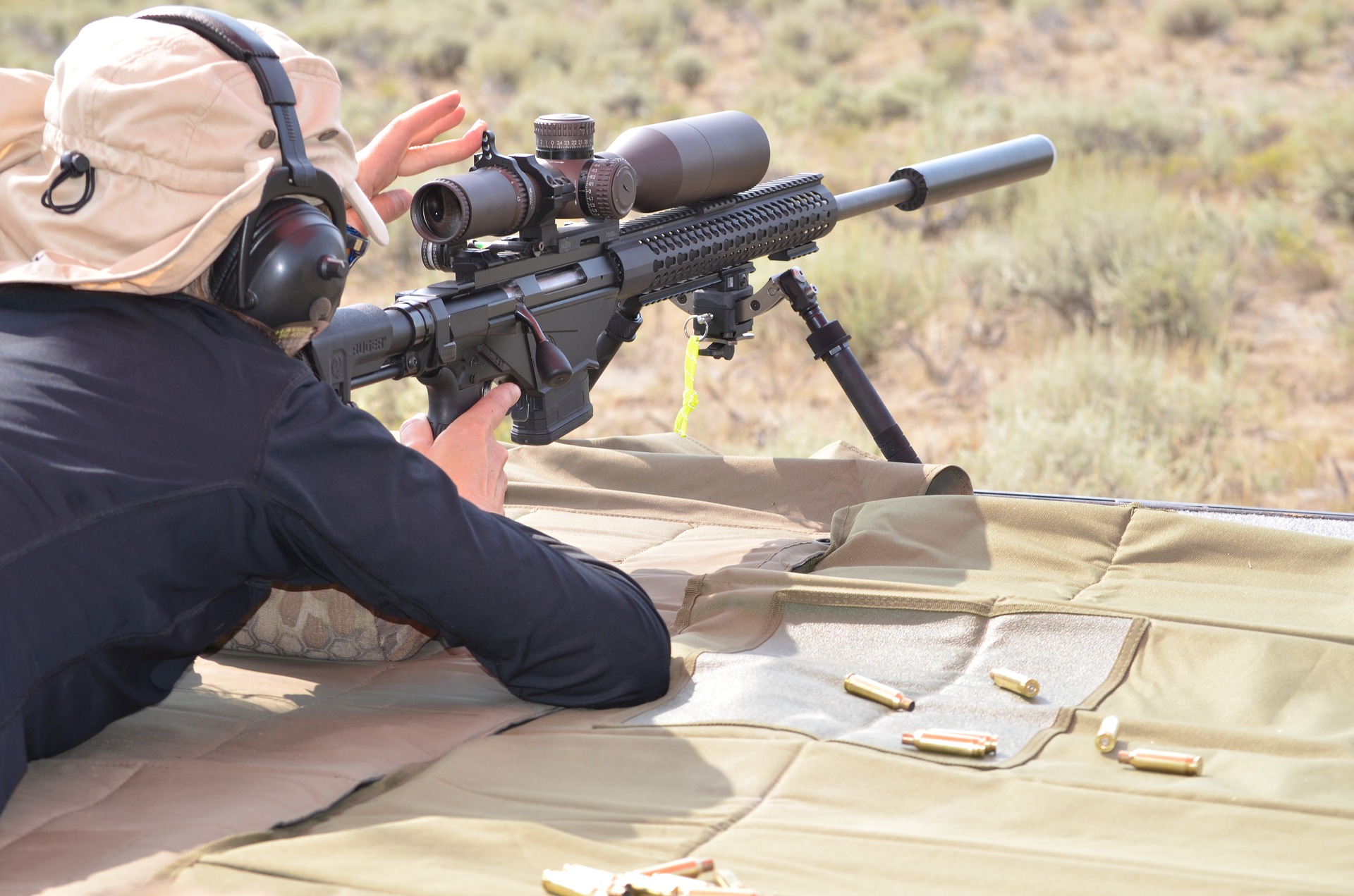
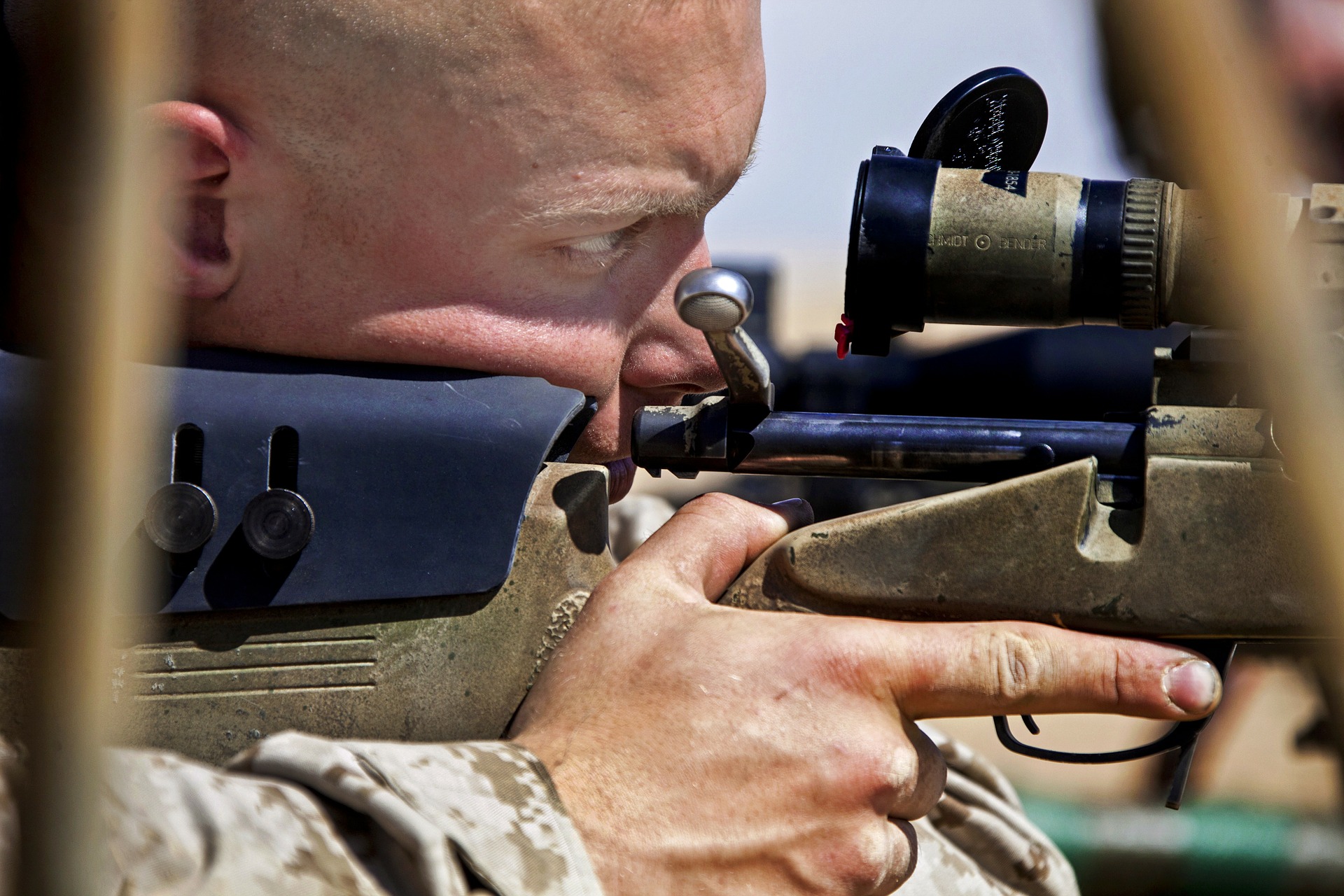
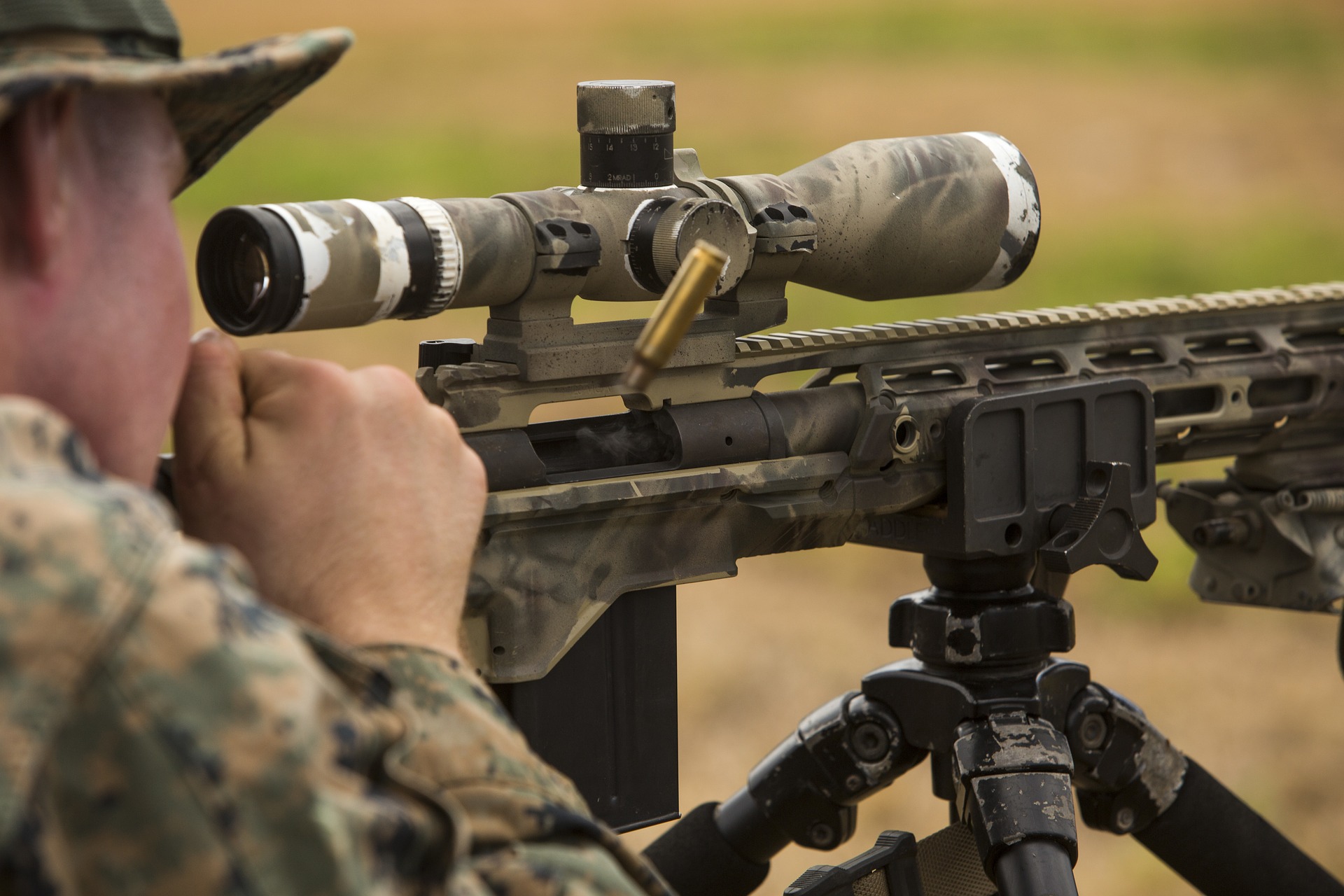
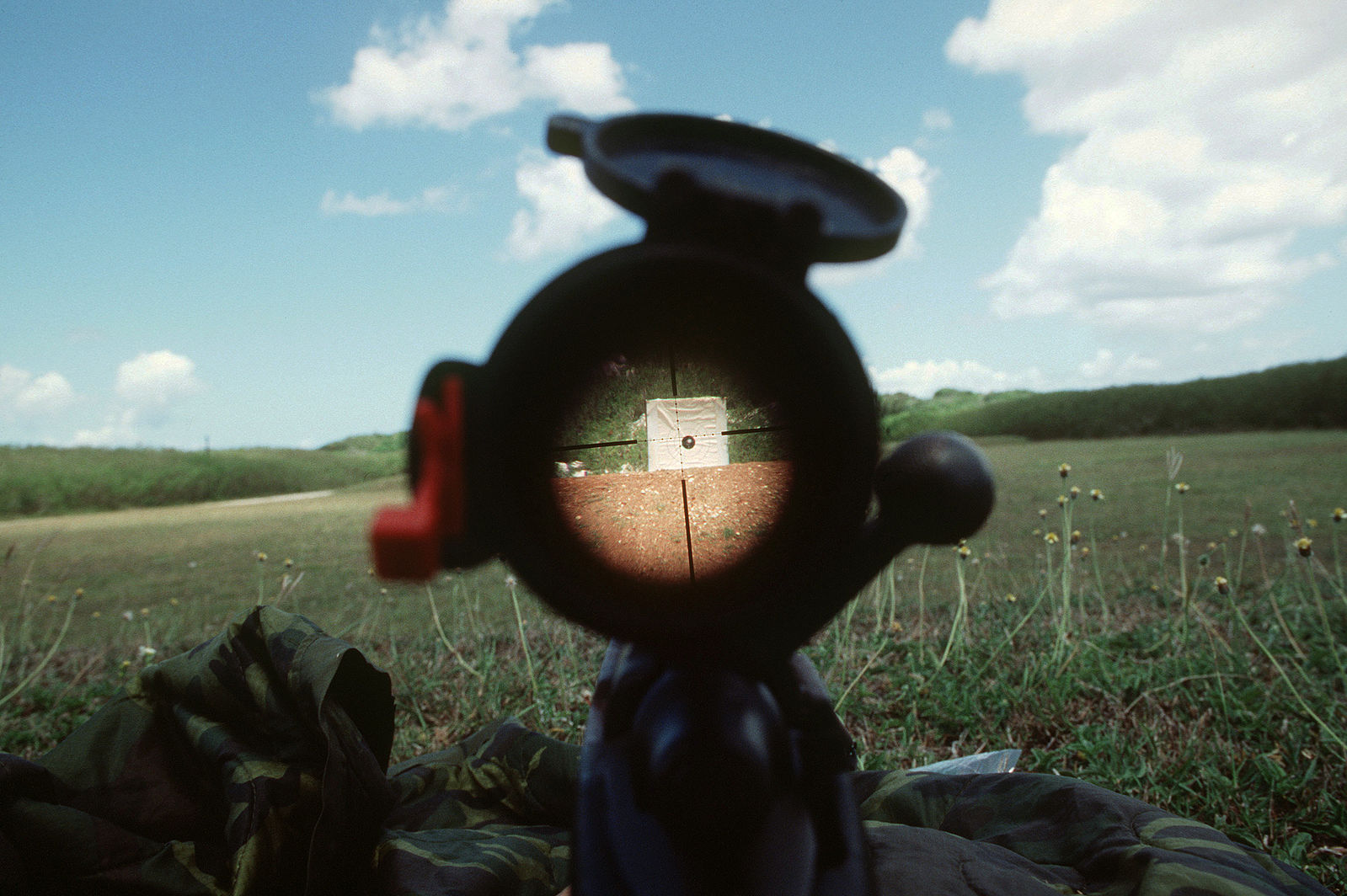
Best 4x Scope: List Of Top 10 Picks And Buying Guide

Every long gun enthusiast needs a reliable 4x scope if they want to land the perfect shot. When it comes to shooting, there is nothing more important than accuracy. That is why our rifle experts put together this definitive list of the best 4x scope products on the market today.

Want to discover the best 4x scope for your rifle? In this article, our firearm professionals review the top optical sighting devices for rifles to get the best shot every time. Read on to discover which scopes are a bust, and which will ensure your aiming true when you pull the trigger.

Comparison Table - 4x Scopes

[amazon box=”B01BBTS3JI, B0000V2BYM, B00EXV4G20, B01GHSY0SQ, B006U0Z59A, B00ABP5UXG, B071FXM8JK, B005NHA122, B01GAETRNA, B01FXKYURU” template=”table”]

What is a 4x Scope?

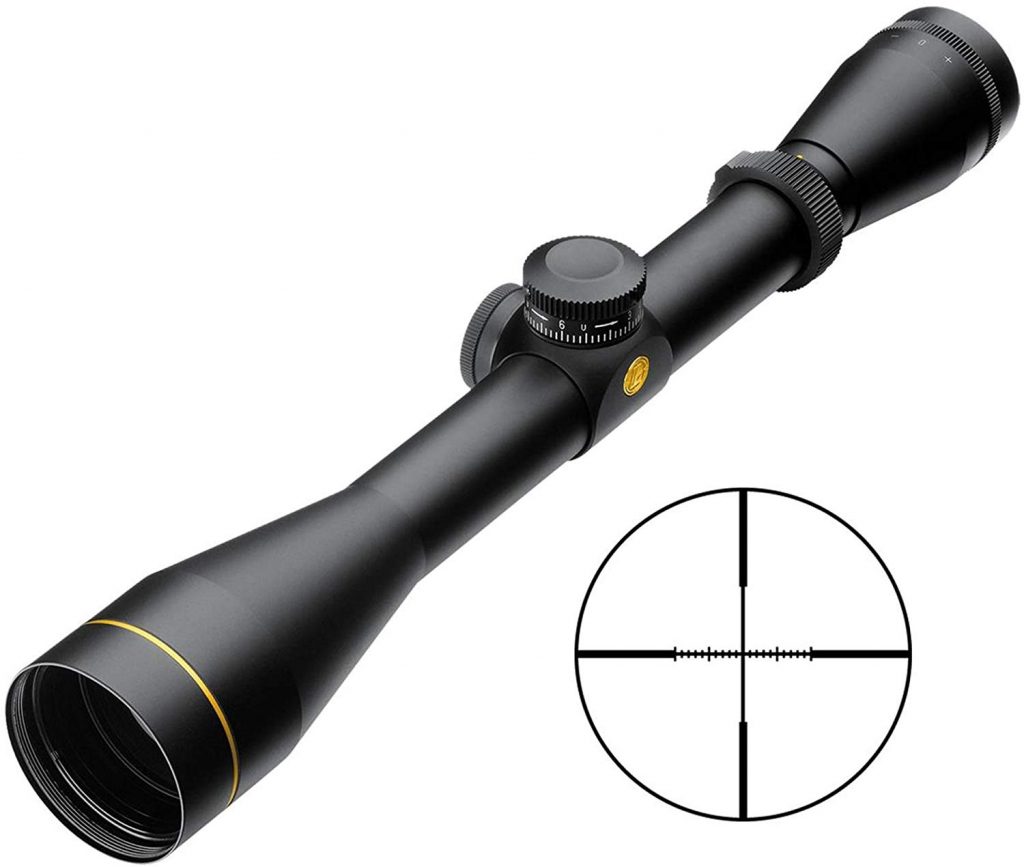
Before listing our favorite 4x scope products on the market, it is important first to flesh out exactly what these products are. The 4x scope is a kind of telescopic lens, or scope, that magnifies objects in your gun’s crosshairs by four times. Having increased magnification makes targeting easier for the shooter, which results in greater accuracy.

Scopes are classified according to their optical magnification (i.e., 4x) and their objective lens diameter (i.e., 30 mm, 50 mm, etc.). The latter refers to the diameter of the lens within the scope; broadly, larger objective lenses result in more light entering the scope and thus a brighter image in the eyepiece. Shooters should select their lens diameter according to their individual purposes.

Although scopes once had an objective lens of 20 mm or smaller, it is now common to find much larger lenses on store shelves. Technological upgrades in lens technology have improved the state of scope magnification over the years, which is one of the reasons why target shooting is far more competitive than it once was in the early days of the sport.

How We Choose Our Ratings

armed man holding a rifle

Image Source: Unsplash

At RifleScopeCenter, we understand that your trust is earned and not given. We do not take your trust for granted. Rather, with every product we review we pledge to always provide the most accurate and bias-free feedback possible. We believe that this is integral for earning your trust and winning your loyalty as a reader.

How do we plan on earning your loyalty? By providing the best scope and firearm reviews on the web. To do this, we promise never to accept financial compensation from product manufacturers or affiliate groups. We believe that doing otherwise would compromise our independence and our objectivity. We also believe that this is simply the right thing to do.

To produce the most accurate reviews, we always scrutinize our products from a multitude of angles. For example, we consider a wide variety of factors such as cost, shipping and handling, durability, build quality, materials used, warranty, return policy, and aesthetics. By doing this, we believe we arrive at the most holistic and bias-free content for our readers.

List of Best 4x Scopes

Without further ado, let’s get into the main purpose of today’s article. Below, we have ranked and reviewed our favorite 4x scopes. Each of the scopes enumerated below has been hand-tested by our experts and are among a list of several dozen products that we tested out over the past few weeks.

CVLIFE 4x32 Rifle Scope

[amazon box=”B01BBTS3JI” template=”horizontal”]

The CVLIFE 4x32 Rifle Scope is among the best in the business on several counts. First, this scope is made of fine optical glass that you can tell is highly durable from the moment you peer through the eyepiece. The field of view is wide and crystal clear for a dead-on shot every time. Ultimately, our first impression of this scope was extremely positive.

Further, we love that this scope is made of aluminum alloy in one-piece tube construction. Too often we find that scopes are made from multiple connected pieces, which tend to come undone when you need them the most. However, this scope comes up big in the right moments thanks to its highly durable build, excellent material quality, and, of course, its unbeatable price.

TASCO Pronghorn 4x32 Reticle Scope

[amazon box=”B0000V2BYM” template=”horizontal”]

The TASCO Pronghorn 4x32 Reticle Scope is one of our favorite budget-friendly rifle scopes. One thing that stood out immediately after taking this product out of the box was its magnificent aesthetics and build design. Compared to most other aluminum scopes, the TASCO Pronghorn is a marvel. However, looks unfortunately do not mean much in the world of shooting.

With a matte finish and a great one-year warranty with no questions asked, the TASCO Pronghorn makes for an excellent scope no matter what kind of shooting experience you have under your belt. However, we feel like the price point is a bit too high for what is an entry-level device and the eyepiece clarity could do with some improvements.

Ade Advanced Optics 4x32 Fixed Scope

[amazon box=”B00EXV4G20″ template=”horizontal”]

The Ade Advanced Optics 4x32 Fixed Scope is a beautiful tactical sight scope with an assortment of weaver slots for your convenience. This scope features a 3.5-inch relief for your eye and measures six inches in length, making it extremely compact and lightweight. Plus, this thing is built to last as it is made of 6061 T6 aircraft-grade metals.

Unlike most of its competitors, the Ade Advanced Optics scope has a brightly illuminated red-green-blue rapid range glass reticle for easy aiming and a great sightline. Additionally, this scope is 100% shockproof and resistant to water which makes it a fantastic choice for backcountry missions and tactical operations.

CVLIFE 4x32 Tactical Optic Scope

[amazon box=”B01GHSY0SQ” template=”horizontal”]

The CVLIFE 4x32 Tactical Optic Scope is set apart from its non-tactical counterpart for several key reasons. For one, this scope has a far lighter fiber optic build, which makes it fantastic for long hunting trips and backcountry excursions. Its lightweight build also happens to look a lot better and appear more compact than its non-tactical variant.

Ultimately, we were thrilled when we upgraded to the CVLIFE 4x32 tactical edition. This product is suitable for all-weather conditions and is resistant to water and fog which makes it a great choice if your vision might be impaired by natural elements. Once you hold this scope in your hands, you will realize why it is considered one of the best in its class.

Simmons 22 TruPlexReticle 4x32 Scope

[amazon box=”B006U0Z59A” template=”horizontal”]

Ranking among the finest fixed scopes on the market today, the Simmons 22 Mag TruPlexReticle Scope is a sleek and sharp-looking black matte optical scope appropriate for everyone from novice to veteran hunters. Made with the highest-quality glass, this scope features vivid contrast down the sightline for easy aiming and pinpoint accuracy.

In our experience, we were delighted by the Simmons 22 TruPlexReticle. This is because the scope is super lightweight, made of best-in-class materials, and has convenient rimfire rings that mount directly on top of the scope. For greater strength and a better shot every time, we recommend trusting the experts at Simmons with their latest TruPlexReticle series scope.

Bushnell Optics Drop Zone 223 Reticle Scope

[amazon box=”B00ABP5UXG” template=”horizontal”]

The Bushnell Optics Drop Zone 223 Reticle Scope is a fantastic all-purpose scope with some of the best technical specifications to back it. Featuring Bushnell’s signature Drop Zone-223 ballistic reticle, this scope is calibrated for 55-62 grain and aiming points up to 500 yards away. Plus, the target turrets are adjusted for pinpoint precision up to half a mile in distance.

At 30mm tube diameter, the Bushnell Optics Drop Zone 223 is one of the best in its class. With a fast-focus eyepiece, we found that we were able to quickly lock onto our targets within one or two seconds and fire with perfect accuracy. With little rattle or recoil, this scope aims true with every shot and removes the need for shock absorbers or any added peripherals.

Nikon Buckmasters II 4-12x40 BDC Reticle

[amazon box=”B071FXM8JK” template=”horizontal”]

Nikon has proven that it is not only a camera lens company with the Buckmasters II 4-12x40 BDC Reticle Scope. This scope is made with the quality you would expect from a brand name like Nikon, featuring some of the best glass you will find in a rifle scope. The reticle in this product is extremely bright and allows for a perfect high-res image even when hunting at night.

Built with Nikon’s patented BDC reticle technology, the Nikon Buckmasters II is one of the best products on the market for advanced hunters and those looking to gain an edge in competition. Whether you are hunting at dusk or dawn, the Buckmasters II is a fine choice of scope at 4x magnification. To boot, it has all the same anti-shock and waterproof features as its rival scopes.

UTG 4-16x44 Scope

[amazon box=”B005NHA122″ template=”horizontal”]

The UTG 4-16x44 Scope is easily one of the better 30mm reticle scopes on the market for entry-level and novice shooters. This scope features a magnificent emerald lens and allows for maximum light transmission for a clear, dead-on shot every time you pull the trigger. Plus, the scope is rainproof and shock-proof for a reliable shot regardless of the weather at hand.

Overall, we were happy with our purchase of the UTG 4-16x44 Scope. As one of the best non-fixed optical lenses for rifles, it is a great product for learning how to aim with pinpoint accuracy at varying target distances. Plus, patented 1-Click technology and quick selector rings make readying the gun a breeze compared to similarly priced products on the market.

UUQ Prism 4x32 Reticle Scope

[amazon box=”B01GAETRNA” template=”horizontal”]

The UUQ Prism 4x32 Reticle Scope is a formidable scope with one of the best warranties in the industry. Backed by a 100% Satisfaction Guarantee Warranty over 12 months, the UUQ Prism is a great option for those who want a risk-free investment in a quality scope. Made of premium carbon fiber, this scope is also lightweight and easy to adjust and install.

Despite its great value, we were a little disappointed in the bulkiness of this scope. After installing on our gun, we found that it made our gun look wider and bit more unwieldy. In other words, we found that this scope is a bit ugly compared to similarly priced scopes on the market. Nonetheless, the UUQ Prism is a great option for budget-minded shooters.

UUQ 2.5-10x40 Rifle Scope

[amazon box=”B01FXKYURU” template=”horizontal”]

The UUQ 2.5-10x40 Rifle Scope is a reticle scope for intermediate to advanced shooters and hunters. This product features red and green illuminated mil-dot reticle crosshairs and a whopping 40mm objective lens for great accuracy for every shot. Plus, 20mm rail mounts back it easy to attach to any firearm you might own.

Our overall impression of this scope was overwhelmingly positive from the moment we first held it in our hands. This is a high-quality, durable, lightweight rifle scope that is meant for serious hunters and shooters. A tubeless design, this product will not attach even after years of wear and tends to outlast most other products in its price range.

Buyer's Guide
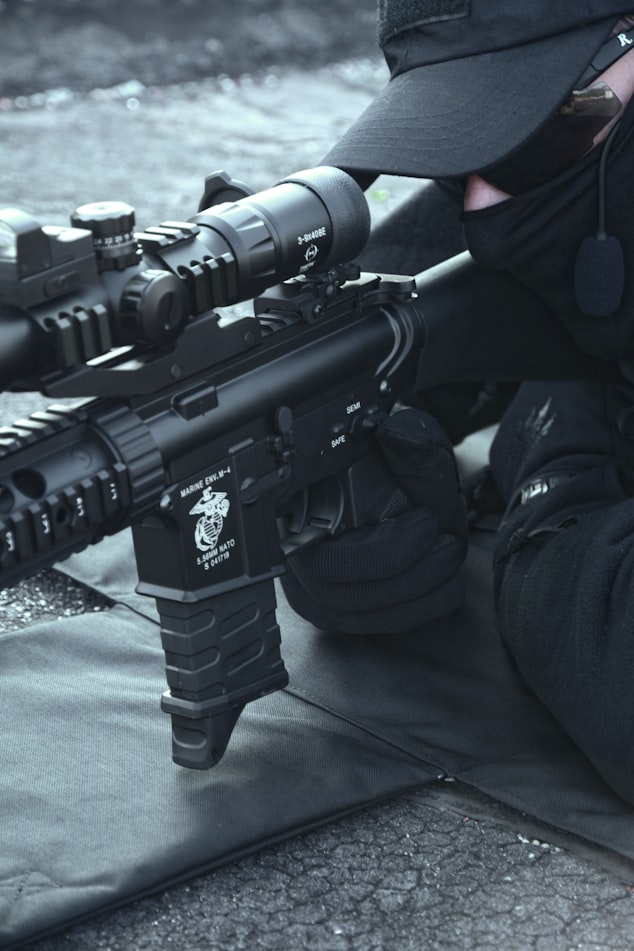
black and white photo of a man preparing to use a rifle with 4x scope during a target practice shooting

Image Source: Unsplash

A lot goes into buying the perfect 4x scope. There is a wealth of information that goes into sourcing the right brand and model and, honestly, it can become a little overwhelming—even for veteran shooters. To help you make an informed purchase without overloading you with information, we put together this quick point-form list of the top takeaways from today’s article.

1

Point 1 

Look for the brand names you can trust, like Nikon, Vortex, Simmons, and CVLIFE

2

Point 2 

Rainproof and fog-proof models are a must for backcountry shooters

3

Point 3

Fiber optic scopes are superior to aluminum builds on almost all counts

4

Point 4

Most rifle scopes have an objective lens diameter between 30 and 42mm

5

Point 5

Seek out models with a 12-month warranty if possible

Simmons 3 9×32 Review: Pros, Cons, and Best Uses

Simmons 3 9x32 rifle scope

When you hear the name Simmons, you likely think of quality and that holds true for all their products. But do you know about the Simmons 3 9×32 scope specifically? If not, you need to give it your consideration to see if it’s the right fit for your rifle. After all, you want something that’s the most accurate so you can make the perfect shot every time.

[amazon fields=”B000KOSB34″ value=”thumb” image_size=”large” image_align=”center”]

[amazon fields=”B000KOSB34″ value=”button”]

To discover how a Simmons 3 9×32 holds up we’ll need to weigh pros, cons and other factors. In this Simmons 3 9×32 review we won’t simply look at individual factors either. We’ll use this Simmons 3 9×32 review to demonstrate how and why different people might benefit from it.

Simmons 3 9×32 Specs

  • Magnification: 3-9x.
  • Weight: 10 oz.
  • Objective Diameter: 32mm.
  • Tube Size: 1″.
  • Eye Relief: 3.75″.
  • Parallax Setting: 50 yd.

Simmons 3 9×32 Pros and Cons

Pros

1. Single piece construction

One will note overall simplicity as a recurring theme in this Simmons 3 9×32 review. The word simple often comes with unfair connotations. Sometimes simple really is better. And this is very true for scope construction. It’s also something clearly on display with this particular scope.

The Simmons 3 9×32 comes as a single piece. It’s clearly constructed as singular entity rather than requiring separate pieces shoved in together. The end result there is a solid mass that can stand up to anything.

And in particular this type of construction favors large impact conditions. Even recoil from some intimidating firearms won’t hurt the Simmons 3 9×32.

2. High quality eyepiece

The Simmons 3 9×32 might seem like a discount option at first glance. Low cost often comes with low quality. But that’s certainly not the case here.

The eyepiece is very high quality. All in all, one can expect a clear and unobstructed view of the world. And that should remain true for almost all weather conditions.

3. Hydroshield coating

This is where the Simmons 3 9×32 moves from good to great. It comes with something more than fully coated optics. The coating is actually HydroShield. And it does exactly what the name implies.

The coating ensures that water won’t make any real impact on overall performance. This pushes it into a perfect combination with any outdoor environments. Rain or even mist and fog become meaningless.

Cons

1. Less than optimal reticle

The optical remains one of the few areas where it feels like a budget scope. Right from the start, one notices lack of luxury additions. In particular there’s no illuminated options on the reticle.

Simmons calls it a truplex reticle. But it’s really more along the lines of a duplex reticle with some minor tweaks. Additionally the crosshairs tend to thin out near the article’s center. This might well cause some issues.

However, one should also note that the crosshair’s edge remains fairly thick. This is good in most respects. But it can create a somewhat odd contrast when trying to weigh a shot.

People become accustomed to these quirks fairly quickly. But it reduces one’s ability to quickly swap it out and go.

2. No parallax adjustment

Lack of parallax adjustment can turn a great scope into what’s simply a good one. That’s going to be the case for quite a few people interested in a Simmons 3 9×32. It’s really the only point that one should consider a huge issue. And in large part it’s probably the deciding trait.

It’s factory set to 50 yards and that’s that. If one needs parallax adjustment than it might end up being a final deciding factor. But otherwise one can safely ignore that complaint. The main reason there comes down to individual variation.

It’s a deciding factor in cases where parallax adjustment really factors in. At the same time, it really doesn’t factor in for a pretty good percentage of consumers.

Who Is This Product Best For?

It’s an ideal fit for a .22 rifle. As such, it matches fairly well with those usage conditions. Meaning it complements long distance shots perfectly. But short and even closer medium range shooting might not match up as well.

However, versatility is one of the Simmons 3’s strengths. As such one can move it into a variety of different conditions. The only area where it’d be fully inappropriate might end up as short distance target shooting.

Other than that use, one can easily consider it useful for anything. Though, again, it matches up best with a .22 rifle or similar.

[amazon box=”B000KOSB34″ template= “horizontal”]

Verdict

This Simmons 3 9×32 review paints an impressive picture. Most people come into it due to the price. But once people give it a chance they tend to rethink their opinions. It might come at a low price, but it’s far from low quality in overall performance.

A solid one-piece construction handles almost any amount of recoil. It fits one of the most useful frame factors on a rifle. And perhaps most importantly, the weatherproofing holds up against water-based issues.

An Honest Review of the Burris AR 332 Prism Sight

Burris AR 332 Prism Sight

If you have an AR-15, you want a sight to mount on it. But gun accessories can really add up, so you want quality without the hefty price that goes along with it. That’s why we decided to look at the Burris AR 332 Prism Sight to see if this optic is worth your time and money. After all, once you go to the trouble of mounting your sight, you want it to be perfect. So, what is the Burris AR 332 anyway?

Buttis AR 332 Details

The Burris AR 332 is a battery-powered, illuminated reticle scope with 3x fixed magnification. It comes with two choices in reticle designs, both of which provide for bullet trajectory compensation with 5.56 mm and 7.62 mm cartridges.

A 32’ field of view at 100 yards creates a background for a red, green, or black reticle, with five levels of illumination (brightness). Tethered protective caps cover ½ MOA elevation and windage adjustment dials mounted on a rugged waterproof frame.

Let’s take a look at the details, advantages, and disadvantages of the Burris AR 332.

All About the Burris AR 332 Prism Sight

Pros

1. Variable Brightness, Color, and Magnification

Perhaps the most positive feature of the Burris AR 332 is its ability to change with the shooting environment. Few optics in its price range feature both red and green illuminated reticles. Changing brightness is a given in most quality red dots, however, the AR owner who knows the importance of low-light shooting accuracy cherishes the green reticle feature.

Couple the choice in colors with the ability to still view the etched prism reticle when the battery is dead (or the scoped is turned off), and you’ve got most of your sighting contingencies covered. The 3x magnification extends effective range past the point of close-quarters engagement.

Burris AR 332

2. Accessory Mount Versatility

A unique feature of the Burris AR 332, especially in this class of optics, is the presence of Picatinny rail at the 12 o’clock, 3 o’clock, and 9 o’clock positions. For shooters who intend to mount a secondary laser sighting system to their optic, having the option to locate the laser in multiple positions may come in handy.

Left-handed shooters may welcome the choice, as well. The rails can also be removed in order to streamline the scope profile.

3. Ballistic CQ or Ballistic AR (3X) Reticles

The Burris AR 332 is available in two different reticle configurations. Short-range specialists may prefer the quick target acquisition of the Ballistic CQ reticle. The CQ is a broader-imaged reticle but does include bullet drop compensation dots for shots out to the medium range.

A sharper-lined, long-range alternative exists in the Ballistic AR reticle. The Ballistic AR provides more refined hash marks for bullet drop compensation and additional reference marks for windage adjustment.

4. Consistent Performance

Burris AR 332 optics ship with a mount compatible with flat-top ARs. Remove the included base, and the optic will mount to ARs with a carry handle. The Burris quick detach mount is available as an add-on for increased versatility.

On the glass, the Burris Hi-Lume® coating reduces glare and increases target clarity in low-light conditions. Like most Burris products, the Burris AR 332 comes with the Burris Forever Warranty, which follows the optic from one owner to the next.

Cons

Those who chase the idea of the perfect scope are eventually disappointed. Though the Burris AR 332 is a great value, it is not the ideal optic for every situation.

The Ballistic CQ excels in-close, but users may find it lacking for long-range targets. The reticle lines are fairly broad and may obscure targets at distances past a couple of hundred yards. Bullet drop compensation dots are present on the reticle; however, they lack the fine precision for most shooters’ eyes.

Battery life in the Burris AR 332 leaves a little to be desired. Forget to turn it off, and you will most likely be looking in your range bag for a spare CR2032 the next time you head to the range. Top-end optics in classes above the 332 have battery lives surpassing 10,000 or even 20,000 hours.

It’s a mid-range-priced 3x scope. With that being said, it may not be “go-to-war” durable. Though the nitrogen-filled body and rugged design can stand some punishment from the elements, the Burris AR 332 isn’t rated for the extremes of long-term battle use. There are scopes appropriate for horrible conditions, and they cost two or three times more than the optic we’re examining here.

While on the subject of “mid-range” vs. “top-end,” it should be mentioned that the Burris AR 332 might be a scope without a place. It’s not an entry-level optic, but it’s not the cream of the crop, either. You can spend a lot less on a basic sight, but for a few hundred dollars more, you can have the best. The 332 is caught in between.

[amazon box=”B005SYNDK2″ template= “horizontal”]

The Ideal Burris AR 332 Owner

Scopes designed specifically for the AR-15 are filling the market. New AR owners will see a great benefit from the Burris AR 332. It has great value when you consider the lower-priced, entry-level AR scopes. Taking a step up to a high-end optic wouldn’t make as much sense for the average recreational AR target shooter.

The 332 serves that purpose very well. Those shooters with higher quality ARs may appreciate this scope for more serious training while they save up for that top-quality scope later.

The Verdict

The popularity of the AR-15 has littered the shooting market with hundreds of accessories. Lights, lasers, sights, and scopes of every level of quality and every range of price fill the shelves of sporting goods stores and internet gun sites. Navigating these choices is daunting, but some things can be more certain.

The [amazon link=”B005SYNDK2″ title=”Burris AR 332″] is what it claims to be: an effective, yet affordable, magnified optic for a variety of AR-15 owners. Advancing from iron sights to a red dot, and then to a magnified scope is a sensible evolution of an AR shooter.

The affordability, durability, and versatility of this scope make it a serious contender for a permanent, or temporary home atop many ARs. Your AR-15 may be ready for a Burris AR 332 upgrade, too.

Scope Review: The C-more Red Dot You Need to Know

c-more red dot

If you’re a target shooter, competitive hunter, or simply a rifle enthusiast that likes to make every shot count, a C-More Red Dot might be the optic for you. From the moment we first laid hands on this thing, we knew it was the real deal. But, after catching wind of all the hype we were skeptical at first. In this review, we hope to dispel some of that skepticism in our readers.

If you have tested multiple red dot sights, you probably understand all too well that most of them are practically the same. Although cosmetic tweaks abound in the optics market, the functionality of the various devices rarely ever changes. However, the C-More Red Dot makes an honest attempt at breaking away from that trend.

Want to find out more about the C-More Red Dot lineup of optics? If so, you have come to the right place. In this article, our veteran shooters got their hands on a pair of C-More Red Dot scopes to throw on their rifles for a week. After extensive use, they put together this review to help you make an informed decision about potentially purchasing this optic for your rifle.

Comparison Table – C-More Red Scope

[amazon box=”B00G6Q2XOS, B00DMDDWVG, B00LDVACAI, B00DMD874I” template=”table”]

What Is a C-More Red Do and How Does it Work?

Owned and operated by Vertu Corporation, C-More Systems is a United States-based firearms manufacturer and distributor of firearms and firearm accessories. Founded in Virginia in the early 1990s, C-More Systems has quickly become one of the premier firearm manufacturers in the world, largely due to the success of its various sights and red dot sights.

The C-More Red Dot sight lineup is now one of the most successful in the world. Known for their high-quality materials and excellent build quality, their firearm optics are meant to improve accuracy and shorten preparation time for everyone from novice shooters to veteran hunters.

The term “C-More Red Dot” refers to the red dot sights that C-More Systems manufacturers in the United States. Although no specific model is referenced when someone mentions “C-More Red Dot” optics, the most popular model on the market is the C-More Systems Railway.

Red Dot Sight

When we get asked about C-More Systems Red Dot sights, we often are also asked about the physics of red dot sight systems. Among the gun enthusiast community, as well as the public at large, there is considerable misunderstanding about how red dot optics work.

However, the answer is simpler than you may think. Red dot sights, including the C-More Red Dot sight, use a light-emitting diode (LED) to produce a red Aimpoint through the eyepiece. The Aimpoint appears in the form of a red dot that stays aligned with the center of the sight, no matter where the viewer’s eye is located.

Most red dot configurations involve a tilted spherical mirror within the device. This mirror reflects a red LED onto the sightline from the reflection point below. The light is coated with a dichroic filter so that only the red color spectrum is visible to the viewer. The LED device is usually exceptionally bright at a 650-700 nanometer wavelength.

The LED light that is produced by C-More Red Dot products is powered by a small lithium-ion battery. Since LED lights consume very little battery power, it is highly unlikely that an owner of a red dot sight system will ever have to replace the battery. Lastly, an aperture hole controls the size of the red dot that appears through the sightline.

What Makes C-More Red Dot Unique?

One of the unique aspects of C-More Red Dot sights is the fact that they are universally applicable to any firearm. Virtually all C-More sights come with a variety of mounts for easy attachment to your firearm. Plus, many C-More sights are compatible with aftermarket mounting attachments, so you are guaranteed a proper fit no matter what gun you own.

Additionally, C-More Railway Series sights are unique for their excellent performance metrics. For example, the Railway mount has a battery life of up to 1,500 hours of continuous use and is more compact than most other holographic sights (i.e., 4.8 inches long, compared to EOTech’s 5.6 inches).

We loved how the reticle on the C-More Red Dot sights can be manually adjusted. With the easy-to-use “Click Switch” setting, shooters can switch between the various dot sizes and intensity levels. This is a great perk to buying a C-More because veteran shooters and novices are unlikely to use the same intensity level.

Lastly, the objective lens inside C-More sights is a bit smaller than most rival brands. For example, EOTech typically relies on 30 x 23 mm lenses. By comparison, C-More uses a 29mm object lens which, in our opinion, provides a crisper and brighter image through the eyepiece.

RTS2 Series

[amazon box=”B00G6Q2XOS” template=”horizontal”]

The RTS2 is one of C-More’s flagship red dot sights. This device uses a CR2032 battery to power the LED sight and a 10-position push-button for manual operation of the intensity settings. Plus, its yellow eyepiece makes for an attractive addition to any rifle or pistol. We also found that this device is significantly easier to mount than most other red dot sights.

Railway Series

[amazon box=”B00DMDDWVG” template=”horizontal”]

The Railway Series is the standard budget-minded red dot sight from C-More. This sight has a rail built into the device for easy installation to any rail mount or receiver. If your gun has a rail mount, this sight is guaranteed to snap on without any hassles (including rifles, handguns, revolvers, paintball guns, and even crossbows).

STS2 Series

[amazon box=”B00LDVACAI” template=”horizontal”]

The latest addition to the C-More line up is the STS2 Series of red dot sights. Significantly smaller than the other C-More models, the STS2 is a compact solution for a lightweight, easy-to-use aiming experience. This is a fantastic all-purpose sight that is available in two different dot size modes.

Slide Ride Series

[amazon box=”B00DMD874I” template=”horizontal”]

The Slide Ride is one of C-MORE’s original sight products. The fact that it has lasted the test of time should say enough about this excellent sight. It has no mounting base attached to it, which allows for custom mounting configurations with aftermarket mounts. This feature makes the Slide Ride Series arguably the most customizable C-More red dot product.

How It Compares

[amazon box=”B00DMDDWVG, B00LDVACAI, B004QOVSNO, B000KKFVRC” template=”table”]

Compared to rival scopes like Aimpoint and EOTech, C-More is regarded as a premium-quality manufacturer. Amazon reviews and other reviews we read online indicated that the C-More Railway and STS2 models are vastly superior to similarly-priced sights such as the EOTech XPS2-0 and EOTech 512 A65 holographic sights.

While EOTech sights are an excellent choice for ranges of 100 yards or less, our personal preference is that higher ranges in the 100-200-yard distances and above are better suited for C-More sights. Simply, C-More is the gold standard for precision at a distance and is more compact, lighter, and built with better materials than any similarly-priced product.

What We Think

close-up photo of two sight scopes being compared

Overall, our impression of all the C-More red dot products was positive from the moment we first took them out of their box. If you decide to splurge on the aluminum body models, you will notice right away that these products have been handcrafted with fine craftsmanship and delicate care.

These products won’t break on you after a few seasons of use and have a fantastic warranty and return policy for additional peace of mind. In our view, this makes the C-More line up unique, as most other brands offer less-than-stellar customer service which can be a real pain if you buy polymer-bodied products.

Ultimately, we highly recommend C-More Red Dot products. Not only are they excellent for short and medium distance shooting, but they are often multiple perks that you won’t find anywhere else at the same price point. To be able to manually adjust the MOA size of the red dots with a simple click of the finger is one of the reasons why we love C-More as much as we do.

If you love to shoot with pinpoint accuracy, and don’t like emptying your wallet in the process, we think you will love going with a Railway, Slide Ride, STS2, or RTS2 red dot sight from C-More. We expect to see many more great products created by C-More in the years ahead as they continue to leave their mark on the tactical industry.

The 6 of the Best Rifle Scopes for 300 Yards Shots

Finding the best rifle scopes for 300 yards isn’t always an easy task. There are quite a few options out there for long range scopes, so choosing one or two can be a daunting task. If you choose the wrong one, it could mean the difference between missing your target and bagging that deer.

To help you make the best choice, we narrowed your choices down to seven of the best rifle scopes for 300 yards, so you don’t miss your shot.

Benefits of Using a Rifle Scope

There are several advantages to using a rifle scope. Due to their recent surge in popularity, many rifle users are wondering what benefits come with using a rifle scope. First and foremost, rifle scopes improve the shooting experience by offering range.

When shooting with a standard rifle without a scope, users may not be comfortable with shooting from farther distances. This leads many hunters to get dangerously close to their targets. Riflescopes offer a series of long-range optics and reticles that provide shooters with a better understanding of range.

Improved accuracy is another major advantage to using rifle scopes. Without these devices, rifle users are limited to the accuracy of their naked eye. This is a poor marker when shooting from far away. Riflescopes help to magnify and focus the target, making it much easier to hit accurately. This increase in accuracy will help to save time, energy, and bullets.

Many rifle owners invest in scoreboards or participate in shooting competitions. Riflescopes are a great way to improve those scoreboards and win competitions. It’s important to use every tool to gain an advantage. Rifle scopes are perhaps the most effective add-on to a rifle to improve shooting in a competition or for personal improvement.

Another great advantage that comes with using rifle scopes is the ability to increase shooting distance. Shooting and hunting is more than just about hitting targets. This activity is also about overcoming challenges and self-improvement.

Users can greatly improve their shooting capabilities by gradually increasing the distance at which they shoot. A rifle scope makes this gradual improvement possible. One of the more superficial benefits of having a rifle scope is aesthetics. Rifles look more complete and cool with a scope mounted on top.

How it Works

With their small size and simple function, rifle scopes are quite easy to mount and use properly. A majority of rifles will have a series of ridges on the top to which additional devices can be mounted. Riflescopes attach to this part of the gun with locking screws and brackets.

Once the brackets of the scope are placed over the series of ridges, the screws can be tightened to hold the scope still. The external anatomy of a scope is rather simple. It is a metal tube with pieces of glass on either end. There is a knob on the top of the scope that allows shooters to adjust the view for clarity.

The internal workings of a scope are a bit more complex. There are a series of lenses that help to magnify and focus on the target. An object lens is located in the front of the scope and allows light into the barrel. This provides the necessary illumination for the scope to work.

There is an ocular lens located closer to the shooter that allows the human eye to register the images. In between these two lenses is a device known as the erector tube. This tube helps to concentrate the visuals within the scope and contains the magnifying lens. This lens can be moved closer or farther away from the front lens to change the magnification of the target. This erector tube also houses the cross-hairs, reticles, and other visual markers.

Important Factors to Consider

When purchasing a rifle scope, there are a few important factors to consider. Before deciding on what kind of rifle scope to buy, shooters must inspect their rifle compatibility. Rifles are only compatible with certain size scopes. These dimensions can be found on the top of most rifles.

The required range is another factor to consider when purchasing a rifle scope. These scopes vary widely in their rangeability. Some scopes can see hundreds of yards while others are very limited. Rifle users will differ on their needed range depending on their shooting style and what animals are hunting.

Price is perhaps the most important factor to consider for rifle users. While all quality rifle scopes will be pricey, there is still a variety of different costs. Setting a budget before shopping for a new scope can help narrow down the list of possible choices.
Below is a review of our favorite rifle scopes and what we recommend.

5. Burris 4.5 x-14 x -42mm Fullfield II Ballistic Plex Riflescope

[amazon fields=”B000MM2QU8″ value=”thumb” image_size=”large”]

[amazon fields=”B000MM2QU8″ value=”button”]

The Burris Fullfield II earns high marks for durability. It’s obviously good for a 300 yard shot, but what makes it so desirable comes from how long it lasts.

The construction uses a singular piece design. It is able to stand up to a level of wear and tear that other scopes might not. However, one should take note that it’s among the smaller scopes. This makes it a better match for shorter mounts. The scope is water, fog, and shockproof.

Specifications

  • Length: 13”
  • Magnification: 14x
  • Objective lens: 56 mm
  • Tube diameter: 1”

4. Meopta Optics Meostar 3-12X56 Riflescope

[amazon fields=” B00N6W31KK” value=”thumb” image_size=”large” image_align=”center”]

[amazon fields=” B00N6W31KK” value=”button”]

The Meopta MeoStar is an example of doing things a little too well. It’s arguably the single best rifle scope for 300 yards when looking at stats. But the price point pushes it rather low on the list.

It’s the best rifle scope for 300 yards in some instances. For example, if one needs perfect precision then it might fit perfectly. This scope offers a level of confutation options which the other options can’t match.

However, one also needs to have money to spend on it. The high cost pushes it down on the list. It’s a great scope if money is not a factor. But that’s seldom the case for most people. As such, this particular scope ends up lower on the list.

Specifications

  • Length: 18”
  • Magnification: 4 – 16x
  • Objective lens: 44 mm
  • Tube diameter: 30 mm

3. Sightron SIII SS 6-24x50mm Long Range MOA Reticle Rifle Scope

[amazon fields=”B004N3LD3S” value=”thumb” image_size=”large”]

[amazon fields=”B004N3LD3S” value=”button”]

The Sightron SIII ranks a little lower due to overall cost, but it’s also a case where price denotes features. One can feel how well built it is. The 24 ounce form factor isn’t light, but it demonstrates how strong it really is.

It is such a luxury purchase that one might want to limit it to higher quality setups. In particular, one should make sure to pair it with higher quality scope rings to get the best effect.

Specifications

  • Length: 14.96”
  • Magnification: 4x
  • Objective lens: 50 mm
  • Tube diameter: 30 mm

2. Vortex Optics Diamondback Tactical 4-12×40 Second Focal Plane Riflescope

[amazon fields=”B01MR4F4QK” value=”thumb” image_size=”large”]

[amazon fields=”B01MR4F4QK” value=”button”]

The Vortex Optics Diamondback Tactical isn’t easy to judge by sight. It’s among the longer scopes within this list, and the nature of the scope’s magnification isn’t always easy for beginners to use.

Those facts keep it outside of the top two on the list. One can also consider these as benefits. It’s a more elegant scope that demands some extra skill, but it’s able to provide some great performance when one gets the hang of it. Not to mention that it’s a perfect aesthetic fit for higher class rifles.

Specifications

  • Length: 14.2”
  • Magnification: 4 – 12x
  • Objective lens: 44 mm
  • Tube diameter: 1”

1. BARSKA 6-18×40 mm AO Hot Magnum .17 And .22 Interchangeable 30/30 Rifle Scope

[amazon fields=”B001JJCHIE” value=”thumb” image_size=”large”]

[amazon fields=”B001JJCHIE” value=”button”]

The Barska earns a higher ranking thanks to a lower price point. It is among the best rifle scope for 300 yards. There are certain expectations for performance that one can find within its feature set. This scope has multi-coated optics with 30/30 reticles and adjustable objective lens for parallax correction.

It is the price that really earns it a place within this list. It’s a solid scope that can reach 300 yards. Just as importantly, it’s a scope that almost anyone can afford.

Specifications

  • Length: 15.65”
  • Magnification: 6 – 18x
  • Objective lens: 40mm
  • Tube diameter: 1”

Summing Up

The best rifle scope for 300 yards isn’t that difficult of a choice. There are quite a few options out there. One simply needs to consider how important the various metrics are. The options can shift up or down depending on one’s own needs.

For example, some people put cost above anything else. Others want specific features. But the best option is the one that helps get a perfect shot. That’s what really decides the best rifle scope for 300 yards.

Scope Review of the UTG Red Dot: Better Than the Rest?

UTG Red Dot

UTG Red Dot sights are some of the most affordable and best performing red dot sights available. Learn more about this great product.

Red dot optics are not a new concept. Their popularity spiked during recent wars when ground soldiers proved the red dot sight was better in close combat than iron sights.

Arguably, red dot sights do not owe their popularity to any one thing, but military and law enforcement use didn’t hurt their fame. Police markets often follow military markets while civilians adopt stuff after the military and law enforcement prove their usefulness.

Red dot sights are unique in their targeting methods. The idea is much older than the sights and was used in theater and movies to create spooky effects. The short version is: when you look through the sight, the angle doesn’t matter, and the dot moves to your target almost like magic.

In reality, you run the dot over the target, but you do it faster than you do with iron sights. With both of your eyes open, you more aware of your surroundings, and you get on targets much quicker.

Thanks to movies, most people think AR-15 or something similar when they picture a red dot sight. UTG Red Dot sights are not limited in their uses or mounting options. Competition shooters put red dot sights on everything when the rules allow the sights. We see the sights on everything from shotguns to modified 1911s.

What Makes UTG Red Dot Sights Standout?

Time, quality materials, and constant testing are the first things that come to mind. The company that manufactures the UTG Red Dot scopes, Leapers, Inc., began as a garage dream around 1992. It grew from there through exhibitions and marketing to the version of the company it is today. The UTG Pro Line started the UTG Red Dot sight saga in 2009.

Their scopes are bright and the glass coated to eliminate glare. The sturdy aluminum body is lightweight, so you won’t notice your gun getting heavier. You will see better groups and faster targeting.

Unlike some red dot sights, UTG sights use extended-life lithium batteries with shelf lives of around five years. They test and use their products and use the results to improve their sights and scopes. It’s not just about the math and the bottom line; they want you to have the best product they can provide, and that spirit is in every sight they sell.

Aside from some miscellaneous issues unrelated to the sights such as shipping issues, we only found a few negative comments about the sights. The real standout feature of these sights is they are affordable, but they perform above expectations.

Our Favorite Version

[amazon box=”B0779SRSP2″ template=”horizontal”]

UTG manufactures several versions of their red dot sight with a variety of mounts, risers, and reticle options. It represents the ideal red dot sight with some bonus features every shooter will appreciate.

This is possibly the most popular UTG Red Dot sight, but that’s not why it’s our favorite. It’s versatile and adaptable from a red to green dot depending on your preferences or the background behind your target. It mounts on most firearms with little effort. Choose a shotgun, pistol, or a rifle and this sight will improve your shooting on day one.

The red or green dot is continuously illuminated which helps make adjustments for brightness in the field or on the go. The variable light improves sight adjustments as well, so you get the right amount of illumination for your shooting conditions. The battery that powers it all lasts about 10 to 12 months with continuous use, or up to 5 years with limited use.

The dot is a 4 MOA, so it covers about four inches at 100 yards. MOA stands for “Minute of Angle” and adds math to shooting. In short, MOA gives you an idea of accuracy at a given range.

For more information about MOA read this article. In this instance, 4 MOA means you won’t see a four-inch circle at 100 yards because it’s hidden behind the dot. It takes some practice to use this type of sight at a range beyond 25-yards.

On its highest setting, the dot is bright, and reflections are not a factor. The glass a coating to prevent fogging and halos. It’s one of the sharpest, clearest red dot sights available. Adding a magnifier doesn’t affect the glass quality or brightness of the dot, which we see in some economy sights.

Since most magnifiers sit behind the scope but are not attached, the light transfer suffers. That’s not the case with UTG Red Dot sights.

More of what we love

If you need a low-profile model or a longer sight, there are a few options to look at besides the sight we reviewed above. We like the low-profile UTG 3.8″ ITA Red/Green CQB Dot Sight, and we really like the price. Mechanically it is almost identical to the sight above, but it mounts closer to your weapon and is a little shorter.

<
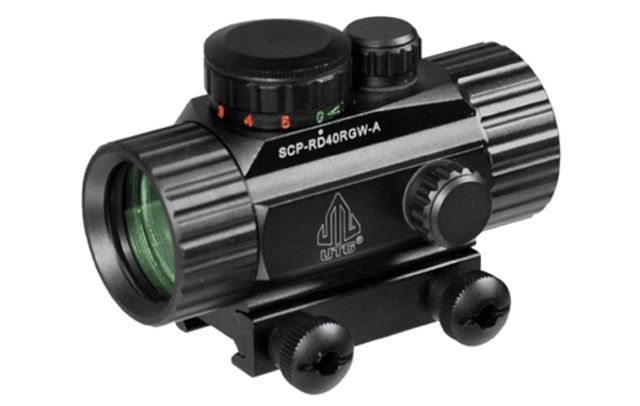
Leapers Golden Image 1x30mm Red/Green Dot Scope, Black – SCP-RD40RGW-A

from: OpticsPlanet, Inc

If you shoot at targets or game at distances greater than 50 yards and want to try a red dot sight, traditional red dot sights will perform poorly. They’re better for close range shooting and fast target acquisition, and just don’t do well at longer ranges.

However, the UTG 6″ ITA Red/Green CQB T-dot Sight performs a little better at 50 to 100 yards compared to the shorter sights.

Most red dot sights work across a wide range of guns from pistols to rifles, but some shooters prefer a wider field of view for pistols. We recommend the UTG 3.0″ ITA Red/Green CQB Dot Sight with Integral QD Mount for most pistol applications. It sports a broader field of view and a shorter body that makes it perfect for pistols.

[amazon box=”B004RNCFC2″ template= “horizontal”]

Should I Buy a UTG Red Dot Sight?

We can’t answer that question for you. The answer depends on what, where, and how you shoot. If you shoot in competitions, and they allow red dot sights, get one, and you’ll see a considerable improvement over your current times. Red dot sights are better for quick target acquisition than their cousins the holographic sight at the ACOG.

If you hunt birds or fast-moving animals with a shotgun and using a red dot sight is legal in your area, you’ll love the way these sights help you get on game fast and improve your accuracy. If you look at the test results and benchmarks, there is no denying the red dot sights improve response time and accuracy in almost every test.

If you shoot at things more than 100 yards away, a red dot sight will probably help you less than a traditional scope. They’re better at 100 yards than iron sights, but the dot appears enormous over a target at 100 plus yards. Red dot sights work best for close, fast shooting and just do not perform well under most other shooting conditions.

Are They Better than their Competition?

The answer to this question is complicated. UTG sights are rugged, and their batteries last longer than the competition. They are cheaper than most of their competition, and their aluminum bodies last longer than plastic frames. So, in part, they are better than their competitors. However, they don’t offer many of the bonus features some sights do like integrated lasers or low-profile mounts.

UTG offers one sight that we consider low-profile. Using aftermarket mounts is also an option for lowering the sight, but aftermarket products are a risky bet.

Sometimes they fit right and work as expected, and other times they don’t work no matter how much effort you throw at them. Buy a sight that meets your needs and shooting conditions. Use mounts and accessories made for that sight to get the best results.

Our Opinion

We like everything about the UTG Red Dot sights and their prices. If we look at all the information, we like the sight we reviewed here because it performs great and is made to last.

Consider what you are shooting at, and what the usual shooting conditions are where you shoot. Leapers offers several red dot sights, and one of them will suit your needs. Look through their entire lineup and find the sight you need. Whether it’s a red dot reflex sight or an illuminated red dot sight with an adjustable reticle, they probably have what you are looking for or need.

Don’t let the price fool you. This is one instance where you get much more than you pay for in the box. They also come with a lifetime warranty against any defects.

Conclusion

Leapers, Inc. comes from humble beginnings in what amounted to a garage business in 1992 to a 150,000 square foot 3-building complex today. With that kind of growth comes a lot of trial and error. Leapers used that time to develop some of the best red dot sights available. Their sights are affordable, durable, and made from quality materials.

Red dot sights like the UTG models improve your close range and reflex based shooting; there is not disputing that fact. These sights aren’t just for the military, law enforcement, or competition shooting anymore.

Add one to your home defense weapons or try one next time you shoot some wings or turkeys. If you give one a chance, you’ll see improvements to your shooting, and you can’t beat the UTG prices.

[amazon box=”B01M0JMCFO,B07G3HMWFY,B07G64TD7L” grid=”3″]

Leupold VX2 3-9×40 Review: Is This Worth Purchasing?

leupold vx2 3-9x40 review - the scope installed on a rifle and shotgun

Whether you’re a novice hunter who’s just getting started or an expert sportsman with a trophy room that would make Daniel Boone green with envy, you’re only as good as your optics! Choosing the right scope is a vital step in planning the perfect hunting trip or competitive shoot. Our Leupold VX2 3-9×40 review compares and contrasts the VX2 with several other popular offerings on the market today.

[amazon box= “B00SBPJT76,B07KCDXB9D,B005UGIMNQ,B00784RRNY” template=”table”]

In order to help you make the best choice, we’ve compared these models using five criteria: price, ease-of-use, accuracy, durability and warranty terms.

What Is the Leupold VX2 3-9×40?

The Leupold VX2 3-9×40 is a popular mid-range rifle scope with hunters and competitive rifle shooters. The Leupold family has been manufacturing rifle scopes for five generations, ever since Marcus Leupold – one of the company’s founders – was unable to bag a deer on a hunting trip after his rifle scope fogged up. Since then, the Leupold name has become synonymous with no-frills, reliable, well-built optics that provide good value for the money.

Leupold VX2

Image from Amazon

Customers choose Leupold for their reliable, easy-to-use, versatile product offerings, and their award-winning customer service. The Leupold VX2 3-9×40 is one of their most popular offerings, and thousands of happy Leupold customers pay credit to their consistently high-quality builds and reliable performance after a successful deer season.

Leupold VX2 3-9×40 Review: Specs

Leupold VX

Image from Amazon

The Leupold VX2 3-9×40 is a good choice for anyone who’s in the market for a good all-round hunting scope. Leupold’s Index Matched Lens System maximizes light transmission, which improves image quality. Additionally, Leupold customizes the lens coatings for each individual scope that leaves their factory, further improving sharpness and brightness. Exaggerated knurling on focus adjustment knobs and turrets allows for rapid adjustments, aiding in on-the-go target acquisition.

While the other offerings in our Leupold VX2 3-9×40 review use nitrogen to prevent lens-fog accumulation, Leupold uses a proprietary mixture of Argon and Krypton, further preventing the accumulation of condensation in damp environments. Finally, Leupold applies their trademark DiamondCoat protective coating to any scope that leaves their factory. This protects your lenses from abrasions even in the harshest of conditions!

Pricing


This scope provides excellent value for the money. While it’s slightly more expensive than two of the comparable offerings featured in our Leupold VX2 3-9×40 review, it’s a bargain when stacked up against premier product offerings. You can purchase it directly from the manufacturer, but the bargain-buyer can likely find it listed on Amazon.com, Ebay or MidwayUSA for a promotional price. Leupold has a track record of providing premium performance at a mid-market price point.

How It Compares

We picked a few similar products available on the market to see how they compare:

[amazon box=”B00SBPJT76″]

Ease of Use

Accuracy

Durability

Warranty

Pros

  • Top-notch image quality
  • Lightweight and durable
  • Allows for on-the-fly target acquisition
  • Excellent value given the price tag
  • Lifetime warranty and great customer service

Cons

  • No parallax
  • No sunshade included
  • Users complain that turrets feel “cheap”
  • Some report occasional problems with lens fog

[amazon box=”B07KCDXB9D”]

The stand-out feature of the Buckmasters II 3-9×40 is Nikon’s anti-reflective technology. This scope features a series of lenses coated with multiple layers of a proprietary anti-reflective blend that increases dissemination of light and reduces reflection by 92%. This produces brighter, clearer scope imagining, optimizing optics at all light levels. Higher contrast and starker colors cause the target to “pop”, making target acquisition easier.

Ease of Use

Accuracy

Durability

Warranty

Pros

  • Holds zero aim consistently
  • Optics are clear and bright
  • Waterproof
  • Users report almost no challenges with lens fog

Cons

  • Some comparable models feature sharper imaging
  • Some users report that thick crosshairs can obscure targets

[amazon box=”B005UGIMNQ”]

The BugBuster’s tube features UTG’s Emerald Coating; a proprietary formula that improves transmission of light. The scope features a mil-dot reticle for range estimation, which improves accuracy. The mil-dot allows for adjustments between 9 feet and an undefined range. UTG was one of the first manufacturers to take advantage of mil-dot scopes for range finding, and their proprietary technology makes the BugBuster extremely accurate. While competitors provide 11 aiming points, the BugBuster’s mil-dot reticle allows for 20.

Ease of Use

Accuracy

Durability

Warranty

Pros

  • Sharp optics
  • Ability to zero-in on targets very quickly
  • Holds zero when affixed to a rifle with heavy recoil
  • Excellent value for the money

Cons

  • Edges of the viewing field are distorted
  • Some users complain that the crosshairs are too thick
  • Occasionally arrives with the reticle askew

[amazon box=”B00784RRNY”]

If you know optics, you know NightForce. The NXS 5.5-22×56 is, without a doubt, the Rolls Royce of long range hunting scopes. Enthusiasts have called it the “finest offering on the market”. Superb build quality and an unrelenting commitment to excellence in the little things are the trademark of the NightForce brand.

This scope features Illuminated an illuminated, glass etched MOAR-20 MOA reticle, flawless multi-coated lenses, and a military-grade aluminum tube twice as sturdy as the other scopes featured in our Leupold VX2 3-9×40 review.

Ease of Use

Accuracy

Durability

Warranty

Pros

  • Astonishingly clear viewing field
  • Hi-Speed turret system
  • Better magnification capacity than any other product offering in our Leupold VX2 3-9×40 review
  • Rugged, durable build
  • 56mm objective lens allows for optimal clarity in dim and bright environments

Cons

  • The NSX 5.5-22×56 costs more than the other three scopes featured in our Leupold VX2 3-9×40 review combined
  • Some users complain that the thicker tube walls make the scope too heavy

Conclusion

We hope that our Leupold VX2 3-9×40 review has proved a valuable resource in your search for a new hunting scope! Overall, we have given the Leupold vs2 3-9×40 a rating of four out of five stars. When compared with the bargain brands and the premier offerings, the Leupold VX2 3-9×40 is an excellent choice for novice and intermediate sportsmen alike. Happy hunting!

Featured Image from AmazonRifle Icon made by Freepik from www.flaticon.com

Vortex Strike Fire Red Dot Scope for AR15: Why You should Buy It?

check-out-amazon

Looking for a scope to mount on your rifle? This is a review of the Vortex StrikeFire Red Dot Scope for AR15 SF-BR-AR15. Read on to find out if it is what you have been looking for. The features of this rifle scope will be listed along with its advantages and disadvantages.

The  Vortex Strike Fire Red Dot Scope for AR15 is a great scope to equip on your rifle. You should consider getting one because it offers great quality for its price. It boasts a lot of neat features that you will surely like. Read on to find out more about this rifle scope

A Few of Shops for You

[price_comparision id=”2376″]

Features And Benefits of the Vortex Strike Fire 

1. Multi-coated lenses and anti-reflective coatings

The Vortex StrikeFire Red Dot Scope for AR15 SF-BR-AR15 uses multi-coated lenses to help you increase effective light transmission. It also has anti-reflective coatings to minimize glares. This makes the rifle scope effective even in environments with [Read more…]

How to Sight in a Rifle Scope: The Ultimate Guide

If you are aspiring to be an avid rifle hunter or owner, you cannot avoid learning how to sight in a rifle scope. While some people find it easy to grasp the basic knowledge about sighting in a rifle, others find it challenging. Consistency can help you master everything related to the intricate process of sighting in a rifle.

Rifles are used in many areas with hunting as the primary use. Failing to sight your rifle scope increases your chances of missing a target. Once you have mastered how to sight in a rifle scope, everything else becomes easy. Whether you have a handgun, rifle, or shotgun, this simple guide on how to sight in a rifle scope will come in handy.

Steps to Take before Shooting

Every successful sharpshooter attained such a title by learning the basics and having the right shooting tools and equipment. If you are hoping to be accurate when shooting with a long range, you must have a rifle scope. Second, learn how to sight in a rifle scope as this influences the accuracy of your shots significantly. Even though it requires a lot of technical knowledge, there are necessary steps that anybody can follow to learn how to use a rifle scope appropriately and successfully.

[amazon box=”B07GQDD9F3,B007UT3OFC,B002JF598W” grid=“3”]

Install Your Scope Properly

Image by pixabay

Checking whether the scope is appropriately installed should be your first step before shooting. A majority of the rifles come with a mounting system. Not all scope bases can fit in any scope ring. Check whether the scope rings and mount are a perfect fit for your rifle.

Adjust the Eye Distance

Your success at shooting starts with sighting a clear image of your target. Situating your eyepiece well allows you a sharp and clear image. The distance left between your eye and the scope plays a significant role when sighting a rifle scope. You will need to tune the scope carefully to create the ideal amount of relief to your eye.

The ideal eye distance should be far enough to avoid any injuries on the eyes because of the recoil effect.

Level Up

Image by pixabay

A sturdy shooting position is necessary when sighting in a rifle scope. You should use a bipod or a shooting bench that has a mount to achieve the right shooting level. While any of these methods can work well, the use of a rifle mount is much preferred since it lowers the recoil significantly. It holds the rifle securely on the target.

Different rifle mounts are available in the market. Choosing a mount that is not compatible with your rifle scope can be disastrous. Thus, you need to be careful to select a mount that works for your rifle scope.

Align the Reticle

Image by pixabay

Aligning the reticle is a critical aspect necessary when sighting in a rifle scope. However, not many shooters put this into consideration. Having a canted reticle (a case of imperfect alignment of the scope's crosshairs and the elevation direction or the windage adjustment) is costly for any shooter. It results in missed shots, especially if you are firing 250 yards away from the target.

There are different ways you can align your reticle. The simplest method is to keep the scope pointed at a solid background and try to focus on an object at a distance using your eyes before you can refocus with the scope. This practice should help you determine whether the reticle is blurry or in focus. If blurry, use the diopter to adjust the scope until you achieve a focused and clear reticle.

Bore Sight Your Rifle Scope

Image by pixabay

It is advisable to bore sight a new scope after you have mounted it on a rifle before making any shots. Ensure that your gun is not loaded and that nothing obstructs the barrel. Unbolt and fit the rifle securely at a downrange pointing direction. While looking through the bore, move the rifle carefully such that the target is centered.

You can opt for a laser boresight, which is fitted on the rifle's chamber and achieves the same results–to center the reticle in the rifle's direction.

Set Your Minute of Angle (MOA)

The Minute of Angle is an important aspect to master when learning how to sight in a rifle scope. Every shooter should consider the MOA before firing a rifle. The number of clicks you turn the windage knob or the elevation determines the impact move on the bullet. For example, four clicks on the knob result in a one-inch bullet impact move.

Make three-shot groups; these help in determining whether your rifle scope is aligned correctly and whether the shots are on target. The level at which you sight in a rifle scope depends on the application. It is advisable to consider sighting at above 100 yards. It all depends on your preferences. Despite this, you should master your MOA because it helps you make the required adjustments depending on the distance and the target.

How to Sight in a Rifle Scope - Fine Tune It

Image by pixabay

It can be challenging to achieve the right focus at once. You should keep tweaking; vary the distances and refocus up to when you achieve consistent hits near the bullseye. Once you master how to focus and make on-target shots, do not relax; practice with far-away targets. However, it is necessary to remember that other factors can affect your shots. For example, the target's distance, rifle scope, and environmental factors, like the direction of the wind, determine your shot's accuracy.

Things To Do When Shooting

Pulling the trigger of any rifle discharges a firearm. While it sounds simple, it is problematic for most shooters, including experienced ones. It is important to be careful when shooting. Here are a few things to do when shooting to make sure you make safe and successful shots.

  1. Position your arm well: It is advisable to extend your arms fully when shooting. However, this does not mean that you lock them. Relax your shoulders.
  2. Align your foot and legs: there are several approaches to position your foot and leg when shooting. You can choose the side-to-side or front-to-back positions. In case you consider the front-to-back option, ensure that you rearward the strong-hand side leg in a range of about 12–18 inches. The exact distance depends on one's strength weight and balance.
  3. If you opt for the side-to-side position, you maintain stability and a high comfort level by leaving a hip-width distance between one foot and the other. You can lock your knees or bend them a little for maximum stability.
  4. Body positioning: Ensure that your torso leans forward slightly. It is not advisable to bend backward, especially at the shoulder, hip, or waist area. Keep the shoulders at a forward position relative with the hips.
  5. Maintain a firm grip: The security of your body is paramount when shooting, and this starts with how you hold the gun. Hold your gun firmly with a proper grip.

Key Tips and Information to Remember

Every rifle hunter or owner must understand how to sight in a rifle scope. Here are a few things to remember which will be useful when sighting in a rifle scope.

  1. Often check the scope mounts for tightness. You should keep them not too tight, as this might break or even strip the screws.
  2. Always ensure that the scope is leveled. A poor or unleveled scope shoots off the paper.
  3. Do not disregard the paper. Shooting off the target is frustrating.
  4. Sight with the same ammunition. Usually, ammunitions differ in terms of their batches. For accuracy of shots, it is advisable to sight in with the same ammo as anything different can lead to inaccurate shots.
  5. A shooter accomplishes several things for a gun to fire. Your role is to pull the trigger. If you do it correctly, you will not experience any movement, and you can be assured of accurate shots. Jerking or flinching when shooting causes an off-target shot.
  6. Always ensure that you hold the gun firmly.

Conclusion

[amazon box=”B0778QYSGS”]

Every sharpshooter should learn the basics of installing and how to sight in a rifle scope. Make sure you practice regularly to gain the confidence needed in developing the right target shooting skills. Every successful shooter started by learning how to sight in a rifle scope. It takes a lot of confidence and practice to make successful long shots, as this ensures that you know what goes into aligning a rifle scope and what to do before and when shooting. It is important you master the tips highlighted above.

How successful you are at making shots depends on your accuracy in sighting in the rifle focus. Therefore, learn what mounts align with your rifle scope and establish and stick to the same batches you used when sighting. In addition, make sure you sample different rifle scopes to buy the one that matches your rifle and shooting needs.

Zooming In On Weapon Scopes And Sights To Help You Achieve A Clear Shot

 a view from a scope

View through the scope of an M-91: Image by Heather S. Gordon

Few things are more powerful than a warrior who knows his equipment inside and out. Knowing your weapon, though, is more than just practicing how to use the gun itself. weapon scopes and sights are essential to getting the perfect shot.

These days, weapon scopes and sights are so ubiquitous that even a halfway decent video game attempts to give players an accurate representation of these essential weapon parts. Yet painfully few weapons enthusiasts actually know in detail how they work.

soldier using scopes and sights

Your weapon itself, and all your training and practice with it, can only get you so far. The human eye limits the range of your weapon more than the weapon itself ever could, and the right weapon scopes and sights are essential to getting the shot you need.

That tiny speck that you can barely make out with your eyes pulls up close to you in perfect clarity through the power of your scope. That guesstimate your eyes make of what your weapon is trained on becomes a certainty in the crosshairs of your sight.

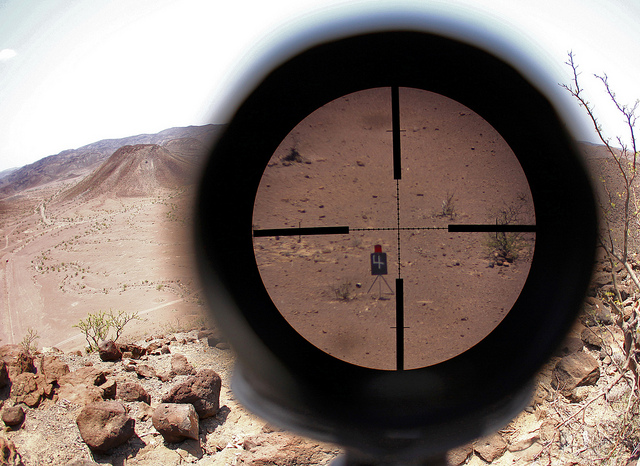
target on sight using scope crosshairs

A target seen through a scout sniper observation telescope as Marines with 1st Platoon, Bravo Company, Battalion Landing Team 1st Battalion, 2nd Marine Regiment, 24th Marine Expeditionary Unit in Djibouti; Image by Cpl. Michael Petersheim via Flickr

Having the right weapon scopes and sights, the perfect accessories for them, and knowing how to use them, adjust them, and maintain them are essential skills for every warrior, hunter, or weapons enthusiast.

Scopes

bushnell tactical rimfire scope

Bushnell Tactical Rimfire Scope on Ruger 10/22; Image from Attribution 2.0 Generic (CC BY 2.0) by Hunting Mark via Flickr

Scopes are mounted to the barrel of a weapon at approximately the midway point. They provide magnification so you can bring a far away target into close focus. They let you see both your gun’s sight and your target in a way that ensures you are lined up for the shot.

Types Of Scopes

There are many types of scopes available, and the right choice will depend on your weapon and your shooting conditions:

  • Variable or adjustable scope: you can change the magnification settings with this type
  • Fixed scope: you cannot change settings with this type of scope
  • Night vision scope: provides infrared illumination for dark conditions

How Do They Work?

parts of a scope

Parts of a scope; Original image adapted from Creative Commons Attribution 2.0 Generic by Steyr Mannlicher via Wikimedia Commons

All weapons scopes use a series of lenses much like those you would find in a telescope or pair of binoculars. In fact, in the field, they make a passable substitute for binoculars when binoculars aren’t available.

These lenses magnify when you see through the scope. Your scope will also provide you some kind of reticle that shows where your shot is likely to go. We say “likely” because long-distance shots are affected by many things other than just your aim.

The reticle may look like crosshairs, various types of dots, a star, or a bullseye. The scope will also have a way for you to adjust the elevation, a mounting rail for putting it on your weapon, and often a cap to protect the adjustment and the end.

reticles vector of scopes

Types of reticles; Image by Jellocube27 via English Wikipedia

The user peers through one end of the scope, resting the reticle on the target. By adjusting the knobs, the user can center their scope on the target and adjust for various factors like wind, distance, and the way the bullet will drop in response to gravity.

A Short History

Scopes for magnifying a shooter’s target came into existence not long after the telescope was invented by Hans Lippershey in 1608.

Prior to this invention, all shooters used iron sights only, and these were so reliable that even a hundred years after the first scopes came out, the famous sniper Simo “White Death” Hayha thought they were inferior to sights.

simo hayha

Simo Hayha; Image from Finland Military Archives via Wikimedia Commons

The first scope, called a “telescopic rifle sight” was made in 1776. Unfortunately, it was an unmitigated failure. The recoil of the rifle shoved the scope back into the user’s eye, and the idea was abandoned for a while. Finally, in the 1830s, Morgan James made the first successful scope.

The First Snipers

Scopes produced a new kind of warrior: the sniper. The first snipers appeared during the Civil War, and their existence was almost based more upon the potential of the scope than actual performance. Everyone could see that the “telescopic sight” could do great things, but it would take a while before the potential became reality.

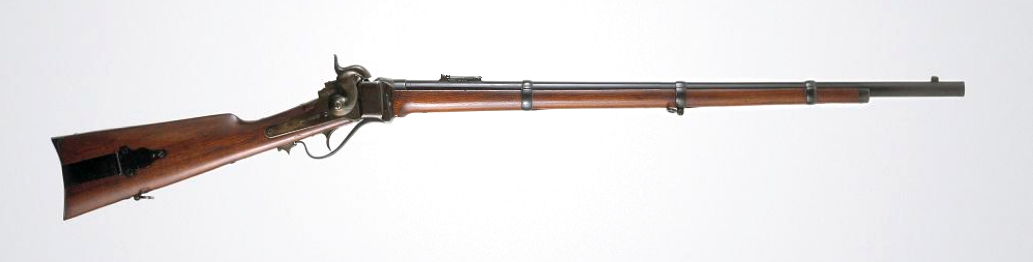
sharps rifle

United States Sharps rifle Model 1859, .52 caliber; Image by Division of the History of Technology, Armed Forces History, National Museum of American History, Smithsonian Institution via Wikimedia Commons

Snipers in the North mostly used Sharps rifle, which gave birth to the term “Sharpshooter.” Southern snipers used the British Whitworth rifle, which, when combined with a scope, was the most accurate rifle in existence and the true first modern sniper rifle.

World Wars

The sniper’s place in modern warfare and the value of the scope were well established by World War I. In that conflict, Germany dominated the sniper war with the finest rifles and scopes.

german sniper

German sniper laying on ground near barbed wire defenses; Image from Library of Congress via Picryl

By World War II, rifle scopes were highly developed and available to regular infantrymen, not just snipers. The two greatest scope improvements came from the United States and Germany. In the US, the Unertl Optical Company provided a scope that every soldier to put on an M40 rifle. It proved excellent 10x magnification.

The Germans, meanwhile, actually invited the world’s first night vision scope: the Zielgerät “Vampir” 1229. They put it on their Sturmgewehr 44 assault rifle, but it made no ultimate difference to their fate in the war.

soldier using vampir night scope

Vampir night scope tested by British soldier; Image from British Army via Wikimedia Commons

Today, modern infantries issue weapon scopes and sights to all their personnel, and many scopes have been upgraded to allow for easy target acquisition, standard night vision options, auto-aiming functions, and laser range-finders. Many of these are available for the weapon enthusiast, as well.

Sights

A weapon’s sights typically sit at the end of the barrel. They are designed to help the user visually align their weapon to the target. Some people consider a scope a type of sight: a telescopic sight. This is a legitimate way of thinking, but modern weapons tend to have both scopes and sights, making it essential to differentiate.

Types Of Sights

There are several types of sights available for weapons, even without considering scopes to be a subset of sights. Here are the most common:

  • Iron sights: can be single or located at both ends of the barrel
  • Peep sights: like iron sights, but the front sight stays fuzzy until perfectly aligned on target
  • Dot sights: project a dot or holograph onto the target
  • Laser sights: project a laser beam onto the target

How Do They Work?

Since there are different types of gun sights, each works slightly differently. To use simple iron sights come from the factory on nearly every weapon made. The simplest kinds feature nothing more than a simple bump or notch at the end, but most have “open sights.”

types of sights

A selection of open sights, and one aperture sight suitable for use with long eye relief, all using a 6'oclock hold: A) U-notch and post, B) Patridge, C) V-notch and post, D) express, E) U-notch and bead, F) V-notch and bead, G) trapezoid, H) en:ghost ring. The gray dot represents the target; Image from Creative Commons Attribution-Share Alike 3.0 Unported by Fluzwup via Wikimedia Commons

Open sights offer an aperture at the back end of the barrel and a notch or bump at the front. The user lines these up to make sure the weapon is aimed correctly. Peep sights work similarly, but they help the shooter get alignment more quickly by keeping things fuzzy until they are.

Dot sights are the most common these days, and they make shooting a breeze. The dot, crosshair, or other aiming point displays across the shooter’s view. There is no need to align the sights, and the image always stays on target.

soldier looking  on scope for pop up target

Staff Sergeant Sally McCabe sights on pop-up targets; Image from U.S. Air Force by Tech. Sgt. Justin D. Pyle

A Short History

The first guns were ridiculously inaccurate. These 14th-century nightmares didn’t need sights because there was no reason for them: aiming the gun made hardly any difference. All you could do was point it in the general direction of your enemy and hope for the best.

Bead Sights

By the mid-15th century, firearm accuracy was finally good enough that the first bead sights were added to the muzzles. By the 16th century, people had realized that adding a rear sight made the whole thing more accurate. They had also learned to bring the front sight in just a bit, as leaving it at the extreme edge of the barrel made it vulnerable to being knocked and jolted.

Innovations

The next step was making these sights adjustable and providing markings on rifle barrels so shooters could adjust them quickly. It was the Turks who invented the peep sight, and they had a fascinating innovation. They drilled several holes on top of one another, each one designed to be used at a different distance.

Their system was so good that it remained in use until the 1800s. In that century, fully adjustable sights were invented, allowing a user to have just one peephole and move notches around to adjust for distance.

Modern Sights

heckler and koch mp5 pdw galaxy with eotech 551

Heckler & Koch MP5 PDW Galaxy w/ Eotech 551; Image from Creative Commons Attribution-Share Alike 4.0 International, 3.0 Unported, 2.5 Generic, 2.0 Generic, and 1.0 Generic by Neevsky via Wikimedia Commons

These came into use during the early 20th century and were used extensively in World War II. These sights use a small reflecting glass to project the aiming point for the shooter. In the late 1990s, holographic sights used the reflective idea and improved upon it by using photography rather than reflection: which did away with any distortion.

Laser sights are highly accurate but are the least-used of all the weapon scopes and sights available. That is because they are really more show than substance. They tend to fool the unwary shooter into assuming aim is true because they can see a dot. Unfortunately, the laser cannot factor in distance, wind changes, or movement by the target.

Terms You Need To Know

An article like this cannot cover every single term related to weapon scopes and sights; however, there are some that every weapons enthusiast should be aware of.

Adjustable Objective

On a scope, this is the dial at the end or knob on the left side. Use it adjust the scope’s parallax to the approximate distance of your target.

Bullet Drop Compensation

Gravity is a thing, and bullet drop compensation is the act of accounting for it. The instant your bullet leaves the barrel, it will begin its inevitable descent towards the ground. The farther away the target is, the more the bullet will drop as it travels. This means an accurate shooter needs to raise their weapon a certain amount to compensate for varying distances. Good weapon scopes and sights help you compensate.

Click

One click refers to one notch of adjustment in a scope’s elevation. Typically, once click will change the scope’s impact point by 100 yards.

Eye Relief

This is the distance your eye needs to be from the end of a scope in order to still see it completely.

Magnification (or Power)

target on sight through the scope

Image by U.S. Marine Corps via Wikimedia Commons

This tells you how powerful your scope is. Magnification is expressed with a number and the letter “x.” A 10x scope shows you things ten times closer than looking with your naked eye.

Parallax

This term refers to the apparent position of your scope’s reticle on the target. Most scopes allow you to adjust this by 100 or 150 yards at a time. If the target and your reticle are not on the same focal plane, the reticle will not fix on the target.

Parallax Compensation

Not necessary for shooting at ranges under about 250 yards, parallax compensation becomes increasingly important the longer distance you shoot. Use the adjustable objective to move the reticle around until the target becomes clear. You’ve adjusted correctly when you can move your eye around, and the reticle does not move off the target.

Twilight Factor

Refers to how accurate a rifle scope is when there is little light. The higher the twilight factor, the more light the scope allows in and the more accurate it will be in low light conditions.

Weapon Scopes And Sights Accessories

There’s almost nothing you can’t get online these days, and that includes an array of accessories to improve your experience with weapon scopes and sights. We’ve rounded up a list of some of the most useful for the average shooter.

Scope Cover

A scope cover is the perfect way to protect your scope from moisture, dirt, or knicks and knocks. The ideal cover goes on and off easily and is made of a stretchy material.

Scope Mounting Kit

If you use more than one scope on your weapon, you will want your own mounting kit to make it easy to take off one scope and put on another. Look for a kit that comes with a leveling tool, a lapping bar handle, a thread lock, gunsmithing screwdriver bits, and a torque screwdriver.

Sight Magnifier

sight scope magnifier

If you have a dot sight, you may want a bit of magnification without the bulk and inconvenience of fitting a whole scope. A sight magnifier gives you around 3x magnification in a small attachment that locks into place quickly and easily.

Lens Pen

This is a handy little tool that allows you to wipe off debris or fingerprints from your scope or lenses without having to fiddle with cleaning compound or worry about scratches. It carries a cleaning compound within it and is shaped like a pen.

Lens Cap

Most scopes will come with a cap on the end to protect it, but if yours doesn’t, or if you’ve lost or damaged the one you have, get another. A lens cap is essential to keep your scope in good working order.

Wind Meter

There are several types of wind meters, and they all do basically the same job. They give you an accurate estimate of the strength of any crosswind so you can shoot more accurately over long distances.

Clip-On Night Vision Adaptor

night vision scope

Night vision; Image from CC BY 3.0 by David Kitson via Wikipedia

If you don’t want to buy a separate night vision scope, you can use a night vision adaptor. These will go on your weapon’s rail and transform your existing scope into one that can see in the dark.

How To Mount Your Scope

Your rifle scope is one of the most expensive items you’ll buy for your weapon. No matter how much money you spend on your scope, it will be useless if it hasn’t been properly mounted. You can get a gunsmith to do this for you, but there’s no reason you can’t learn to do it yourself.

Tools

  • Gunsmithing screwdriver
  • Gunsmithing screw bits
  • Gun cradle
  • Rosin
  • Electrical tape
  • Scope level
  • Gun-safe cleaner
  • Dowel rods

Important Prep

Fortunately, the vast majority of modern rifles are already drilled and tapped to hold scopes, or they come with mountain attachments. This means it’s increasingly possible for the average gun owners to install weapon scopes and sights on their own. It also means it’s crucial to make sure your mounting system fits your rifle.

The next preparatory step is to clean everything carefully. Wipe it all down and make sure it’s dry. Apply a little oil or a rust preventative to the mounting rail.

Where to Mount

Most professionals recommend that you put the scope as low as possible without touching the barrel. Make sure there’s enough clearance at the eyepiece for the bolt to move freely.
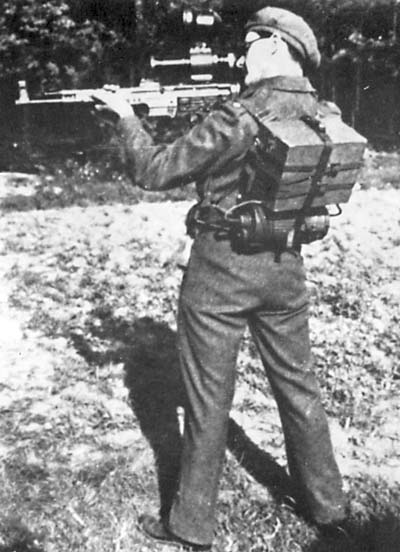
The scope bases and rings usually attach with socket heads. Secure just the lower half of the rings for now. As you secure them, make sure your fit is even and stable by tightening the screws alternately.

If the socket system rotates, don’t use the scope to pivot the ring around. Use the dowel rods to do the pivoting. If you want to make sure things never move, you can even add a drop or two of Loctite.

Align Your Reticle

The bottom half of the scope mounting rings should be secured at this point. Put in your scope and then put on the top half of the rings and tighten just enough that you can rotate the scope and move it around.

With your gun cradle holding the scope perfectly level, move the scope around until the reticle is perfectly aligned both horizontally and vertically. Make sure that the scope is far enough forward that your eye is safe, but that you still have good eye relief.

Tighten It Down

marine holding a gun with a scope

Once you’re sure everything is level (use the scope level to double check), tighten down the screws on the top half of the rings. As before, alternate tightening the screws, so everything sits evenly.

Now you’re ready to do some test fires at the range to site-in your rifle.

How To Replace Your Rifle Sights

Replacing iron rifle sights is a bit trickier than mounting a scope. There’s no shame in getting a gunsmith to do this for you if you want to put on different sights. If you’re determined to do it yourself, check out this helpful video to get tips for doing it right.

If you want to add a red dot or reflective sight to your rifle, you’re in luck: these are relatively easy to install. Once again, seeing how to do it is the best way to do it right when it comes to sights.

What To Consider When Buying Scopes

Buying a rifle scope can be a difficult and complicated proposition. There are literally hundreds of choices for nearly any modern rifle, and plenty even for older models. Knowing the terminology and what to look for will help you choose the right scope for your needs.

Scope Number Reading

scope number reading

Scopes come labeled with numbers separated by an “x.” The first number tells you the magnification factor of the scope. If you see two numbers to the left of the “x” separated by a dash, this means you can adjust the magnification.

The number to the right of the “x” tells you the diameter of the scope lens that is farther forward. The measurement is in millimeters.

Choosing Magnification

The magnification of your scope matters. Let’s say you use your rifle for deer hunting in the forest. If you have a scope that gives you 32x magnification, you’re going to find it impossible to see through all the undergrowth and brush to make out anything.
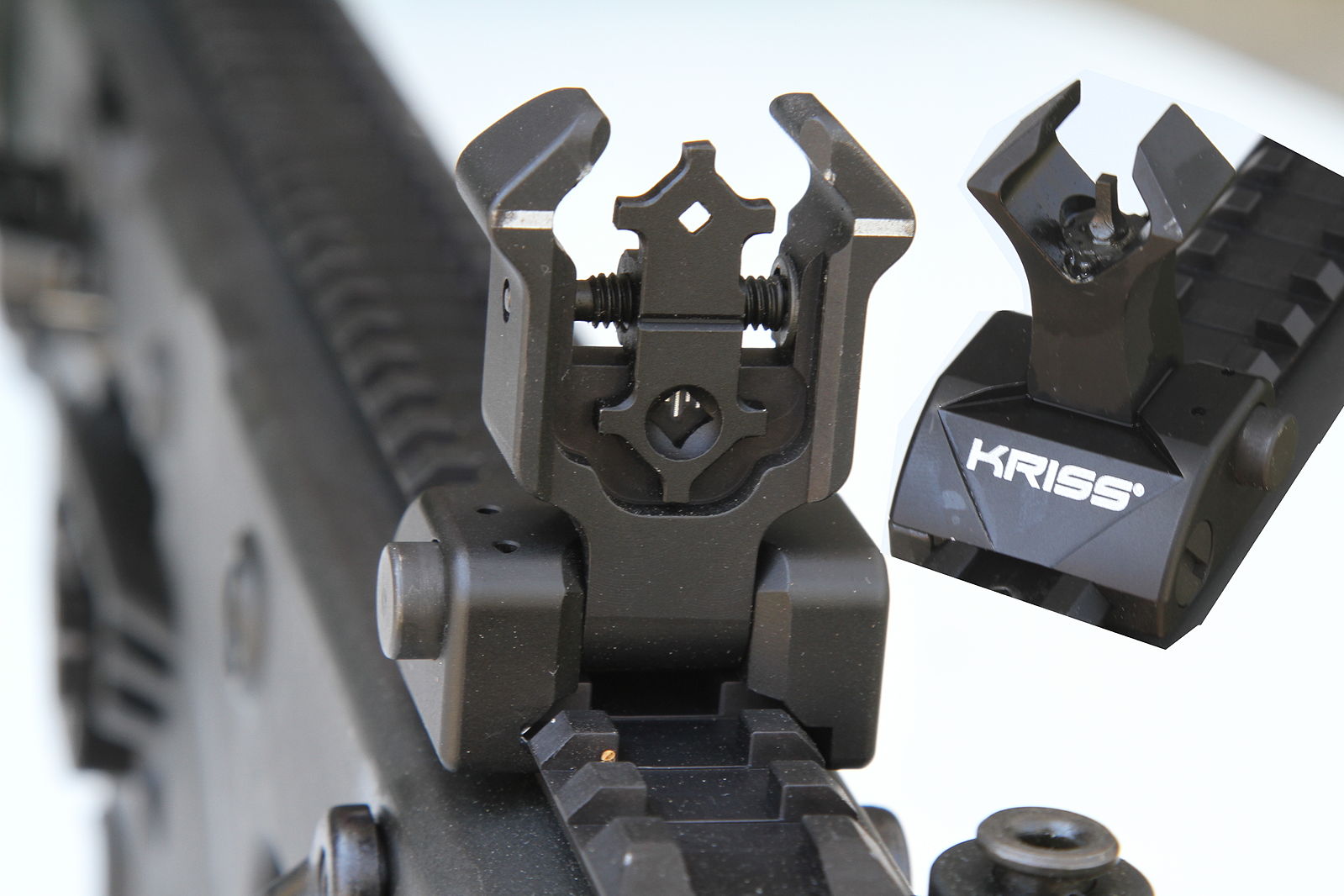
But, let’s say your favorite activity with your rifle is long-distance target shooting. If you’ve only got a 3x rifle, you’re never going to do very well. Scope magnification has to match your intended activity.

looking through the scope with soldier target on sight

Camp Hansen, Okinawa, Japan (May 21, 2004) - A Special Reaction Team (SRT) member looks through the scope of a sniper rifle to help enlarge targets; Image by Cpl. Ryan Walker via Wikimedia Commons

Basically, scope magnifications between 3x and 9x will make it easy for you to track a moving target and shoot quickly and intuitively. Anything over 16x is going to be large, heavy, and perfect for target shooting. If you want to have options, you can get a variable power scope.

The only problem with variable scopes is that they are significantly more expensive than scopes without this feature. They also tend to be a bit more susceptible to breakage due to the delicate moving parts that allow them to change magnification.

Choosing Scope Diameter

The important thing about the diameter of the scope’s lens boils down to light. The larger the lens, the more light the lens allows in. The scope needs ambient light to transmit the image to your eye, but the scope’s reflective lenses lose some of the light as the image makes the journey.

This means that the image you see through the scope will always be dimmer than it really is. In bright, blazing sunlight this doesn’t matter in the slightest; in fact, in really bright conditions it can be helpful. But at twilight, in the rain, or in other low light conditions, this can seriously compromise your view.

man holding a rifle hunting at sunset

The larger the lens diameter, the brighter and clearer the image will be. In most cases, the more magnification a scope has, the larger the lens diameter will be.

So, do you want to just get the biggest possible lens? Not necessarily. The larger the lens, the heavier it is. The larger the lens diameter, the higher above the barrel it has to be mounted. If the scope is mounted too high, it may make it difficult for you to put your cheek in the right place, compromising your shots.

You can always buy a cheek-riser to compensate, but in many cases, your best bet may be to get a slightly smaller one scope and either add a night vision attachment or switch over to a night vision scope when you know you’ll be shooting in low light.

Choosing a Reticle Pattern

There are a lot of possible reticle patterns to choose from. In most situations, the final choice is just up to your personal preference. However, there are two things worth knowing.

First, mildot reticles have small dots in the center of the crosshairs, and you can use these to tell how far away a target is, so long as you know the target’s size. The dots also make it easier to adjust for wind changes or elevation rises or drops. This is the standard for more snipers.

Second, a BDC reticle is very useful if you need to shoot at targets over a variety of ranges quickly. The “BDC” stands for “bullet drop compensator.” These work well, but once you start shooting over 500 yards, they become less accurate.

Parallax Adjustment

Cheaper scopes usually can’t adjust to compensate for parallax. They are typically designed to offer no parallax at 100 yards. Anything significantly more or less than this and the scope won’t perform very well.

If the scope magnifies at 12x or beyond, you’ll want to make sure it comes with parallax correction.

Focal Plane Positions

Scopes come in either First Focal Plane (FFP) or Second Focal Plane (SFP) designs. Most modern scopes use the SFP reticle arrangement. Basically, this means the reticle you see through the scope will stay the same size no matter how you change the magnification. This is really useful if you will be changing magnification a lot and need the same consistent view no matter what power you’re using.

FFP designs make the reticle scale up and down as you adjust the magnification. The upside of this is that you can be sure your markings are accurate at varying distances. The downside is that the reticle can get a bit hard to see at lower magnifications. FFP designs are best when you know you’ll always be using high magnification.

Scope Prices

Scopes can be very pricey. Budget scopes will cost $200 or less, while the most expensive models can easily run over $3,000. The more money you pay, the more range you get, the more choices you’ll have in terms of reticles, and the better parallax adjustment will be.

price versus value

If you have the chance to test out some scopes on some buddies’ rifles or at your favorite range, go for it. In most cases, and as with most things, you do get what you pay for. However, it’s definitely not necessary to drop thousands of dollars just to get a serviceable, durable, useful scope.

What To Consider When Buying Sights

Iron Sights

rear iron sight

Rear iron sight; Image from Kinkify via Wikimedia Commons

The most common type of sight, iron sights, are the typical factory default for guns. This isn’t a very precise type of sight, especially if you only have one sight at the end of the barrel; but in some cases, they work really well. Shotguns are a great example of a weapon that really doesn’t need a lot of fancy sites.

hand holding a pistol

Pistols also work well with double iron sights, one in the front and one in the rear, though in most cases their effective range is only about 50m. Simple iron and peep sights will also be problematic for you if you have poor eyesight or don’t have time to put in a lot of practice.

Laser Sights

Laser Sights are cool, and they can be very useful for a new gun owner. They can help you get a sense of what you’re doing; however laser sights can actually be bad for experienced users. As mentioned above, it is tempting to rely so much on the laser that you neglect important steps in your development a weapons expert.

It’s also worth bearing in mind that laser sights give away your position when you’re in the dark. This is something to consider if you have a gun for home defense or for hunting.

Reflector Sights

soldier looking through the sights on his m16a4

Lance Corporal Jeromy S. Pilon looks through the sights on his M16A4 in Fallujah, Iraq; Image by Lance Corporal Miguel A. Carrasco Jr. via Wikimedia Commons

Reflector sights are most often used by the military and law enforcement in weapons designed for short range fights. They allow the user to shoot quickly and accurately and can be adjusted for daytime and nighttime use.

You can put reflector sights on a hunting weapon, but in most cases, it won’t be your best tool. Additionally, you need to be aware that moving the sight lever—either on purpose or by accident—means you have to re-sight the weapon.

Maintenance

Weapon scopes and sights require basic cleaning to keep them in good shape. For iron sights, cleaning is a snap. Simply wipe them down with a gun-safe cleaner on occasion.

For scopes, the situation is a bit more complex. Fortunately, modern scopes usually come with coatings that protect the lenses from scratches, but eventually, even the fanciest and most expensively coated lens will need to be cleaned.

What Not to Do

Whatever you do, please don’t use the tail of your shirt, some scratchy old napkin you found in your truck glove compartment, or any kind of ordinary spray cleaner on your scope. Even shirts and cloth that feel very soft to you are going to scratch the coating of your lenses.

As for those spray cleaners, unless they’re purpose-made for the job, they are liable to actually degrade the coating. Never ever use Windex, we’re begging you!

Preventing Problems

The best way to keep your lenses clean is to use lens caps and covers. Whether your gun is being stored or you have it with you but aren’t actively using it, keep the scope protected.

gun cleaners

When you clean the rest of the rifle, keep the cap and cover on your scope: the powerful cleaners that are suitable for the rest of the weapon will destroy your scope lenses over time.

How to Clean Effectively

Here are the steps to properly cleaning your scope:

  1. Get a special lens brush designed for the job
  2. Make sure that lens brush is totally clean
  3. Get a polishing tool: either a lens brush with polish or a polishing microfiber cloth
  4. Get a special liquid scope lens cleaner
  5. With the lens to be cleaned facing down, blow on it to get rid of most of the dust
  6. Lightly brush the lens with the lens brush
  7. For stubborn spots, slightly retract the brush bristles to make them tighter
  8. Polish the lens using a circular motion
  9. Apply lens cleaner if necessary to get rid of stubborn stains

Tips And Tricks

rifle in the field

You want to get the most out of your weapon scopes and sights, so here are some tips to help you make the right choice for your needs.

Match Your Scope to Your Rifle

If you’ve paid a lot of money for your rifle, don’t compromise your ability to use it by saving money on the scope. An amazing rifle demands an amazing and precise aiming device to allow you to get the most out of it.

Use the Right Reticle

A fancy reticle that lest you adjust for elevation and wind could be awesome: but if you don’t really need it you’re just paying money for nothing. If you just want to aim at shorter distances, don’t splash out for a tactical reticle you’ll never get around to using.

Don’t Skimp on the Mount

If you’ve paid a lot of money for a quality scope, the last thing you want to do is mount it to your rifle with a cheap bit of plastic. A strong mount doesn’t have to cost a lot: it just needs to be made of quality material.

fn fal rifle stanag scope mount

FN FAL rifle STANAG scope mount; Image from Creative Commons Attribution 3.0 Unported by WoozleSPB (Sedov K.B.) via Wikimedia Commons

Always Be Level

It is impossible to overstate how important it is that your scope be perfectly level. Even if your reticle is a bit off, that won’t matter terribly if the scope is level. All you have to do is slightly adjust. It’s worth investing in a level device if you do a lot of shooting.
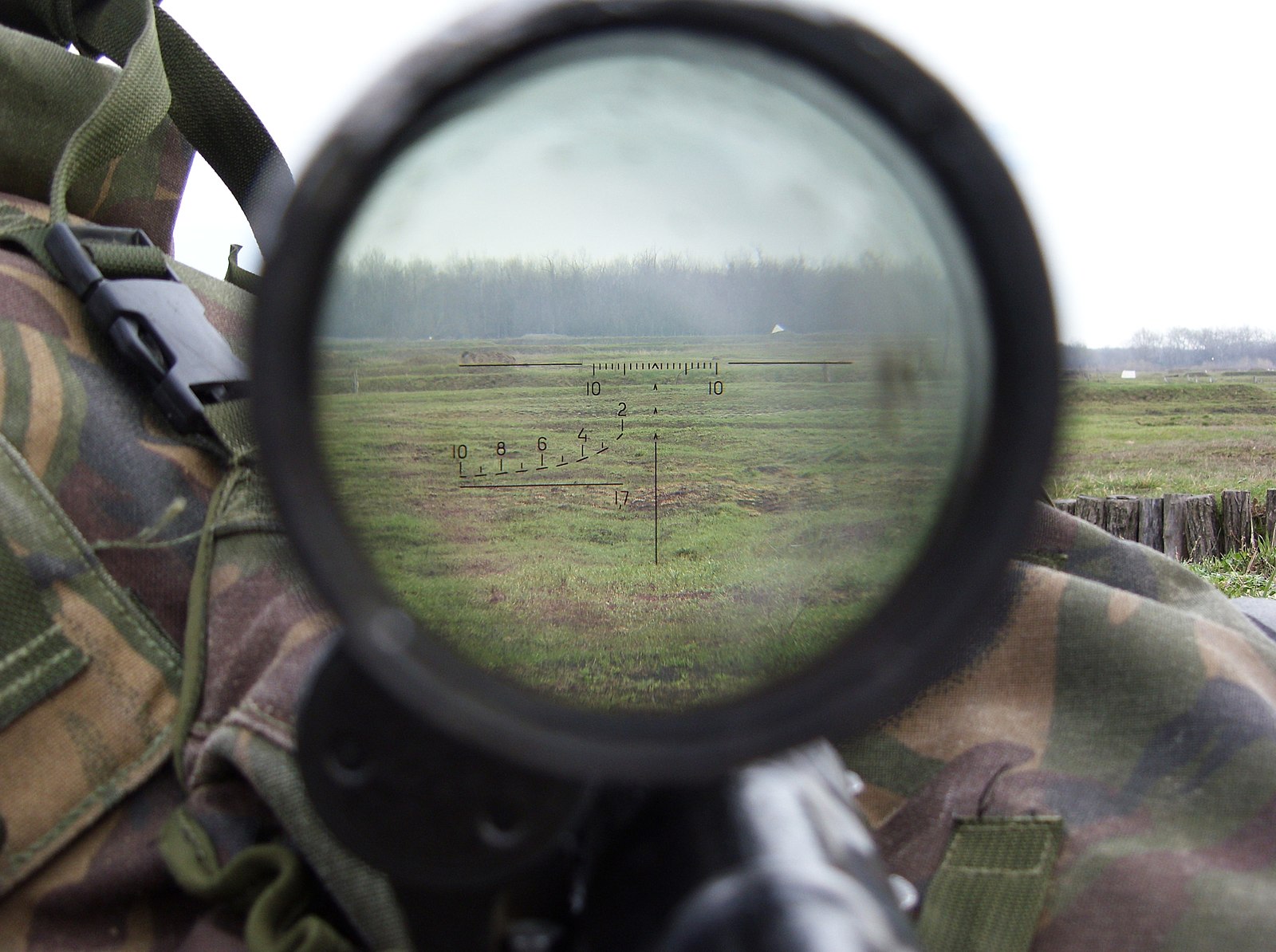
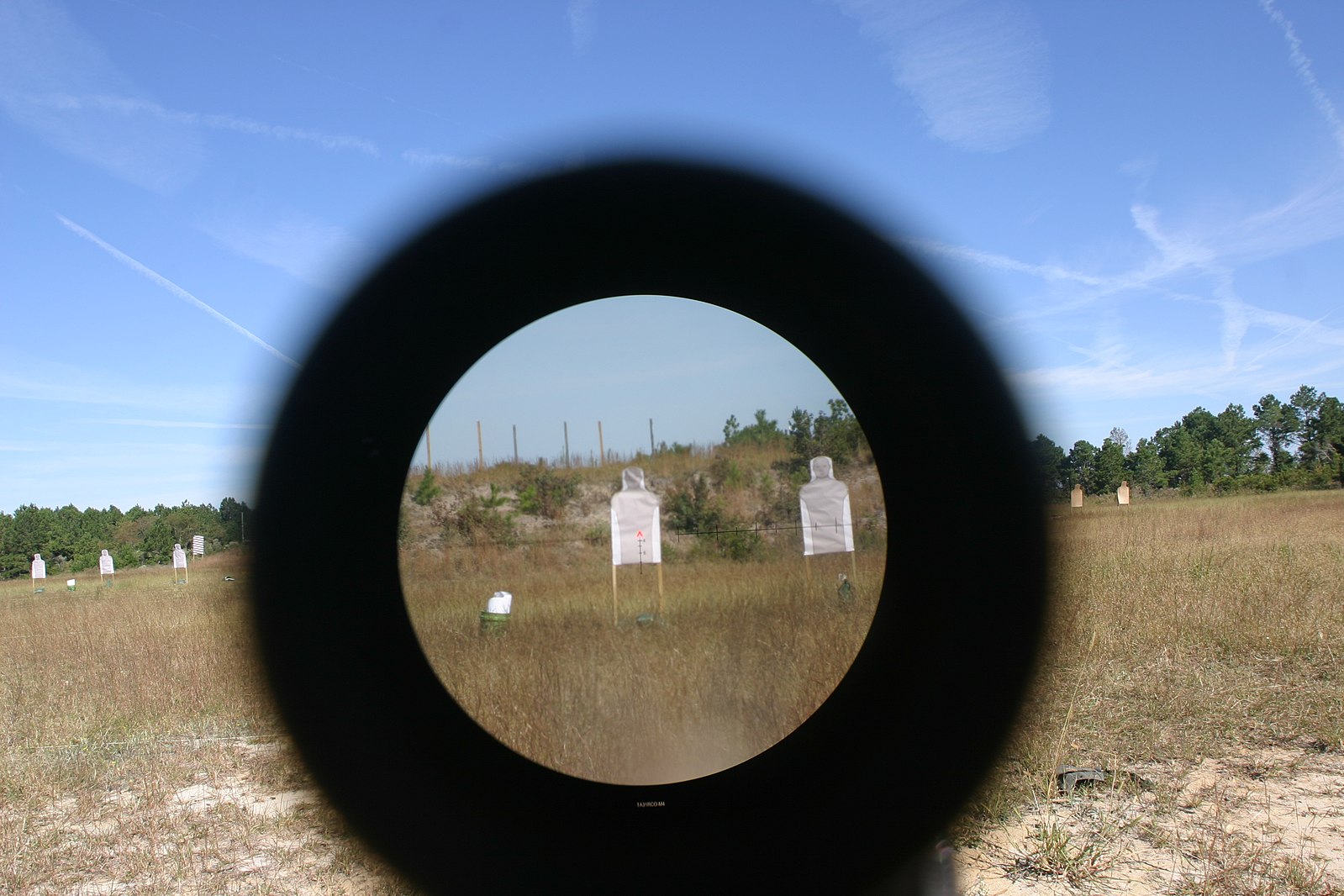
Troubleshooting

When you feel like you should be making your shots but the bullets never hit the target, it’s really frustrating. Here are some troubleshooting tips to consider:

scopes and sights troubleshooting

Bottom Line

In many ways, your rifle is only as good as the sights you use; especially if you’re shooting over distance. A great scope, meanwhile, can improve the accuracy of even an average rifle. Choosing the right weapon scopes and sights means knowing yourself, knowing your weapon, and knowing what your typical shooting conditions will be.

rifles with scopes attached lined up on the ground

Tactical Operations Command, Federal Police Department; Image from Attribution 2.0 Generic (CC BY 2.0) by André Gustavo Stumpf via Flickr

If you’re a beginner, however, remember that practice is the most important thing. Even the most expensive scope on the market can’t make up for a lack of skill; and in the end, having a weapon is no good if you don’t know how to use it effectively.

keep calm and carry on post it